Going vegan was a transformation I didn’t see coming.
I grew up in small-town Iowa, in the heart of farm country. I was aware of the farms around me – but had very little awareness of how my food was produced, or the realities of animal agriculture. Plus, I had personal issues that blocked me from looking more deeply…Issues like food addictions and comfort eating. I ate what was convenient, comforting, and tasty. And like many of us, I was confused by the conflicting messages about what was truly healthy.
So even though I was a psychotherapist, empowering clients to make healthy lifestyle changes, I knew little about the power of nutrition – and I myself wasn’t eating in a very healthy way. While I knew it would benefit me to eat more fruits and vegetables, most often I chose frozen microwave dinners, salty snacks, and chocolate bars. In addition, my Midwestern upbringing taught me that meat and dairy were absolute necessities. I had meat for most of my meals, and thought something was missing if it wasn’t there. I thought I needed it for energy, to have enough protein, and to balance out my sugar highs.
Then in late 2006, I had what I think of as my awakening. I saw a program on PBS about working conditions for employees in a meat processing plant, which got me thinking about how my food got to me. Even though the program did not show any gory details about “meat processing,” I felt empathy for the workers and the terrible conditions and injuries they endured. And very soon, this led me to think, “Well, if you don’t like how the workers are treated, what do you think happens to the animals?”
The very next day, I bought my first plant-based cookbook and cooked my first vegetarian recipe – a spinach, red pepper, and artichoke lasagna. It was delicious – and even though I hadn’t enjoyed cooking before, suddenly it became a fulfilling adventure. I discovered an array of beautiful, colorful, and flavorful plant-sourced ingredients – fruits, vegetables, legumes, whole grains, nuts, seeds, spices and herbs, and all kinds of flavorings and condiments.
I began reading everything I could about the ethical, health, nutritional, and environmental impacts of our food choices. These discoveries led me to go vegetarian within a couple of months of watching this PBS program. Once I understood (and emotionally connected with) the animal suffering and cruelty inherent in factory farming and industrialized slaughter, I just couldn’t eat meat anymore.
Over time, after further reading and watching videos, I came to see all the ways humans harm and exploit animals (e.g., the egg and dairy industries; leather, wool, and down; research and testing; entertainment). Something shifted in me. I broke through my disconnection and dissociation about the animal harm and exploitation in so many industries – and took a stand to do my best not to contribute to this. I made the decision to go vegan in early 2019, and when I did, so much opened up inside of me.
I felt a sense of freedom and lightness that surprised me. I found greater authenticity, a sense of meaning and purpose, and connections with like-hearted others across the globe. I went from being a very private introvert, to being much more willing to be out there in the world, starting a blog and doing public speaking about thriving with a vegan lifestyle.
Even though it was emotionally painful to connect with the suffering of animals – and the reality that many people seem unwilling to make changes that would lessen this suffering – I also felt freer and more empowered when I acknowledged what I must have known deep down. I hadn’t previously realized the weight I felt when eating animal products, but once I shifted to a plant-powered diet, I felt noticeably lighter and more peaceful.
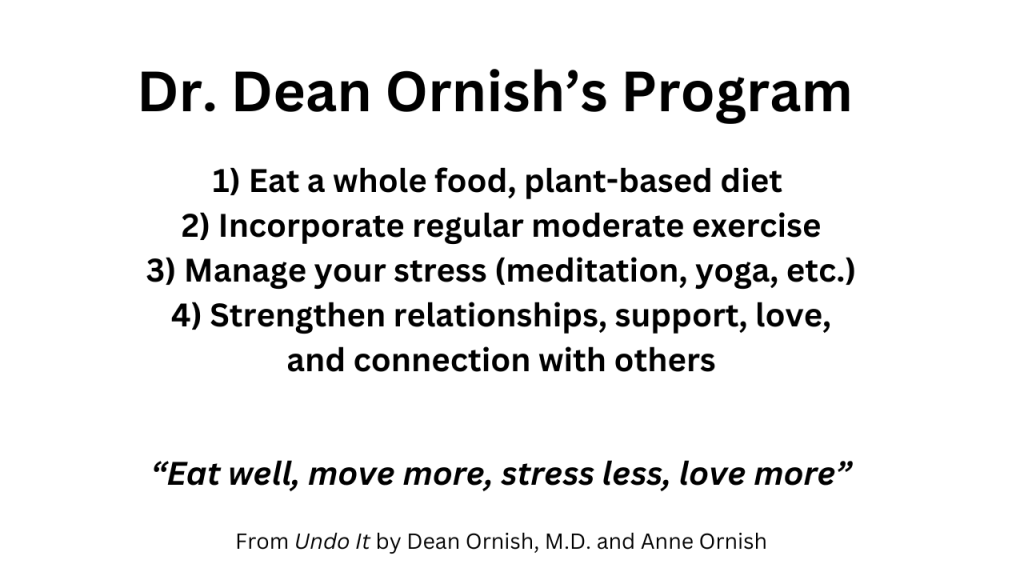
I also felt more empowerment over my personal health and well-being, as I learned about the benefits of a plant-based diet for preventing and reversing many common chronic diseases of our time. Learning about the research of Drs. Dean Ornish and Caldwell Esselstyn showing that a whole food, vegan diet can help to prevent and reverse heart disease was super-empowering, especially given my strong family history of cardiovascular issues.
And somewhat to my surprise, I found it much easier to make healthier food choices. As I ate high-nutrient plant foods on a regular basis (fruits, veggies, legumes, nuts, and whole grains), many of my cravings for addictive and less healthy foods seemed to fade. (I still love chocolate, but find myself satisfied with small qualities of high-quality dark chocolate rather than the large bags of milk chocolate candies that I ate years ago.)
I also discovered that there is a strong connection between what we eat and our emotional well-being. I dove into the research and learned that an anti-inflammatory, high-fiber plant food diet helps to boost our brain, nervous system, and gut health. (You can learn more about this in my recent podcast interview on Food and Mood).
It has been deeply fulfilling to realize how so many things I care about are interconnected. Choosing to honor my compassion by no longer eating animal products also turned out to be an act of compassion for my own well-being, for other humans, and for our planet.
My own transformation – and that of other vegans I met through networking groups – led me to research and write my recently released book, The Vegan Transformation: A Journey to Heal Yourself and the World. I had read a lot about the health benefits of a plant-based diet, and about the ethical reasons for going vegan. But I hadn’t seen much about the emotional and spiritual benefits of this lifestyle. What changes do we experience internally, psychologically, and spiritually when we honor our values and our compassion, and take this road less traveled?
I created an online survey in 2021, which was completed by about 350 vegans. I followed up with 75 in-depth interviews. From these surveys and interviews, I identified seven core transformative pillars: Values alignment; expanding compassion; meaning and purpose; authentic fulfillment; meaningful connections with others; health empowerment; and spiritual deepening. The book shares these pillars, along with stories from my interviewees that illustrate them. I also explain why these transformative themes matter – from the lens of positive psychology, health psychology, and lifestyle medicine.
Learning the stories of other vegans through these interviews and surveys was incredibly uplifting for me – because even though it can certainly be challenging to be vegan in a non-vegan world, it is also deeply fulfilling and healing for many of us. I was struck by how, for many vegans, sharing this lifestyle became central to their purpose and mission.
The year I became vegan, 2019, was dubbed “The Year of the Vegan.” It was an era of heightened interest in vegan and plant-based lifestyles. Right now (in late 2025), the forces of society do not feel so supportive for veganism, even compared to a couple of years ago when I was deep into writing the book. But I continue to hold on to the vision of a compassionate, healthy, vegan world – a world where we end exploitation and unnecessary harm to animals, where we recognize that all sentient beings matter, where we care for one another, ourselves, and our planet.
I invite you to imagine – what would this healthy, compassionate world look like and feel like for you? Take a moment to imagine a world where we are kind to one another and to all beings, where we are healthy in mind-body-spirit, and where we find creative and harmonious solutions to care for the world we live in. Consider how holding that vision daily might uplift you and energize you – even when you face discouraging times and it seems the world will never change. (Here is a link to my guided meditation of “Visioning a Compassionate Vegan World.”)
I truly believe that we are called to expand our circle of compassion – and to bring our unique selves and gifts to serve. We each have something to contribute. And often that starts with our everyday choices – the ones we may have once taken for granted. We come to see that with each meal, and with each conscious and intentional choice, we become – and inspire – the compassionate change we want to see in the world.
NOTE: This article is an adaptation of my presentation for The Vegan Transformation launch celebration. You can watch the presentation on YouTube here.
To learn more about the transformative themes, stories, and research shared in this article, check out my book, The Vegan Transformation, available in paperback, e-book, and audiobook at major booksellers.
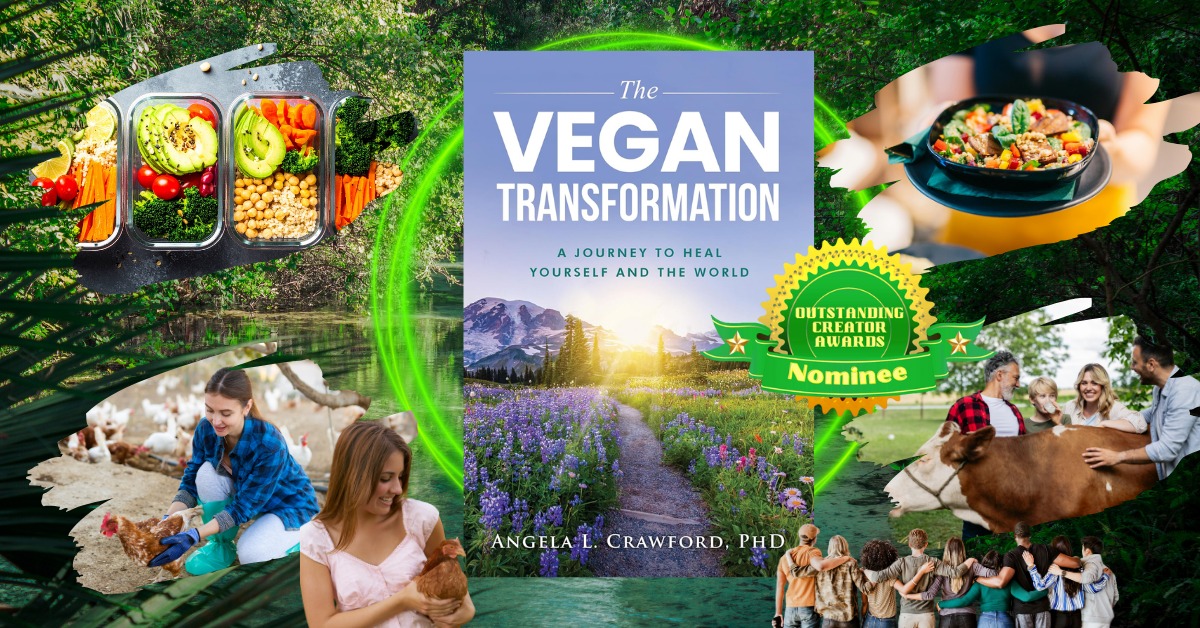
The graphic at the top of the page was created by Outstanding Creator Awards, who reviewed The Vegan Transformation and awarded it first place in several categories.
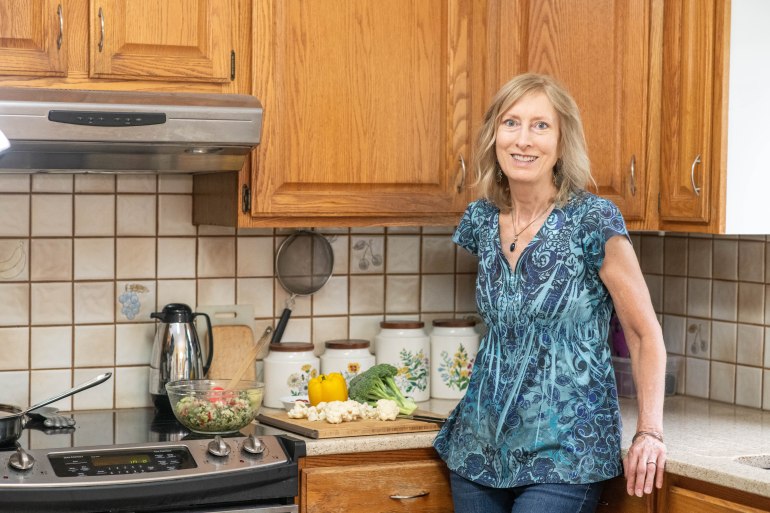
Angela Crawford, Ph.D. is a psychologist, vegan educator, and PCRM Food for Life instructor. She is author of The Vegan Transformation: A Journey to Heal Yourself and the World (Lantern, 2025). The Vegan Transformation is a winner of the Outstanding Creator Awards and Vegan Choice Award, and is available at major booksellers.


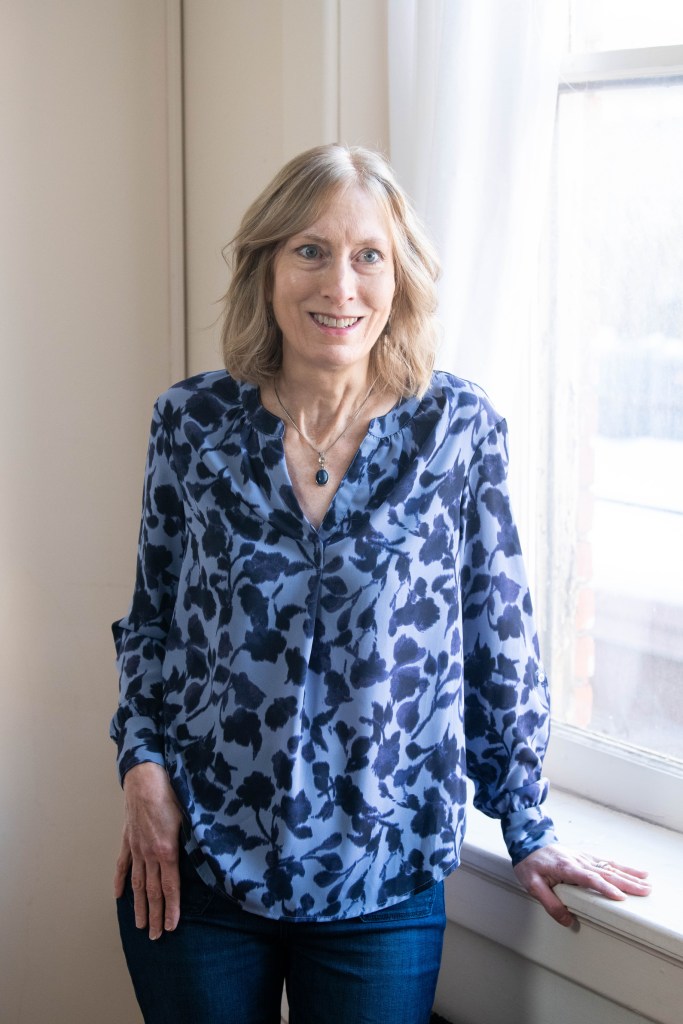
 Angela Crawford, Ph.D