

“Have you ever felt pulled to make some kind of life change, maybe even a change that surprised you? Maybe it was an inner knowing that it was time to start down a new career path, end a relationship, or finally take charge of your health. You may have felt an inner call, a sense that you needed to take action, even though you weren’t sure exactly how it would all work out. Or perhaps circumstances lined up so that you saw no other choice but to launch onto a new, unknown, and uncertain path. This call from the deepest parts of us often gives us the opportunity to become a truer version of ourselves. It can lead us down pathways that initially we are somewhat hesitant to take, but ultimately seem very right, even exhilarating.“
—Angela L. Crawford, Ph.D. (From The Vegan Transformation: A Journey to Heal Yourself and the World, 2025)
I’ve experienced an inner calling, drawing me to unforeseen paths, many times in my life. This led me to change majors from journalism to psychology midway through my junior year in college. It sent me to many unexpected places throughout my educational and career journey. This inner voice also guided me to uplevel my self-esteem, relationships, spirituality, financial choices, and many other areas of my life. However, perhaps one of the most surprisingly transformative experiences in my life was becoming vegan.
Like many of us, I’ve loved animals since a young age, and never wanted to harm them. However, my Midwestern upbringing taught me that meat and dairy were absolute necessities. I believed that I couldn’t survive, and certainly couldn’t thrive, without eating them. I had meat at most of my meals; I thought something was missing if it wasn’t there. I thought I needed it for energy, to have enough protein, and to balance out my sugar highs. I had met only a few vegetarians or vegans, and I couldn’t imagine what they ate, or how a meatless diet could possibly sustain them.
On top of that, life felt too overwhelming to take on any major dietary changes, anything that would require extra energy beyond eating what was tasty, familiar, and convenient. Although I’ve always valued a healthy lifestyle, for the first few decades of my life, I was not a healthy eater. I ate a lot of comfort foods, microwave meals, sweets, and salty snacks. I rarely came anywhere near the recommended five to nine daily servings of fruits and veggies. I couldn’t imagine taking on the effort of regular cooking and meal planning.
What opened my eyes and led me to eating more plants was when I learned how animal agriculture works. In December 2006, I happened to see a news program about workers in a meat processing plant. These workers, most of whom were immigrants, endured frequent occupational injuries due to the dangerous and repetitive nature of their work. They were coerced to not report their injuries but rather to continue working or face the threat of losing their jobs and income. The program didn’t show any gory details of “meat processing” – but something about this story really impacted me.
As I felt empathy for the workers, it struck me that if I didn’t like how they were treated, I would be appalled if I saw the actual slaughter process or what happened to the animals. For the first time in my life, I began to consider the systems that produced my food, and the injustices in these systems. At that time, I didn’t know about factory farming. I only saw the cows grazing in the fields; I didn’t know about the large-scale factory farms that raised, bred, and slaughtered billions of animals, since these were kept well out of sight.
The very next day after watching that program, I bought my first veg cookbook and tried out a recipe for roasted red pepper, spinach, and artichoke lasagna. Because I was such a novice at cooking, I had to drive to a shopping center midway through the recipe to purchase appropriate pots and pans. The lasagna turned out to be delicious, full of vibrant colors and sumptuous flavors. I shared it with my boyfriend (now husband) and his family, and it got rave reviews. Wow, who knew I could cook?
For the first time in my life, I found that I enjoyed cooking. I realized that I had never liked handling meat, and always worried about it being cooked enough to avoid illnesses like salmonella. Now I began exploring new plant-based recipes, going to the health food store, and buying spices and condiments I had never used before. Cooking ceased to be a chore, and instead became an enjoyable and meaning-filled adventure.
I went on to read every book I could find about vegetarianism. I read about plant-based nutrition, to make sure I was covering all my nutritional bases. I read about the ethical and environmental impacts of industrialized animal agriculture. I found myself captivated, and horrified, by what I was learning. Once I truly connected with the painful realities of how farmed animals are raised, the oppressive conditions they live in, and the suffering inherent in the slaughter process, I could no longer consume meat.
I quickly came to understand that despite what my upbringing and culture had taught me, I did not need animal flesh to thrive physically. In fact, as I discovered from impactful books like The China Study (T. Colin Campbell, Ph.D.), How Not to Die (Michael Greger, M.D.), and Undo It (Dean Ornish, M.D.), vast research shows that a plant-based lifestyle can prevent and reverse heart disease, Type 2 diabetes, autoimmune disease, and some forms of cancer. This really hit home for me, as I have a strong family history of heart disease. I discovered that my choice to stop eating meat was not only kinder to animals, it was also better for my own health.
Several years later, I decided to become vegan and eliminated dairy and eggs. I found that after releasing dairy from my life, my seasonal allergies – that I thought I would always have – just went away. Some skin conditions that I struggled with went away too. I discovered vibrant health and energy.
When I stopped eating animals and embraced the bounty of the plant kingdom, I experienced positive inner changes I hadn’t anticipated. Even though there were challenges along the way, once I committed, I felt a great inner peace. I felt exhilarated and awakened by this choice. I was free to be more authentically me. As I lived more aligned with my compassionate nature, I felt a weight lifted that I hadn’t realized I was there. Through having the courage to defy social norms around what I ate and purchased, I discovered the peace that came with aligning my behaviors with my spiritual and ethical values.
As I shared in one of my early blog articles, veganism helped me find my voice. As someone who identifies as an introvert, I lived a private and quiet life. Prior to becoming vegan, I didn’t have a website or social media, and I didn’t enjoy public speaking. I kept a low public profile. Becoming vegan has changed that. Within six months after I committed to a fully vegan lifestyle, I attended Main Street Vegan Academy in New York City and became a Certified Vegan Lifestyle Coach and Educator. Through this life-changing class, I learned more about all the reasons that being vegan aligns so well with my values. The more I learned, the more I became committed to sharing this transformative way of living with others.
Within a year I started a blog focused on psychology and veganism, writing on topics such as navigating social challenges as a vegan, thriving emotionally, and the benefits of veganism for mind, body, and spirit. I found myself engaged in public speaking, something I couldn’t have imagined previously. I took plant-based nutrition courses, and now teach others about plant-based cooking and nutrition. I met vegans from all over the world through various on-line groups. In honoring my core values and daring to speak about these values, I found a like-hearted tribe, along with greater confidence, peace, and fulfillment.
Along my journey, I’ve come to realize that becoming vegan is about much more than my own ethics and personal health, even though these are important. Even more so, it is about standing for a world of compassion, kindness, health, and sustainability. I now see how so many things I care about are interconnected, and that the daily choice of what we eat has the power to impact the well-being of animals, humans, and the very planet on which we reside.
While there are challenges in adopting any lifestyle change, and particularly being vegan in a not-yet-vegan world, I found that following this path has brought unexpected abundance, fulfillment, passion, and authenticity. I went on to research and write a book, The Vegan Transformation: A Journey to Heal Yourself and the World, due to be published in April 2025 (Lantern Publishing & Media). This book, based on extensive review of research, as well as surveys and interviews with vegans, reveals the mind-body-spirit transformation that is possible through a plant-powered lifestyle. It’s written to empower seekers who are curious about being plant-based, and those anywhere on the veg path, to live with greater health, well-being, fulfillment, and purpose.
To sum up with a quote from my forthcoming book: “Becoming vegan is not just a dietary choice, like the latest low-carb diet craze. . . It does involve changing what you eat, but it is so much more. It’s one of those rare life opportunities, where in changing something as basic as what you eat, you have the potential to not only optimize your own physical, emotional, and spiritual wellness, but also to contribute to healing many of the larger problems that face our world today” (Crawford, The Vegan Transformation: A Journey to Heal Yourself and the World, 2025).
To support your plant-powered journey, check out my Resource List for helpful books, cookbooks, websites, documentaries, and podcasts.
And for more information on the benefits of a vegan lifestyle for health, animals, and the planet, CLICK HERE.
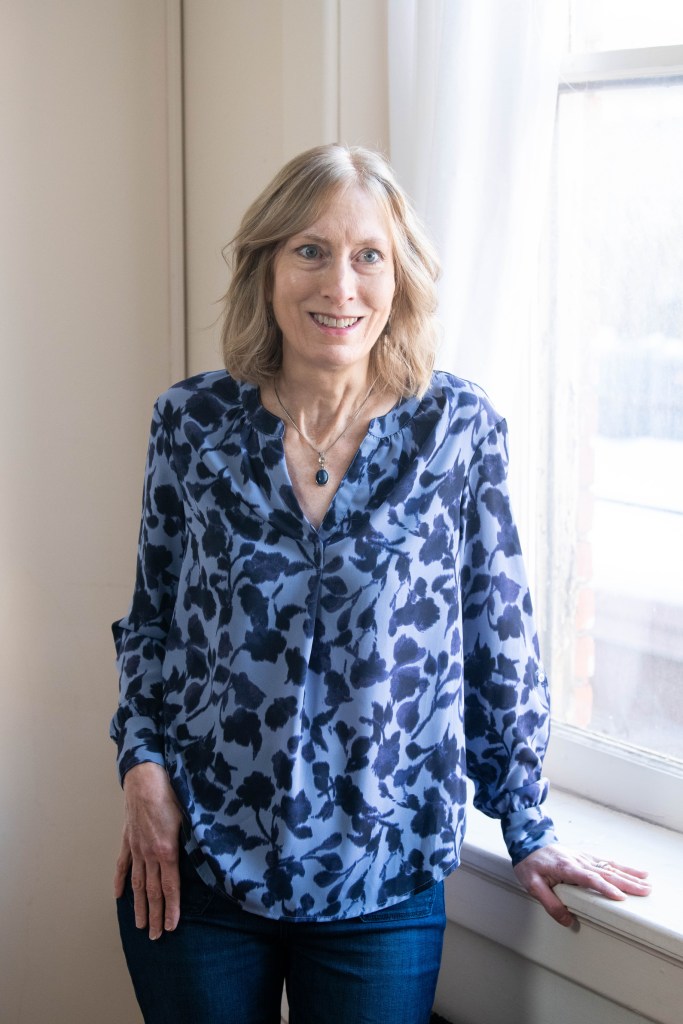
Angela Crawford, Ph.D. is a psychologist, vegan educator, transformational coach, and plant-based culinary instructor. She is author of The Vegan Transformation: A Journey to Heal Yourself and the World (Lantern, April 2025). She also hosts a YouTube channel, @The Vegan Transformation.


 Angela Crawford, Ph.D