
The Emotional and Spiritual Benefits of Going Vegan

Mountain view overlooking valley with blue sky and clouds. Photo taken from the top of Sandia Peak, New Mexico.

Mindfully choosing to eat plant-based, as an expression of care for animals, the environment, and our own health, creates a massive internal shift. As we eat more compassionately and leave animals off our plates, we may discover transformations in heart, mind, and spirit that we never expected. We encounter a sense of peace, fulfillment, and freedom that – for many of us – far outweighs any challenges of stepping into this way of living. 

As a psychologist and a vegan, I have been fascinated by the psychological changes experienced by those who take the vegan path. While there has been considerable research on the health benefits of a plant-based lifestyle, I found less exploration of how living vegan can impact us emotionally and psychologically. This led to research for my book, The Vegan Transformation: A Journey to Heal Yourself and the World (Lantern Publishing & Media, 2025), surveying and interviewing vegans about the emotional and spiritual impacts of their lifestyle. After collating the most common experiences, seven transformative pillars emerged.

These pillars are foundational aspects of a flourishing life. While there are no guarantees that being vegan will bring these qualities into your life, they capture an experience that is common for many vegans. This is the possibility of creating a meaningful and fulfilling life that also contributes to a kinder, healthier world. Below I describe the seven transformative pillars.

Values alignment

Tangibly honoring our values through our food choices and other purchases can be one of the most fulfilling and freeing aspects of being vegan. As we clarify our core values and make daily choices in accord with these values, we feel truer to ourselves and more at peace. We discover the courage to honor our conscience and course-correct when our actions are out of alignment. We dare to be different, guided by the ethics of kindness and nonviolence.

Cultivating compassion

In choosing veganism, we widen our circle of compassion. Rather than compartmentalizing our empathy to select groups, we become willing to witness and, whenever possible, alleviate the suffering of sentient beings. As we extend our compassion to all beings, we make choices that bring kindness, wholeness, and freedom for ourselves and others. We discover the courage and tenacity to go against the status quo – and take a stand that all sentient beings deserve a life that is free from unnecessary suffering.

Deeper meaning and purpose

Becoming vegan can fuel our sense of purpose, as we realize we have the power to create positive change and lessen suffering. Many of us are drawn to bring our unique gifts and skills to raise awareness about the impacts of our food choices. It doesn’t matter whether we serve on a smaller scale in our family or community, or on a larger, global scale. We each have a meaningful purpose to fulfill.

Authentic fulfillment

Many vegans discover authentic fulfillment, even as we awaken to realities that are quite distressing. This fulfillment doesn’t mean “feeling good” all the time, but rather, learning to navigate our full spectrum of emotions and finding peace in doing what we can. We nurture our holistic well-being when we eat whole plant foods and incorporate nourishing activities and lifestyle practices.

True connection

When we embrace a vegan lifestyle, we discover a like-hearted tribe of other vegans who share our convictions. We may make these connections through online networks, social media groups, or local meetups. These meaningful connections nourish and strengthen us. As we take this road less traveled, we also learn to peacefully navigate relationships with others not yet on this path.

Health empowerment

Many vegans discover the powerful healing benefits of a plant-based lifestyle for addressing degenerative diseases. This discovery brings something beyond physical healing; it brings empowerment, the realization that we have more control over our well-being than we ever knew. Even though we all face the inevitability of aging and death, and perhaps some ailments along the way, empowerment is about taking action where we can and living as vibrantly as possible.

Discovering our interconnectedness

Once we are no longer eating animals, new awareness can emerge. Many vegans report a deepening spirituality, increased awe of the natural world, and a greater sense of our interconnection with all of nature. We realize that we are connected in ways that we can’t quite define and that bring a sense of wonder, mystery, and magic to our lives. Gradually, we see that caring for each part of this intricate system serves our own well-being and the greatest good.

These seven pillars are supported by psychological research as keys to a life that is rich and meaningful. When we bring these pillars together with a vegan lifestyle, their synergistic power can be transformative. As we eat more compassionately and sustainably, we embrace a vision where all beings can flourish, and discover that making the kind choice also nourishes us.

This article was published on the Main Street Vegan blog on 4/22/25. The information shared is adapted from my book, The Vegan Transformation: A Journey to Heal Yourself and the World (Lantern, 2025).

For information on moving toward (and thriving with) a plant-powered, vegan lifestyle, check out my Resource List.

Angela Crawford, Ph.D. is a psychologist and author of The Vegan Transformation: A Journey to Heal Yourself and the World (Lantern Publishing & Media, 2025), which was launched on April 22, 2025, Earth Day. 

Dr. Crawford is certified as a MSVA Master Vegan Lifestyle Coach and Educator, licensed PCRM Food for Life instructor, and Transformational Coach. A speaker and teacher about the psychological benefits of veganism, she is passionate about the power of personal transformation to create a more fulfilling and purposeful life, and a kinder, healthier world.

people holding and cutting vegetables

Support on Your Vegan Path

Photo by Maarten van den Heuvel on Pexels.com

One of the most important – but often overlooked – aspects of thriving with a plant-powered, vegan lifestyle is having a strong support network. Research suggests that social challenges are among the most common reasons for straying from a plant-based lifestyle. Many find it hard to eat differently than those in their social circle, to be the “odd one out.” Having a social network with other vegans appears to strengthen our commitment and adherence. It also brings joy and fulfillment, as we connect with like-hearted others. Supportive social relationships have been hugely important on my journey, as well as for many of the vegans I interviewed for my recently released book, The Vegan Transformation: A Journey to Heal Yourself and the World (Lantern, 2025).

To experience the transformation that is possible with a vegan lifestyle, we can’t do it alone. We need others we can talk to, and share our hopes, dreams, and challenges. These supportive relationships inspire and uplift us. They give us hope and strengthen our commitment during challenging times. They empower and encourage us. In many cases, they collaborate toward a shared vision, whether to be more healthy, awaken spiritually, advocate for animals, or heal our planet.

Learning to build supportive connections with other vegans, as well as with non-vegan friends and family, is important for thriving with your plant-powered lifestyle. Below are five tips for building greater social fulfillment and connection: 

  1. Join vegan networks or groups. Whether online or in person, it’s important to create vegan friendships where you feel supported, nurtured, and inspired. This may include online meetings, plant-based conferences, local meet-ups, or volunteering for a vegan or animal rights organization.These networks provide a safe space to share feelings and receive support. It isn’t the size of network that is most important; even a few vegan friends can make a huge difference. You can find these networks through searching online, on social media, or connecting with a local plant-based Building Healthy Communities group.
  2. Be okay with being different. This is a big one—because eating plant-based is still a minority lifestyle, and for many of us, it isn’t easy to go against the status quo. We are biologically wired to want to fit in and avoid social rejection. Some people are more naturally rebellious and may not find this as difficult, but for many, it can be a major struggle. Thriving vegans discover how to shift their mindset around the idea of being “different.” It’s important to connect with a strong WHY for your choice to be vegan. What motivated you to choose a vegan lifestyle? Staying connected with these motivations strengthens you to hold your beliefs in the face of social pressures. This will empower you to speak up and honor your values with courage and integrity.
  3. Learn to speak up assertively and effectively. Thriving vegans develop the ability to express their feelings, needs, and perspectives in ways that create heart-felt dialogue. Unfortunately, many of us lack the ability to skillfully navigate differences, and this leads to unresolved conflicts and emotional cut-offs. Many of us fall into extremes of being too passive (people-pleasing and avoiding conflict) – or too aggressive (speaking out in angry or hostile ways), rather than being assertive (speaking up clearly, directly, and respectfully). Thriving vegans work to develop healthy communication skills. These skills empower you to set boundaries around which situations you are willing (or not willing) to be part of and explore new ways to connect with those you love, including replacing old traditions that center around animal foods. (See my Resource List for books and resources on improving communication).
  4. Create vegan allies. Even when your loved ones are not willing to go plant-based along with you, you can request their support for your journey. In her book Beyond Beliefs, Dr. Melanie Joy emphasizes the value of cultivating vegan “allies” who understand and support your vegan choice. These are people who, although not necessarily vegan themselves, do not undermine your choice to be vegan, and advocate for you when you need support. This is important because you are more likely to thrive on your journey when others are supportive and understand why a vegan lifestyle matters to you. Asking someone to be an ally lessens the likelihood they will try to sabotage your lifestyle – and invites them to be more receptive to learn about veganism, because they are not feeling personally pressured or judged.
  5. Planting seeds for positive change. Focus on being a positive role model who embodies the compassion and well-being you wish to inspire in others. Rather than staying stuck in frustration when others are not willing to change, realize that everyone has their own journey. Pressuring or criticizing others rarely works to create personal or social transformation. At the same time, you can plant seeds that will help others, never knowing when those seeds may take root. As you embody a healthy, fulfilling, plant-powered lifestyle, you never know who you may inspire, and what transformations may unfold.

Developing meaningful connections is one of the joys that can come with discovering your passion for vegan living, and sharing this with others. Our connections strengthen us, bring fulfillment, and inspire us to be better versions of ourselves. Strengthening our skills for healthy relating, navigating differences, and nurturing support helps to create a healthy and fulfilling life, and a thriving, joyful vegan lifestyle.

NOTE: Excerpt adapted from The Vegan Transformation: A Journey to Heal Yourself and the World by Angela Crawford, Ph.D. Parts of this article were also shared with Vedge Your Best podcast and newsletter. CLICK HERE to listen to my interview on Vedge Your Best podcast.

Angela Crawford, Ph.D. is a psychologist, vegan educator, transformational coach, and Food for Life instructor. She is author of The Vegan Transformation: A Journey to Heal Yourself and the World (Lantern, April 2025). She also hosts a YouTube channel, @The Vegan Transformation.

Hands forming heart shape with sunset in the background

Plant-Empowered Lifestyle for Heart Health

Hands forming heart shape with sunset in the background
mayur-gala-2podhmrvlik-unsplash

Chronic illness takes a huge toll. I have witnessed its impact on the lives of many of my clients, my parents, and numerous friends and family. For those afflicted with a chronic medical condition, it often takes a toll on their very quality of life—impacting everything from daily activities, to work, to relationships, to finances, to independence and autonomy.

Chronic medical conditions also create a huge societal toll. In the US, we are facing a large-scale health crisis. It affects our country’s economic well-being, as we spend huge amounts on medical care. In fact, the US spends more per capita on health care than any other nation, double that of other industrialized nations. Despite our higher health care spending, Americans have lower life expectancy than other high-income nations.

Cardiovascular disease, in particular, has become epidemic in the US. Over 75 percent of people between ages sixty to seventy-nine, and 90 percent of those over age eighty, are afflicted with some form of cardiovascular disease, according to the American Heart Association (see article by AARP). And research suggests that heart disease often starts when we are young, long before we see any signs of its progression.

Early in my career as a psychologist, I learned about the power of mindset, stress management, exercise, and other lifestyle factors for influencing health, but I had little understanding of the role of nutrition. When I first learned about research by pioneers such as Drs. Neal Barnard, T. Colin Campbell, Dean Ornish, and Caldwell Esselstyn, showing the healing power of a plant-based diet to prevent and reverse many common lifestyle diseases, I was blown away. (See my Plant-Powered Resource page for a list of books and resources that share this research).

Since I have a strong family history of heart disease, I was especially impacted by learning that Drs. Ornish and Esselstyn have shown that even severe coronary heart disease can be reversed (and prevented) through a low fat, plant-based diet. Learning that we aren’t solely at the mercy of genes, circumstances, or the medical system, and that we can take charge of our own health, was eye-opening and empowering.

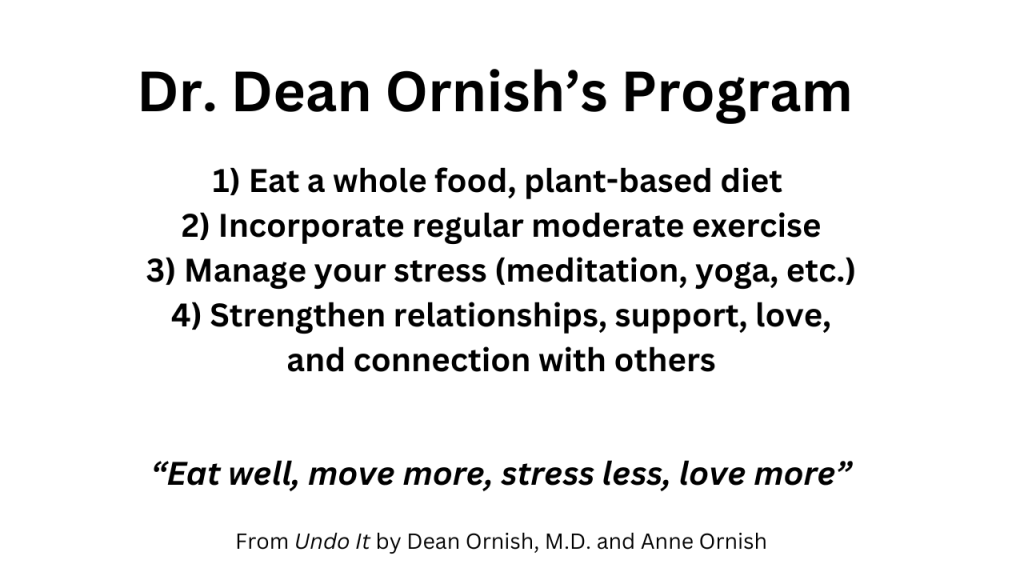
Dr. Dean Ornish has conducted revolutionary research, since the 1980’s, showing that a healthy lifestyle, centered around a plant-based diet, stress management, exercise, and social support, can reverse coronary artery disease, even among those with advanced cases. In addition to improvements in his patients’ physical symptoms, functioning, and well-being, scans of their blood vessels showed reduced blockage and improved blood flow. (For more about Dr. Ornish’s programs and research, read his book, UnDo It, or check out his website).

Similarly, Dr. Caldwell Esselstyn, Jr. conducted research examining the effects of a whole food, plant-based diet for patients with severe coronary artery disease. He found that patients who followed a low fat, plant-based diet showed significant reductions in total cholesterol, LDL cholesterol, coronary events and symptoms, and also evidenced reductions in blockages in their arteries. These improvements enabled his patients to return to previously enjoyed activities and regain their quality of life. (See Prevent and Reverse Heart Disease by Dr. Esselstyn to learn more.)

After my father went through cardiac bypass surgery, I sent him a copy of Dr. Dean Ornish’s cookbook. I don’t think he ever tried the recipes, or significantly changed his diet, although he seemed to appreciate my intentions. (And unfortunately, I lived too far away to share healthy plant-based meals with him on a regular basis). His cardiovascular disease progressed, leading to additional procedures and surgeries. It was heartbreaking to see the impact of these health issues on his life, activities, and independence. My grief was compounded by both parents passing at a younger age than I anticipated due to lifestyle related diseases. Even though I was an adult when I lost them, I felt very much like an orphan after their deaths.

I believe that the loss of my parents played a role in my own desire to be as proactive as possible with my own health, so that I can remain independent, vibrant, and healthy for as long as possible. I have come to realize that we have significantly more personal power over our health than many of us have been told. Rather than clogging our arteries with the Standard American Diet (SAD diet), we can make healthy dietary choices that improve our well-being and decrease our risk for degenerative, lifestyle diseases.

One of the stories I share in my forthcoming book (The Vegan Transformation: A Journey to Heal Yourself and the World) is that of Dr. Akil Taher, a physician, author, and motivational speaker. Dr. Taher began experiencing chest pain in his fifties. Medical testing revealed severe coronary artery blockages, which were addressed by placing stents. Six years later, when the arteries had become narrowed again, he underwent cardiac bypass surgery at age 61. This pivotal experience ultimately led him to adopt a whole-food, plant-based diet. Dr. Taher’s book, Open Heart, chronicles his journey from “couch potato” to running marathons and mountain climbing. His example highlights the profound impact of plant-based diet, mental and emotional resilience, spiritual growth, and finding life’s purpose. He now educates people on preventing and addressing the causes of chronic diseases, rather than treating the consequences of disease after it has happened. (See Dr. Taher’s website to learn more).

It’s empowering to realize that we have more personal power over our health than we have been taught. While we can’t necessarily avoid all illness, we can become informed and make lifestyle choices that support our health. Since learning these connections, it has been part of my mission to empower myself and others toward better physical, emotional, and spiritual health, through the power of a plant-powered, vegan lifestyle.

This passion is one of the reasons I became a licensed PCRM Food for Life instructor and now offer classes on plant-based cooking and nutrition for my online and local communities. Food for Life (FFL) classes promote healthful eating based on the latest scientific research, to help participants reduce their risk for diet-related diseases such as heart disease, diabetes, and cancer. FFL is offered through Physicians Committee for Responsible Medicine (PCRM), a national nonprofit organization that promotes preventive medicine, particularly good nutrition.

Many of us have never learned the power of plant-based nutrition and other healthy lifestyle changes to improve our health and well-being. Once we learn the WHY and the HOW of a healthy, plant-based lifestyle, it can transform our health and our life.

Our health and well-being are among our greatest resources. When we include ourselves in our circle of care, this in turn can empower us to extend our compassion and care to others. Whatever our reasons for moving toward a plant-based lifestyle (whether for personal well-being, animal compassion, and/or the health of our planet), the healthier we are, the greater impact we can have on ALL the things that matter most to us.

NOTE: Segments of this article are adapted from The Vegan Transformation: A Journey to Heal Yourself and the World.

Disclaimer: The information provided in this article and on my website are not intended to be a substitute for professional medical advice, diagnosis, or treatment. Always seek the advice of a qualified health professional with any questions you may have regarding a medical condition. In addition, if you are taking medications for a health condition, it is important to discuss any dietary changes with your physician, as changes in diet may impact the amount of medication needed.

Angela Crawford, Ph.D. is a psychologist, vegan educator, transformational coach, and plant-based culinary instructor. She is author of The Vegan Transformation: A Journey to Heal Yourself and the World (Lantern, April 2025). She also hosts a YouTube channel, @The Vegan Transformation.

Plant-Powered Journaling: Unleash Your Healthiest, Most Authentic Self

Colorful bowls of vegetables and dips
Photo by BULBFISH on Pexels.com

One of the most transformative experiences of my life was becoming vegan. I started on this path after seeing a program about injured workers in a meat processing plant. This raised my awareness of the devastating impacts of factory farming – on animals, humans, and the planet – and led me to read every book I could about veg living. Over time, I discovered the health, ethical, and environmental benefits of leaving animals off my plate and choosing plants instead. I expanded my food palette with delectable plant-based meals. On my vegan journey, I found a sense of peace in aligning with my deepest values, along with improved health, fulfillment, purpose, and mind-body-spirit well-being.

At the same time, this journey was not without its challenges. Early on my vegan path, I struggled emotionally with all that I was learning about the violence and suffering inherent in industrialized animal agriculture. I was in shock about what I discovered – and disillusioned that others around me couldn’t see what was now so obvious to me. I also felt out of place in social situations where animal foods dominated the menu. At moments, I found myself tempted to slip back into what was familiar and socially accepted, just because it seemed easier – even though I was totally committed to veganism.

Turning to my journal was a healing salve and guiding light that saw me through these initial struggles. I wrote about my feelings, challenges, discoveries, and insights, and explored new ways to handle social situations, while honoring my vegan values. Writing in my journal not only kept me sane, it also reminded me of my WHY for change when my commitment faltered. It showed me which approaches and patterns were working or not working for me, and it guided me to new, creative solutions.

I’ve found journaling to be incredibly helpful throughout my life – through all kinds of changes, transitions, losses, and accomplishments. It is such a powerful way to connect with yourself, live more authentically, gain clarity, accomplish goals, heal from emotional trauma, and overcome challenges. Not only have I found journaling personally beneficial, I’ve frequently recommended it to students and clients. I also incorporated journaling prompts in my forthcoming book about the transformative power of a vegan lifestyle.

Because journaling is so accessible, and yet so transforming and healing, I wanted to share some writing tools to support YOU on your plant-powered journey. These can be helpful wherever you are on this path – whether in the process of transitioning to a plant-strong lifestyle or already vegan and wanting tools to thrive in mind, body, and spirit. I’ll also share a link to my FREE Plant-Powered Journaling Guide that you can download.

What is journaling?

Journaling is a process of writing out our feelings, thoughts, experiences, concerns, questions, and insights. Regular journaling has been shown by research to improve emotional and physical health. There are many different approaches to journaling, which I will discuss further below. But first, let’s review some of the benefits demonstrated through research studies.

Benefits of journaling:

  • Decreased anxiety, depression, and stress
  • Improved emotional well-being
  • Decreased ruminative thoughts
  • Decreased PTSD symptoms
  • Improved physical health
  • Decreased doctor visits
  • Decreased blood pressure
  • Improved immune functioning
  • Decreased work absenteeism
  • Improved coping with stress

How does journaling help?

While the research is not 100% clear on this, some possible mechanisms include:

  • Release of emotions
  • Facilitates mental and emotional processing, helping to make sense of significant events
  • Reorganizes inner narratives to create more adaptive beliefs
  • Gives space from negative thoughts
  • Helps gain clarity about next steps to take
  • Self-awareness and self-discovery

What are some of the different types of journaling?

Tracking Progress. If you are seeking to change eating patterns, nutritional intake, physical activity, or health, it can be invaluable to track relevant behaviors and outcomes for a period of time – for 1 week, 4 weeks, 8 weeks, or longer. This gives incredible insight into your current eating and lifestyle patterns, and how changes in diet, exercise, or other lifestyle practices impact your physical and emotional well-being. You may discover that certain foods or activities negatively impact your symptoms, or you may uncover sabotaging patterns you had not previously recognized. You’ll also see which lifestyle changes create positive change. Health and fitness apps such as Fitbit, Apple Health, and Google Fit can be helpful tracking resources, or you can simply keep a written log.

Expressive Writing – There has been considerable research showing that expressive writing can improve physical and emotional health. This type of journaling typically involves writing for 15 to 20 minutes about an emotionally significant, stressful, or traumatic experience for a few days in a row. While writing, express your feelings and thoughts; how this experience affects your relationships and other aspects of your life; insights and learning; and what you would like to see happen. Notice how you feel afterward. You may feel temporary distress as you express your feelings. However, most people report relief and clarity after writing, particularly over time. To learn more about expressive writing, check out the book Opening Up by Writing it Down by James W. Pennebaker, Ph.D. and Joshua M. Smyth, Ph.D.

Morning Pages – This is an approach developed by Julia Cameron, author of The Artist’s Way: A Spiritual Path to Higher Creativity. Cameron recommends writing three pages each morning, preferably stream-of-consciousness, hand-written, and not to be edited or critiqued. Being consistent with Morning Pages opens up creativity, increases connection with the Self, and improves emotional well-being. Several of my friends and colleagues swear by this process for gaining greater insight, creativity, and self-awareness.

Deep Soul Writing – Created by Janet Conner, author of Writing Down Your Soul: How to Activate and Listen to the Extraordinary Voice Within. Deep Soul Writing was recommended to me by a coach when I was going through a major life transition, and has become my go-to journaling approach ever since. In this approach, you write journal entries to your Higher Power or your Higher Self – expressing your thoughts and feelings, asking questions about issues that trouble you, seeking guidance, and writing down the insights and responses you receive. An important aspect is intentionality – setting the intention to connect with the Divine, your Soul, or Higher Wisdom through your writing. This form of journaling can be a guiding light through turbulent times.

Guided Journaling – This involves responding to prompts asking about your feelings, thoughts, perspectives, concerns, and desires. You can find guided journals on a variety of topics. Below, I share my FREE journaling guide with reflection prompts to support your plant-powered journey.

How does journaling help with thriving on the plant-based journey?

Journaling can be a life-changing tool that helps to identify and release feelings, reach greater self-awareness, get through tough times, and gain new insights. Here are some of the ways it can help on the path to a plant-powered lifestyle:

  • Track and celebrate progress toward your goals
  • Recognize obstacles, and explore how to get back on track if you have a setback
  • Express and process the range of feelings that come up along your vegan journey
  • Write about emotional and social challenges, how you handled them, and what you might do differently in the future
  • Write about your discoveries and all the positives that come with your new lifestyle
  • Document your change journey – this helps to connect with your resilience and commitment
  • Seek guidance from your Inner Wisdom for challenges or questions you are wrestling with
  • Get more in touch with your truest, most authentic Self

Are you ready to try the power of journaling to support your veg journey? If so, I invite you to check out my FREE Plant-Powered Journaling Guide. It offers information about the benefits of journaling, types of journaling you can try, and reflective writing prompts to get you started.

May your plant-powered journey bring you authentic fulfillment. And may you be fueled by the power of journaling to unleash your healthiest and most authentic Self.

Angela Crawford, Ph.D. is a psychologist, author, and vegan educator. She is passionate about the benefits of plant-powered living for physical and emotional well-being, compassion for all sentient beings, and caring for the planet. She recently researched and wrote a book on the transformative impact of a vegan lifestyle for mind, body, and spirit due to be published in 2025.

Enjoying Vegan Summer Cuisine

Sliced tomatoes, avocado, and corn on plate
Photo by BULBFISH on Pexels.com

One of the joys of getting my Vegan Transformation book ready for publication is trying out the recipes that my interviewees submitted – wonderful meals like Black Bean and Sweet Potato Burgers, Couscous Summer Salad, Not Tuna Salad, Sweet Potato Enchiladas, Cauliflower Tabouleh, Basil and Celery Leaf Pesto, Peanut Butter Chocolate Chip Cookies and many more – all so delish.

When I started researching and writing my book about the mind-body-spirit transformation of a vegan lifestyle, I was told by my friends that it absolutely needed to include some plant-based recipes – and I could see their point.

Part of the challenge in considering a plant-based lifestyle – at least initially – is figuring out what to eat. Since so many of our family and social traditions center on animal foods, it can be difficult at first to see another way.

I know that was the case for me before becoming plant-based. My past eating patterns weren’t particularly healthy, and I usually chose what was convenient and comforting. I couldn’t imagine what someone would eat on a plant-based diet. It was only after I enjoyed appetizing vegan cuisine at a conference that I became open to the possibility. Then a few months later, when I saw a program that awakened me to factory farming, I became determined to learn HOW to move to a plant-based lifestyle.

It took me some time to learn the ins and outs of plant-based nutrition and cooking – but it was an adventure that I enjoyed. Eating from the bounty of the plant kingdom has brought me greater health, fulfillment, and peace of mind. It has opened me to many wonderful foods I had never previously considered. It has transformed me from someone who didn’t enjoy cooking to someone who now looks forward to creating delicious plant-based meals that I can share with loved ones.

Rather than being restrictive or depriving, becoming vegan has expanded my food palette. Many of the vegans that I have interviewed in my book research also described greater fulfillment and abundance with their vegan lifestyle.

We can especially enjoy this abundance in summer – with fresh fruits and vegetables from the garden, farmer’s market, or produce stand. And we don’t have to give up grilling – there are so many awesome plant options to enjoy on the grill. Not only are there delicious varieties of veggie burgers and hotdogs, you can be creative and try grilled cauliflower, veggie fritters, peppers and onions, portobello mushrooms, eggplant, squash, sweet corn, veggie and tofu kebobs, even pizza. There are also a variety of wonderful salads, chilled soups, and side dishes.

Early on my veg journey, I felt like the odd one out at social events. However, now, plant-based eating seems to be more accepted – and even intriguing – to many people. Recently, when my husband and I hosted a cookout, I was moved that all our guests, even though not vegan, were happy to bring vegan salads and grill foods to the gathering. It was a wonderful experience – and the meal was delicious: Grilled portobello mushrooms, black bean burgers, tabouleh, chickpea and pasta salads, even vegan chocolate cake.

As we enter the Summer Solstice in the Northern Hemisphere, I invite you to explore and enjoy the bounty of summer. To get your creative juices flowing, here is a wonderful article about vegan grilling options: https://grillio.com/blog/vegan…, (shared with me by Ellie and Heather, visitors to my website). You can also find a few summer recipes on my Plant-Powered Recipes resource page, including Beet Burgers, Black Bean/Sweet Potato Burgers, White Bean Gazpacho, and Couscous Confetti Salad.

May you enjoy meaningful connection and delicious food at your summer gatherings. And may your veg eating inspire others toward healthful, compassionate, and sustainable food choices.

Angela Crawford, Ph.D. is a psychologist, author, and vegan lifestyle educator. She is passionate about the power of a plant-powered, vegan lifestyle for human health; emotional well-being; compassion for all sentient beings; and caring for our planet. She recently researched and wrote a book on the transformative impact of a vegan lifestyle for mind, body, and spirit, due to be published in 2025.

For a list of helpful books and websites to support your plant-based journey, check out the Plant-Powered Living Resource Page.

The Healing Power of Vegan Values

Trees in forest, with sunlight streaming through
Photo by Jacek Smoter on Unsplash

Like many of us, I have always loved animals.  As a child, I adored my pet cat, and I had a family of stuffed dogs that I took with me everywhere.  I also didn’t like to see any animal (or insect) suffering – I remember once rescuing a grasshopper that was floating in the lake where I was swimming.  I let it jump onto my raft and brought it back to shore.

Even though I loved animals, I was raised to believe that meat and dairy were necessary for my health and well-being.  I enjoyed the meals my mother cooked, which generally involved some sort of meat, potatoes, and vegetables in a cheese or butter sauce.

I had little awareness of the animals who were bred, raised, and killed to be part of my daily meals.  Growing up in Midwestern farm country, I only saw the cows grazing in the fields.  I never saw the concentrated animal feeding operations (CAFOs) – aka factory farms – that were kept out of sight.

In fact, I rarely thought about the fact that meat comes from animals.  If this thought did cross my mind, it was fleeting.  I did not see any other option.  I had no idea what to eat if I stopped consuming meat or dairy.  I was not the healthiest eater – often choosing what was convenient, easy, and comforting – fast food, microwave meals, chips, and sweets.

It wasn’t until I was 40 that I had my awakening. I saw a program about meat processing plants that shifted my awareness of the whole animal agriculture process – and I realized I did not want to participate in this anymore.

It was freeing – an epiphany that allowed me to live by values that I had long held.  I was able to embrace my compassion.  I no longer had to turn away from the truth about animal suffering – so that I could have a hamburger or fried chicken.

And far from being depriving as I had feared, a whole world of abundance opened for me.  The very next day after watching that program, I tried out a recipe for roasted red pepper and artichoke lasagna. It was delicious, full of vibrant colors and sumptuous flavors.  Wow, who knew I could cook?

I began trying spices, ingredients, and condiments I had never used before.  I expanded my food palette and found new freedom, joy, and creativity.

When I stopped eating animals and embraced the bounty of the plant kingdom, I became freed in ways I hadn’t anticipated. 

I was freed from past food preferences, habits, and addictions that weren’t healthy for me. 

I was freed from an inner weight I hadn’t known I was carrying. 

I was freed to find my voice and a deeper sense of purpose.

In more fully living my values of compassion, peace, health, wellness, and sustainability, I become more authentically me.

The peace and freedom that I found through living my vegan values is shared by many other vegans.  In fact, in my book research on the transformative impact of a vegan lifestyle, the number one positive impact reported by survey respondents is “being true to inner convictions and values.”

My research participants reported a cascade of positive outcomes from aligning daily choices with vegan values: 

  • Greater peace
  • Confidence
  • Integrity
  • Happiness
  • Purpose and meaning
  • Satisfaction
  • Harmony
  • Contributing to something greater
  • Doing the least harm
  • Freedom from inner conflict

Far from being limiting, restricting, or depriving, becoming vegan often brings a surprising sense of empowerment, fulfillment, and freedom…and the hope that we can unite our common values to create a healthier and more compassionate world.

May you enjoy the peace of embodying the values you hold most dear.  And in honoring our shared values, may we create a world of greater health, compassion, sustainability, and flourishing for all.

Note: This article has also been featured in New Mexico Vegan Magazine, January 2023.

For more on my vegan journey, check out my earlier article: How Veganism Inspired Me to Find My Voice.

The research referenced in this article is based on my book research on the emotional, psychosocial, and spiritual impacts of a vegan lifestyle.

Angela Crawford, Ph.D. is a psychologist and transformational coach. She is passionate about empowering people to create healthy lives that nurture mind, body, spirit, and planet. Dr. Crawford is certified as a Master Vegan Lifestyle Coach and Educator, and has a Plant-Based Nutrition certificate from the T. Colin Campbell Center for Nutrition Studies at e-Cornell. She is currently doing research for a book on the psychological and emotional benefits of a vegan lifestyle. She serves as a psychology advisor for WeDidIt.Health, an on-line community that shares the benefits of a plant-powered lifestyle.

Vegetables and sauces in bowls on a table

Speaking from the Heart: Keys to Effective Communication for Vegans

Bowls with salad and vegetables on table
Photo by Victoria Shes on Unsplash

See if you can relate to any of these scenarios…

  • It’s time for the annual family Thanksgiving dinner, complete with a turkey in the center of the table.  You are newly vegan, distressed about how turkeys and other farmed animals are treated…and wonder how you will handle this.
  • You decide at the last minute to go to a colleague’s social gathering.  Once you are there, you realize that all the food being served is laden with meat or dairy products, and there is nothing vegan for you to eat.
  • You are passionate about the benefits of veganism – for animals, the planet, and human health – and want to share this with others. But you find that most people don’t want to listen and maybe even get annoyed at you for bringing it up.
  • Your coworker ridicules you for eating “rabbit food,” and constantly wants to debate you about veganism.

How do we handle these challenging situations?  Each situation requires us to connect with what we truly want and need…and to take actions that move us toward meeting these ends.

In each situation, heartful communication is key.  Communication that connects us with our selves and with others in meaningful and impactful ways.  Communication that creates a space for true connection and true transformation.

Research in the areas of social science, psychology, and biology shows that we are literally wired to need connection with others.  And because of our wiring, the fear of being rejected by others is deeply ingrained in us. Even if we aren’t conscious of it, that fear can lurk in our psyche at some deep level and make us reluctant to speak up when there may be conflict or disagreement.

Countless studies show how important social support is for our well-being. In fact, loneliness and isolation can be as detrimental to our health as cigarette smoking, high blood pressure, or lack of exercise.  In addition, studies of the Blue Zones find that positive social connections promote longevity and quality of life.

For all these reasons, it’s important that we learn healthy relationship and communication skills.  And yet, as vegans, we often face unique social situations that can challenge our sense of connection with others. 

Let’s face it – conversations about veganism can elicit strong emotions on all sides.  For many non-vegans, social conditioning around food habits, along with the carnistic belief system that permeates our culture, contributes to strong emotional reactions when talk about diet comes up.   And for vegans, heightened awareness of the suffering inherent in animal agriculture often drives intense feelings.

When a conversation triggers strong emotions, it can be hard to access our wise brain. Under these circumstances, it’s typical to go into fight-or-flight mode.  Consequently, our blood flow is not going toward the parts of our brain that can respond in nuanced ways, but rather toward our more primitive brain, preparing us to fight or flee. This can play out in wanting to prove our point at all costs (fight), or at the other extreme, shutting down communication (flight). In either case, it’s unlikely that a meaningful conversation is going to happen.

Maybe you’ve experienced this in your communication as a vegan. Think about the scenarios at the beginning of this article. If you’ve been in similar situations, how have you expressed your feelings and perspectives? And how has the other person (or people) responded? If you are like many of us, you may have felt very frustrated and not heard. When we feel not heard or understood, we may find ourselves raising our voice or using more attacking language in how we communicate. And when we express our feelings from that state of mind, often the other person becomes defensive, and the conversation does not lead to any productive solutions or resolution.

We need to have ways to shift out of fight-or-flight mode back into our Wise Brain, so we can integrate mind, body, and spirit together into our words and actions.

How do we do this?  The authors of the book Crucial Conversations: Tools for Talking When the Stakes are High suggest that we can shift to our Wise Brain by reflecting on our deeper intentions for the conversation.  By connecting with our deeper intentions, and communicating accordingly, we create a greater sense of safety in the interaction.  This sense of safety helps to lower defensiveness, and supports a meaningful, impactful, and mutually beneficial conversation.

Here are some tips for creating safe space for effective communication:

  • Connect with your intentions for the conversation. Ask yourself questions such as: What is the message I want to express? What do I hope to accomplish? What do I want for my relationship with this person? How might I best communicate or express myself to reach my purpose? Asking these questions can help to shift you out of reactivity to your emotionally intelligent Wise Brain.
  • If you start to notice that you or the other person are becoming defensive, arguing, or shutting down, shift your focus to restoring mutual safety, calm, and connection. This is important, so that both of you can calm your nervous systems and return to meaningful, generative communication. When people feel defensive, or are in fight-or-flight mode, they are not engaged in the part of their brain where learning, change, or productive communication can happen.
  • To help restore safety, you may want to express your intentions for the conversation, such as creating an environment where you and the other person are each able to express your feelings and perspectives and come to a mutual understanding. 
  • Pay attention to your tone of voice and body language, as these are central to creating safe space for healthy communication.
  • Once a sense of safety is reestablished, you can return to the topic at hand, as space has now been created for meaningful dialogue.  The other person will likely be more open to your message, and perhaps even curious to understand more.
  • When you express yourself, use I-messages, sharing your own story, feelings, wishes, and needs. No one can argue with your own story and feelings, and this way of sharing allows your listener to feel less defensive, with more curiosity and openness.
  • Draw on reflective listening, allowing for a flow of information and sharing.  Being curious to understand the other person’s perspective (rather than judging or attacking) may bring you to a greater mutual understanding.
  • Agree to disagree, if needed.  Come to a mutually workable agreement, where possible. Recognize that if there isn’t immediate agreement, sometimes you may be planting seeds that lead to new understanding and transformation down the road.
  • Check out great resources for vegan communication, such as Dr. Melanie Joy’s books, Beyond Beliefs and Getting Relationships Right.

Learning healthy communication skills is an ongoing process.  When it comes to emotionally laden conversations, our success starts with calming our nervous system, connecting with our Wise Brain, and creating safe space for dialogue to occur. 

Effective communication is key to thriving as a vegan – and to creating a more compassionate, healthy world.  Heartful communication allows a flow of information and sharing, and a meeting of hearts and minds.  And in that meeting of hearts and minds, true connection and transformation can occur.

Note: This article is based on my recent keynote presentation for www.WeDIDIt.Health, available on YouTube.

A version of this article was later published in New Mexico Vegan Magazine, January 2023.

Angela Crawford, Ph.D. is a psychologist and transformational coach. She is passionate about empowering people to create healthy, compassionate lives that nurture mind, body, spirit, and planet. Dr. Crawford is certified as a Master Vegan Lifestyle Coach and Educator, and has a Plant-Based Nutrition certificate from the T. Colin Campbell Center for Nutrition Studies at e-Cornell. She is currently doing research for a book on the transformative impact of a vegan lifestyle. She serves as a psychology advisor for WeDIDIt.Health, an online community that shares the benefits of a plant-powered lifestyle.

Vegan Abundance

Eat Delectable Food, Improve Your Health, and Save the Planet

Colorful vegetable dishes
Photo by Ralph (Ravi) Kayden on Unsplash

“What do vegans eat anyway?” 

Before I became vegan, I viewed veganism as a lifestyle of restriction.  I could not imagine what a vegan would eat, or how they would have enough to eat.  It was challenging enough for me to navigate daily food choices with my fairly standard American diet.  Choosing what to eat was confusing and burdensome.  I rarely cooked, and when I did, I had a limited and repetitive repertoire.

I became vegetarian after learning about factory farming and the treatment of animals.  I realized I would never want a dog or cat to be placed in those conditions, or go through that suffering.  Why was it okay for a pig, cow, or chicken?  When I made the choice to give up meat, and ultimately all animal products, I determined that I was going to learn how to thrive with this new lifestyle.

I learned to cook, one recipe at a time.  Starting with a roasted red pepper and spinach lasagna, I tried a new recipe each week, until I built up a foundation of menu items.  I tried new spices, condiments, and a palette of delicious ingredients.  I learned creative ways to make food taste delectable.  I learned to intuitively adjust recipes for the best flavor, taste, and texture.  Cooking became an expression of creativity and artistry, something I looked forward to each week.    

In contrast to my previous perceptions, becoming vegan turned out to be an experience of abundance and fulfillment. 

I felt lighter and more energetic with my plant-powered cuisine.  I discovered that whole plant foods, such as fruits, vegetables, legumes, whole grains, nuts, and seeds are high in health-promoting nutrients and fiber, low in saturated fat, and have no cholesterol or animal stress hormones.

Along with the health benefits, I experienced an emotional and spiritual lightness with my choice to eat compassionately and sustainably. 

I learned that for each day I followed a vegan diet, I could save 1500 gallons of water, 45 pounds of grain, 30 square feet of forest, and reduce my carbon footprint by 50%Not to mention saving the lives of animals, both farm animals and wildlife.  It felt great to realize that my dietary choices led to more abundance for all.  (For more information on the environmental impact of diet, check out Eat for the Planet:  Saving the World One Bite at a Time by Nil Zacharias and Gene Stone).

My experience is shared by many vegans, who express that they feel lighter, freer, and have more food choices than they ever thought possible.  As we free our mindset from familiar dietary routines, new realms of possibility open up.

Ready to enjoy vegan abundance? Here are some suggestions:

  • Optimize your health and energy by including a variety of whole, unprocessed plant foods, including veggies, fruits, legumes, nuts, seeds, and whole grains.  The more variety, the more positive impact on gut health and overall well-being.
  • Try out new recipes, starting with one recipe a week.  You can find a multitude of recipes on-line as well as in a number of amazing vegan cookbooks.  Check out my resource page for cookbook, website, and recipe suggestions.
  • Veganize your favorite meals.  Anything you enjoy can be made vegan, whether you prefer to cook with whole foods, or want to try out the vegan substitutes at the supermarket.
  • Try soups, stir-fries, casseroles, curry dishes, salads and power bowls, quesadillas, enchiladas, pizza, cashew-based cheese sauces, and yummy vegan baked goods.  Consider foods from a variety of cuisines.  The options are endless!
  • Visit your local farmers market, or try planting your own vegetables.
  • Share your favorite vegan dishes at social gatherings.  (Just be sure to bring enough!)
  • You can have your (vegan) cake and eat it too.  Whether you want to enjoy a few squares of fair trade dark chocolate, or wish to make delicious cookies, brownies, or cake for a special occasion, there are great plant-based options, free of dairy and eggs.  (For the most decadent—yet easy to make—vegan chocolate cake, try this recipe from Moosewood Restaurant).
  • When you want to enjoy eating out or take-out, there are increasing vegan options available. If you are not sure if a restaurant has vegan options, call ahead. Happy Cow is a great resource for finding veg-friendly restaurants when you are travelling.
  • Bring full awareness to the tastes, flavors, and blessings of abundant, delicious food through mindfulness and gratitude practices.  (A great book to support mindful, plant-powered living is The Mindful Vegan by Lani Muelrath).

With the world problems we face, including the COVID-19 pandemic, the epidemic of chronic medical conditions, division and injustice, and environmental crises, it is easy to become discouraged and think there isn’t anything we can do.  However, when we embrace a vegan lifestyle, we can positively impact our health and emotional thriving, and the well-being of animals and the planet. 

As vegans, we bring a message of compassion and care for all beings, to a world sorely needing this.  And we enjoy the abundance of nourishing, delicious plant foods, along with the peace that comes with eating healthfully, compassionately, and sustainably.

Angela Crawford, Ph.D. is a psychologist and transformational coach. She is passionate about empowering people to create lives that nurture body, mind, and spirit. Dr. Crawford is certified as a Master Vegan Lifestyle Coach and Educator, and has a Plant-Based Nutrition certificate from the T. Colin Campbell Center for Nutrition Studies at e-Cornell. She is currently doing research for a book on the psychological and emotional benefits of a vegan lifestyle.

Flourishing Emotionally with Plant-Powered Nutrition

Photo by ja ma on Unsplash

Many who choose a vegan diet are aware of the benefits for improving physical health and reversing diseases.  We’ve read the China Study and How Not to Die, watched Forks over Knives, and may have personally met people who reversed heart disease, diabetes, or cancer through a plant-based diet.

When I became vegan, I wondered if a plant-based diet also had an impact on emotional health.   As I dove into the research, I discovered that the same plant-strong diet that contributes to a healthier immune system and that lessens risk of many medical diseases is also helpful for improving our mental and emotional states.

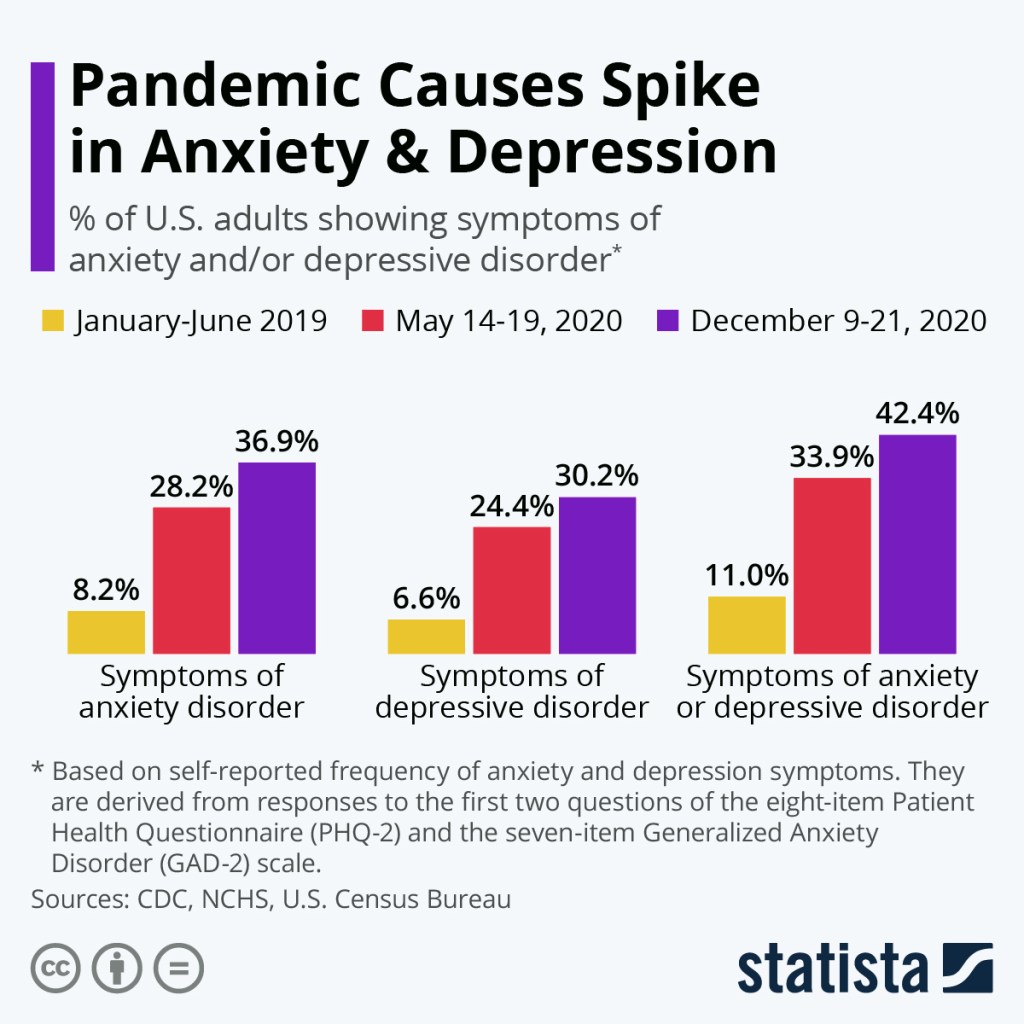
Increased rates of depression and anxiety during pandemic

According to the National Institute for Mental Health (NIMH), 7% of the U.S. population experienced an episode of clinical depression in 2017.  Rates of depression in the U.S. increased more than threefold following the onset of the COVID-19 pandemic in March 2020.  Levels of anxiety and stress have also escalated during this pandemic.  Increasing numbers of people are seeking mental health treatment due to these challenges.

Lifestyle, nutrition, and emotional well-being

How do we address emotional difficulties such as anxiety and depression? In addition to professional treatment, such as psychotherapy or medication, there are many lifestyle practices that support improved mental health.  For example, exercise and meditation are well-known for reducing depression and improving mood.  Social connections and engaging in pleasurable activities are also beneficial for thriving emotionally.

However, it is easy to overlook the impact of nutrition on mental health. And yet, should it surprise us that the same nutrient-dense plant foods that nourish our body also support our emotional thriving?  Several studies found that individuals who ate more servings of fruits and vegetables on a daily basis reported greater emotional well-being and life satisfaction, as well as less emotional distress, compared to those who ate lesser amounts.  These studies suggest that 7 to 10 servings per day may be optimal.

In addition, a study of young adults found that those who consumed more servings of fruits and vegetables scored higher on measures of emotional flourishing, including creativity and sense of purpose, than those who consumed lesser amounts.  And the same individuals reported higher levels of these positive mood states on the days they ate more fruits and vegetables compared to the days they ate lesser amounts.

Cross-sectional studies of vegans and vegetarians found that both of these groups demonstrated lower scores on measures of depression, anxiety, and emotional distress compared to omnivores.  In addition, omnivores who were asked to eliminate meat, poultry, and fish had improved mood scores after two weeks on a vegetarian diet, compared to control subjects who continued eating meat.

In a randomized, controlled study conducted in a corporate setting, participants who were instructed to eat a vegan diet for health and weight loss not only had improved health measures, but also had decreased depression and anxiety and improved emotional well-being compared to participants in a control group who did not change their diet. 

Why does a plant-based diet help mood?  Research suggests that the nutrients and antioxidants in whole plant foods promote a healthy balance of feel-good neurotransmitters.  In addition, plant foods have been shown to be anti-inflammatory, which appears to have a beneficial impact on mood.  In contrast, meat, eggs, dairy, and processed foods are associated with higher levels of inflammatory compounds, which may negatively impact mental and emotional states.

Greater happiness and peace

Evaluating my own personal experience, I have enjoyed greater overall happiness since starting a plant-based diet many years ago.  Based on the above research, I would guess that eating a healthier, high-nutrient diet, while reducing the processed and inflammatory foods that were previously part of my Standard American Diet, has contributed to my improved mood. 

But I have discovered emotional benefits beyond the biochemical effects of my food.  Going vegan has led to an inner transformation that is so much more than merely a change in diet.  Choosing not to consume animal products has contributed to a sense of freedom and peace that extends beyond the ups and downs of daily life.

Our well-being is interconnected with the health of the planet

While there are many things in life that we don’t have control over, we can make daily lifestyle choices to support our emotional resilience and well-being.  In addition to regular exercise, meditation, and meaningful social connections, we can enjoy a vegan diet packed with nutrient-dense plant foods.  And the bonus is that in choosing this life-nourishing diet, we also contribute to a more sustainable, healthy, and compassionate world.

Note: An adapted version of this article was published March 30, 2021 in Main Street Vegan Blog.

Angela Crawford, Ph.D. is a psychologist and transformational coach. She is passionate about empowering people to create lives that nurture body, mind, and spirit.  Dr. Crawford is certified as a Master Vegan Lifestyle Coach and Educator, and has a Plant-Based Nutrition certificate from the T. Colin Campbell Center for Nutrition Studies at eCornell.  She is currently doing research for a book on the emotional and psychological benefits of a vegan lifestyle.

Going Plant-Based: A Revelation for Body, Mind, and Spirit

Brightly colored vegetables
Photo by Chantal Garnier on Unsplash

Going vegan was the best New Year’s resolution I ever made.  To be honest, it wasn’t really a resolution.  It was more of a quest that unfolded over time. 

I discovered that going plant-based is a transformation that leads to so much more than a surface level change in diet.  It brings the joy and freedom of living aligned with deeply held values, eating food that nourishes physical and emotional well-being.  Through veganism, we begin to create the world we want to see.  We join others to become a movement seeking a world of health, compassion, peace, and sustainability.

Moving toward the values embodied in veganism holds answers for many of the challenges we face globally and collectively.  Although there is much in our world that we cannot control, we can choose to eat in ways that create positive change. 

If you have been considering a plant-based diet or going vegan, there is no better time than now.  Whether your goal is better health, enhancing your fitness, helping the planet or animals, or lessening the likelihood of future pandemics, moving toward a plant-powered lifestyle has benefits for mind, body, and spirit

Planting seeds and opening up possibility

While the shift to a vegan lifestyle can occur “overnight,” often it involves a more gradual process of awakening.  For many years, I was not ready to consider plant-based eating.  I didn’t understand why it would be beneficial.  I believed what I had been taught—that I needed meat and dairy for my health.  I didn’t know about the Blue Zones, cultures where people eat a primarily plant-based diet, and live long, active, and healthy lives free of many of the diseases that plague Western nations.  I didn’t know about Dr. Dean Ornish’s research showing that heart disease can be prevented and reversed with a vegetarian diet.  I didn’t know about the elite athletes who have thrived on a plant-powered diet. 

And I was deeply disconnected from the process of how meat and dairy products arrive in their packages in the grocery store.  I was not in touch with the toll that this increasingly industrialized process takes on its workers, or the unspeakable suffering, pain, and cruelty endured by animals bred and raised for food.  I also didn’t know about animal agriculture’s devastating impact on greenhouse gas emissions, deforestation, aquifer depletion, dead zones in the ocean, and water and air pollution.

In addition, for many years, I couldn’t imagine making healthy dietary changes.  During my teens and twenties, it was not uncommon for me to eat a huge bag of chocolates in one sitting.  Even when I stopped that pattern in my early thirties, I still ate plenty of sweets and convenience foods.

But gradually I opened up to the possibility of change.  I became more invested in health and fitness, and began to eat more fruits and vegetables.  And after eating delicious plant-based meals at a conference, I became receptive to the possibility of a meat-free diet.

Many of us initially have blocks to considering a vegan lifestyle, including fears about whether we will get all of the nutrients we need, reluctance to give up foods we enjoy, or concerns about how we will handle social and family gatherings.  How do we overcome these resistances and fears?  Most of us need a deeper reason for making this level of change.  Sometimes a health issue, something we read or see on TV, or information shared by a friend sends us into readiness to consider change.

Whatever the impetus for considering veganism, once the seeds of possibility have been planted, we need to nurture them by seeking out information to inspire and guide us.  We don’t yet need to know all the “how-to’s” but we need enough knowledge for change to feel possible and desirable.  Documentaries such as Forks Over Knives, What the Health, The Game Changers, and Vegucated, as well as books like The China Study and Food Revolution can catalyze and galvanize this discovery process. 

Awakening

Many vegans describe a process of awakening.  For some, it’s the realization that despite the confusing information in the media about nutrition, there is actually a simple answer for how to eat in a way that is healthy and nourishing, a way that makes a lot of sense.  For others, it is the realization that if we care about climate change and the environment, the most meaningful action we can take is to eliminate animal products from our diet.  And for some, it is awakening to an awareness that the whole system of how farmed animals are bred, raised, and slaughtered is incredibly inhumane.  Most of us care about animals, and are deeply concerned if we learn of abuse toward a dog or a cat, but somehow we’ve been taught to disconnect from this inhumanity when it applies to species of animals that we think of as “food.”

My awakening occurred in stages, first through watching a program about slaughterhouse workers, which increased my awareness of how meat was “produced” and the inherent violence and suffering involved.  However, for many years, I did not connect with the full scope of animal exploitation.  It felt too overwhelming.  I found myself pulled into the trance of eating in ways that were socially accepted and familiar.  Watching the documentary Earthlings dissolved any remaining ambivalence and disconnection.  Although what I saw in the film was deeply upsetting, I felt lighter, freer, and clearer afterward. It strengthened my commitment to honor my deeper knowing and values, even when it was difficult.

During this period of awakening, it can help to have support from others who are vegan, to share your discoveries and to process the feelings that come up.  There is excitement, joy, and freedom embarking on this new lifestyle, but it also can feel overwhelming and disheartening when taking in the realities of animal suffering.  Consider finding a vegan mentor or support group, such as that offered by Vegan Outreach.

Preparing for your vegan transition

When you have taken in enough information to decide you are ready to move forward, it can be helpful to set a date for making the transition.  How much time do you need?  Some people are so impacted in the Awakening stage that they literally become vegan overnight.  For others, it’s a process of taking gradual steps toward becoming more and more vegan.  This is the time to discover delicious new recipes.  Learn how to “veganize” your favorite meals, develop vegan baking skills, and try out new, healthy ingredients to stock your pantry and refrigerator.  For guidance, check out The 30 Day Vegan Challenge, Main Street Vegan, The VegNews Guide to Being a Fabulous Vegan, or The Vegan Starter Kit.

Finding your vegan groove

To stay strong in your vegan commitment, it helps to continue learning about plant-powered living. There are a multitude of resources to support you, including countless websites, on-line support groups, books, documentaries, and podcasts.   (Check out some of the resources that supported my vegan journey).  In addition, social support is key to successful, lasting lifestyle change.  Continue to build connections with other vegans, and educate non-vegan family and friends, so that they are on-board with your new way of eating.

It’s normal to have ups and downs, times of strong commitment, and times of questioning.  Have self-compassion, recognizing that it can be difficult to make a change that may be challenged by family and friends.  It takes time to learn how to adapt to the social and practical implications of this new lifestyle.

Trust that with commitment, knowledge, and support, vegan living becomes second nature.  Over time, it becomes part of our identity, and for many of us, it is also part of our contribution to the greater well-being of all beings and the planet.  It goes beyond being a diet or lifestyle, connecting us with a deep sense of meaning and purpose.

Awakening to our highest values is an act of courage and inner transformation.  We are freed from bondage to unhealthy foods as we eat life-nourishing foods.  We embark on a path of self-discovery that frees us to be our authentic selves and to discover and express what truly matters to us.  And as we do so, we contribute to a more sustainable, just, and compassionate world.

Angela Crawford, Ph.D. is a psychologist, transformational coach, and vegan lifestyle educator.  Her work includes coaching those who feel called to help others, animals, and the planet, empowering them to discover and share their gifts, express themselves authentically, and live in ways that nourish body, mind, and spirit. She also writes and teaches about thriving emotionally with a plant-powered, vegan lifestyle.