
The Emotional and Spiritual Benefits of Going Vegan

Mountain view overlooking valley with blue sky and clouds. Photo taken from the top of Sandia Peak, New Mexico.

Mindfully choosing to eat plant-based, as an expression of care for animals, the environment, and our own health, creates a massive internal shift. As we eat more compassionately and leave animals off our plates, we may discover transformations in heart, mind, and spirit that we never expected. We encounter a sense of peace, fulfillment, and freedom that – for many of us – far outweighs any challenges of stepping into this way of living. 

As a psychologist and a vegan, I have been fascinated by the psychological changes experienced by those who take the vegan path. While there has been considerable research on the health benefits of a plant-based lifestyle, I found less exploration of how living vegan can impact us emotionally and psychologically. This led to research for my book, The Vegan Transformation: A Journey to Heal Yourself and the World (Lantern Publishing & Media, 2025), surveying and interviewing vegans about the emotional and spiritual impacts of their lifestyle. After collating the most common experiences, seven transformative pillars emerged.

These pillars are foundational aspects of a flourishing life. While there are no guarantees that being vegan will bring these qualities into your life, they capture an experience that is common for many vegans. This is the possibility of creating a meaningful and fulfilling life that also contributes to a kinder, healthier world. Below I describe the seven transformative pillars.

Values alignment

Tangibly honoring our values through our food choices and other purchases can be one of the most fulfilling and freeing aspects of being vegan. As we clarify our core values and make daily choices in accord with these values, we feel truer to ourselves and more at peace. We discover the courage to honor our conscience and course-correct when our actions are out of alignment. We dare to be different, guided by the ethics of kindness and nonviolence.

Cultivating compassion

In choosing veganism, we widen our circle of compassion. Rather than compartmentalizing our empathy to select groups, we become willing to witness and, whenever possible, alleviate the suffering of sentient beings. As we extend our compassion to all beings, we make choices that bring kindness, wholeness, and freedom for ourselves and others. We discover the courage and tenacity to go against the status quo – and take a stand that all sentient beings deserve a life that is free from unnecessary suffering.

Deeper meaning and purpose

Becoming vegan can fuel our sense of purpose, as we realize we have the power to create positive change and lessen suffering. Many of us are drawn to bring our unique gifts and skills to raise awareness about the impacts of our food choices. It doesn’t matter whether we serve on a smaller scale in our family or community, or on a larger, global scale. We each have a meaningful purpose to fulfill.

Authentic fulfillment

Many vegans discover authentic fulfillment, even as we awaken to realities that are quite distressing. This fulfillment doesn’t mean “feeling good” all the time, but rather, learning to navigate our full spectrum of emotions and finding peace in doing what we can. We nurture our holistic well-being when we eat whole plant foods and incorporate nourishing activities and lifestyle practices.

True connection

When we embrace a vegan lifestyle, we discover a like-hearted tribe of other vegans who share our convictions. We may make these connections through online networks, social media groups, or local meetups. These meaningful connections nourish and strengthen us. As we take this road less traveled, we also learn to peacefully navigate relationships with others not yet on this path.

Health empowerment

Many vegans discover the powerful healing benefits of a plant-based lifestyle for addressing degenerative diseases. This discovery brings something beyond physical healing; it brings empowerment, the realization that we have more control over our well-being than we ever knew. Even though we all face the inevitability of aging and death, and perhaps some ailments along the way, empowerment is about taking action where we can and living as vibrantly as possible.

Discovering our interconnectedness

Once we are no longer eating animals, new awareness can emerge. Many vegans report a deepening spirituality, increased awe of the natural world, and a greater sense of our interconnection with all of nature. We realize that we are connected in ways that we can’t quite define and that bring a sense of wonder, mystery, and magic to our lives. Gradually, we see that caring for each part of this intricate system serves our own well-being and the greatest good.

These seven pillars are supported by psychological research as keys to a life that is rich and meaningful. When we bring these pillars together with a vegan lifestyle, their synergistic power can be transformative. As we eat more compassionately and sustainably, we embrace a vision where all beings can flourish, and discover that making the kind choice also nourishes us.

This article was published on the Main Street Vegan blog on 4/22/25. The information shared is adapted from my book, The Vegan Transformation: A Journey to Heal Yourself and the World (Lantern, 2025).

For information on moving toward (and thriving with) a plant-powered, vegan lifestyle, check out my Resource List.

Angela Crawford, Ph.D. is a psychologist and author of The Vegan Transformation: A Journey to Heal Yourself and the World (Lantern Publishing & Media, 2025), which was launched on April 22, 2025, Earth Day. 

Dr. Crawford is certified as a MSVA Master Vegan Lifestyle Coach and Educator, licensed PCRM Food for Life instructor, and Transformational Coach. A speaker and teacher about the psychological benefits of veganism, she is passionate about the power of personal transformation to create a more fulfilling and purposeful life, and a kinder, healthier world.

Coping and Thriving Through Difficult Emotions

Woman sitting on dock, looking at the water.
Photo by Keenan Constance on Pexels.com

How do we cope with challenging emotions, especially in the face of suffering in the world around us? As we watch the news or scan social media, it seems that the problems that face us are ever-growing: climate change and natural disasters, hunger and food insecurity, wars, disease, polarization, and violence. Not to mention our own personal stressors in areas such as relationships, finances, career, and our physical and mental health.

On top of that, those of us on the vegan path face what psychologist, Clare Mann (author of Vystopia: The Anguish of Being Vegan in a Non-Vegan World), calls the “burden of knowing”: we have become aware of the vast suffering of animals in the food system and other oppressive systems, and want to raise awareness to end this suffering. How do we cope when it seems that most of society – and our political and social systems – are oblivious or indifferent to the impact of our daily choices on the planet and on sentient beings?

As a highly sensitive person and empath, I face my own share of difficult feelings – times of sadness, despair, anger, and fear. And sometimes I find myself in a downward emotional spiral when I listen to the news – or read negative, attacking comments on social media – or when I feel like an outsider at social events that are centered around animal foods. Sometimes I can handle these situations with strength, grace, and wisdom. But sometimes these situations bring me down into emotional negativity. Maybe you can relate.

I don’t have all the answers for how to handle difficult emotional experiences. However, as a lifelong seeker of personal and spiritual growth, and previously a psychotherapist for 25 years, I have committed myself to discovering ways to cope, transmute, and thrive through unsettling and painful emotions. Below, I share ten tips for coping with difficult emotions, drawing on my experience, the wisdom of other experts, and insights from my forthcoming book, The Vegan Transformation: A Journey to Heal Yourself and the World.

1. Remember that emotions are natural and essential – including the painful ones.

When we experience painful events, witness others’ suffering, or become aware of the widespread exploitation and harm to sentient beings, it is normal to experience sadness, anger, and even hopelessness or despair. It’s important to understand that emotions are essential for our survival and thriving. Even the emotions that we label as “negative,” like fear, sadness, or anger, serve important adaptive functions, helping us to recognize our needs and to take appropriate action. Many times, we wish to bury or push away negative emotions because we fear becoming overwhelmed by them. However, learning to acknowledge and move through our emotions is essential to psychological, physical, and interpersonal wellness. This mindful acknowledgement of our emotional experience reduces the risk that we will bury our feelings or become “stuck” in a particular emotion. Ultimately, acknowledging our emotions enables us to engage in life more fully and authentically.

2. Start by naming your emotions.

For example, “I’m feeling sad, angry, afraid,” or whatever feelings you are experiencing. By giving language to feelings, it often diffuses their emotional intensity. It helps us to gain some distance, so that we recognize that these are feelings (mental experiences), which can guide us, but do not define us. This helps to bring the Wise Brain back online, so that we can access more resources for coping. Listing all your feelings on paper can help to acknowledge the complex interplay of emotions underneath your distress. Sometimes we may be feeling sad, angry, afraid, and/or hopeful all at the same time. As you write out what you are feeling, this doesn’t mean getting caught up in your “story” around these feelings. Spending endless time justifying our reactions, interpretations, and/or “rightness” can keep us stuck. Simply name and acknowledge the different feelings you are experiencing, and be aware of the needs and desires that accompany them. If you have difficulties identifying your feelings, tools like the Feelings Wheel can help. In addition, the Center for Nonviolent Communication offers a helpful list of feelings and needs.

3. Develop skills for processing feelings and moving them through the body.

Strategies for working through feelings include mindfulness, yoga, journaling, taking a walk, being in nature, or spending time with companion animals. In addition, you may wish to incorporate powerful practices such as lovingkindness meditation, Emotional Freedom Technique (EFT), Internal Family Systems (IFS), or HeartMath techniques. I’ve included hyperlinks for each of these in case you wish to explore them further. I practice regular journaling, prayer, walks in nature, visualization, and mindfulness meditation to help stay grounded – and use IFS and EFT when I need emotional power tools.

4. It’s healthy to let yourself cry.

Tears help us release emotions such as sadness, sorrow, and grief. Sometimes we fear crying because we are afraid that we won’t be able to stop, or we will look weak to others. However, for most people, there is tremendous relief after a good cry. In addition, research shows that tears can make relationships stronger, because they help others relate to us. Allowing yourself to release tears helps you and may help to advocate more effectively as well.

5. Anger is a normal response to injustice, cruelty, and oppression.

It’s okay to feel angry – this is a natural response when we feel that we or others are being treated unjustly. The bigger issue is how you relate to and handle anger. First, as with any emotion, it’s helpful to name it and draw on coping skills to process and release physical tension in the body. Once we are calmer, we can discern wise and effective ways to respond to our anger. Chronic anger is not healthy for us or helpful for creating the changes we want to see. Unprocessed anger tends to lead to aggressive or hostile communication, which typically causes others to put up their defenses, rather than be receptive to our message. A healthier and more effective approach is to first calm and regulate the nervous system and then discern wise words and empowered actions that help toward our larger objective.

6. Remember healthy self-care in daily life.

To thrive emotionally and inspire the change we want to see in the world, we must include ourselves in our circle of compassion. Just as we would nurture a beloved friend, child, or companion animal, we need to extend that nurturing care toward ourselves. This ongoing self-care can also give us greater emotional resilience for handling difficult feelings. For example:

  • Eat nutrient-dense plant foods to nourish yourself optimally. Research finds that a plant-strong diet rich in antioxidants, fiber, and other nutrients is associated with improved moods and emotional health. This includes eating plenty of fruits, veggies, legumes, nuts, seeds, and whole grains, while reducing or eliminating inflammatory foods such as fast food, sugar, meat, and dairy.
  • Incorporate regular movement and exercise, restorative sleep, and meaningful time with loved ones, and avoid use of harmful substances.
  • Include regular stress management and emotional self-care practices, such as meditation, yoga, breathing techniques, journaling, spiritual practices, time in nature, connecting with beauty, and/or time with companion animals.
  • Find the right balance of work and rest; time with others and time alone.
  • Set boundaries on your exposure to disturbing news, images, and social media posts. Seek out positive and inspiring sources of information and support.

7. Your focus affects your physiology.

Rather than focus solely on what is wrong in the world, we can consciously imagine the compassionate, sustainable, and healthy world we want to see – and celebrate any signs of movement in that direction. While we all have negative thoughts from time to time, we don’t have to stay stuck there. Take a moment to consider, what motivates you? What gives you hope? Create daily affirmations and intentions that reconnect you with your WHY. Talk to yourself in encouraging ways and affirm steps of progress. Nurture moments of laughter, humor, and joy, and seek out positive support and inspiration. Why is this important? Our thoughts impact our physiology and how we feel and act, and how others respond to us. More empowered thoughts reap more productive interactions and outcomes.

8. Recognize the good that is happening.

Notice the blessings in your life. What positives do you experience emotionally, physically, interpersonally, and/or spiritually? Even though there is still much healing that needs to happen in our world, how do your choices make a positive difference? Also, notice the positives happening within the larger vegan movement and toward causes you care about. When you intentionally notice the good that is happening, it allows it to expand, not only in your consciousness, but also in the world. And there are many hopeful things happening. For example, there is tremendous growth in the vegan movement, greater awareness around social and animal justice issues, more plant-based products in the marketplace, and countless devoted advocates working to create a kinder, healthier, and more sustainable world.

9. Take positive action.

Joan Baez, the songwriter and activist, is noted for saying, “Action is the antidote to despair.” Being involved in a cause that matters to us can make all the difference in our sense of well-being, hope, and purpose. Whatever the cause that most speaks to you, whether animal protection, climate and environmental issues, human health, mental health, world hunger, injustice or oppression, spiritual healing, or any other issue, taking positive action can move you from powerless to empowered. If you are already involved in a cause or a movement, take a moment to appreciate what you are contributing. And if something feels missing in this area of your life, explore how you can connect with others who share your mission and passion – and discover ways to collaborate and contribute your gifts.

10. Know when to seek help.

If you experience severe emotional distress or symptoms that are disrupting your life, consider seeking support from a qualified psychotherapist or professional. In Defense of Animals offers resources and a list of therapists who are sensitive to vegan and animal rights issues. The support of a trained professional, who not only understands your feelings and concerns, but also offers tools for coping, can make a world of difference.

It is part of our human journey to experience a complex array of emotions, including some that are difficult and distressing. May you bring kindness to yourself through these feelings, practice compassionate self-care, and discover the wise actions you are called to take. Each of us has a part to play in creating a more compassionate and just world, one that recognizes our interconnectedness with all beings and with all of Nature. Often our toughest emotions are important keys that ultimately guide us to what matters most.

Angela Crawford, Ph.D. is a psychologist and vegan educator. She offers classes and resources to empower people toward a plant-powered lifestyle for physical and emotional well-being, compassion for all sentient beings, and caring for the planet. She is author of The Vegan Transformation: A Journey to Heal Yourself and the World (Lantern Publishing & Media, 2025).

Navigating Social Situations on Your Vegan Path

Colorful vegetables with sauces on plate, and wine glasses on table
Photo by Angela Crawford

Early on my vegan journey, I discovered many powerful reasons for eating plant-based. First and foremost was becoming more at peace with myself through making more compassionate choices and leaving animals off my plate. Before becoming plant-based, I couldn’t understand how anyone could be vegetarian or vegan – or what they would eat. But once I awakened my compassion for farmed animals, I couldn’t imagine turning back.  

 I quickly discovered that eating a plant-exclusive diet was not only kinder to animals – it was also better for my own health. Unlike what I had been taught growing up, I did not need meat or dairy to thrive. In fact, research studies have shown that a plant-based diet can help to prevent, and even reverse, many of our most common medical conditions, such as coronary heart disease and Type 2 diabetes. With a strong family history of cardiovascular disease, this really hit home for me. I also learned that eating a plant-based diet is one of the most powerful things we can do to live more sustainably on our planet.

Beyond the ethical, health, and environmental reasons for going veg, there are also psychological, emotional, and spiritual benefits. My own personal experience, as well as my research with other vegans for my forthcoming book, The Vegan Transformation: A Journey to Heal Yourself and the World, shows that often these emotional and spiritual shifts are among the most meaningful parts of being plant-based.

So, with all these wonderful benefits, it should be easy to share this lifestyle with others – our loved ones, acquaintances, coworkers, etc. – right? If we have discovered a major way to change lives for the better, why wouldn’t we want everyone to know about it – and hopefully inspire others to join us?

Sadly, things don’t always flow so smoothly when we navigate conversations about veganism. While plant-based diets are more popular than ever before, statistics show that vegans are still only about 3% of the population. Research suggests that social challenges are perhaps the biggest hurdle in starting and sustaining a vegan lifestyle. For many of us, it’s not easy to adopt a lifestyle that is different than most people around us, and we may experience stress, anxiety, or frustration when we try to navigate everyday social situations. I know this was certainly true for me, especially when I was a new vegan, as I struggled with an inner conflict between my desire to honor my values and my desire to “fit in” socially.

Take a moment to reflect: What social situations or conversations throw you off track, lead to stress, or cause you to react in ways you are not proud of? If you are like many vegans, this may include things like:

  • Navigating family and cultural traditions centered around animal foods
  • Handling social expectations, reactions, and dynamics
  • Not wanting to inconvenience others or make a “fuss”
  • Dealing with critical or judgmental comments about veganism
  • Not knowing any other plant-based eaters or vegans in your social circle

It is important to develop strategies that can help us handle these challenges successfully. How do we honor our personal values and goals, while navigating social gatherings and conversations where there may be conflict around these? How can we respond with grace and ease? Below I discuss four tips for thriving socially while living a plant-powered lifestyle.

1. Remember your WHY

First, let’s start with your foundation. What are your reasons for going plant-based? Is it compassion for animals, being healthier, improved fitness, overcoming a medical issue, caring for the planet, or environmental sustainability? Write down your primary reason(s), then go deeper with exploring this. How does being vegan or plant-based help toward things that really matter to you? How do your lifestyle choices affect the causes that you are passionate about? How does your WHY create a positive difference for yourself and for others?

 After writing down your responses to these questions, it can be helpful to encapsulate them into one or two sentences that describe your WHY. Read your statement daily to help you stay connected with your deepest motivations. Remembering our reasons for going vegan can help us to weather challenges we face along the way. Staying connected to our WHY can give us to the resilience to learn new skills and to dare to be different on behalf of our vision, values, and goals.

2. Seek vegan support

Healthy relationships are paramount for our emotional and physical well-being. Supportive connections are especially important when we make a lifestyle change where we are living differently than many around us. Support from other vegans who share our passion and commitment provides numerous benefits. For one, we no longer feel alone. There is great relief and comfort in connecting with others who share our views, concerns, and joys. In addition, these kindred spirits cheer us on, provide camaraderie, and encourage us. They guide and support us in overcoming our difficulties, including ways to navigate challenging social situations.

How can you connect with other vegans? Consider these options:

  • Check out local or online vegan meetup groups
  • Go to Veg Fests or wellness expos
  • Attend plant-based and vegan courses, conferences, trainings, and programs
  • Create your own vegan event or local group
  • Volunteer with local animal sanctuaries, shelters, or vegan organizations
  • Follow vegans on social media, read vegan blogs, or listen to plant-based podcasts
  • Find a vegan mentor to support you. Peace Advocacy Network and Vegan Outreach offer free peer mentoring programs.
  • Attend vegan cooking classes, such as Food for Life, to learn plant-based cooking skills and connect with other class participants.

3. Be prepared and proactive

As vegans, we quickly learn the importance of planning ahead, particularly when it comes to social events or traveling. Often, we realize this after attending an event where we discover, to our dismay, that there are no vegan options available. This happened to me more than once before I accepted that I needed to be proactive if I wanted to enjoy non-vegan social events. Here are some suggestions to proactively approach social situations:

  • For social events, talk to the host ahead of time. Let them know you are vegan, what you eat and don’t eat, and ask if they would be okay with you bringing a vegan dish to share. In some cases, they also may offer to provide something vegan for you.
  • For potlucks or holiday meals, bring delicious food to share. Not only will you ensure that you have something to eat, but you also offer the opportunity for others to experience how appealing plant-based cuisine can be.
  • When eating out, use the Happy Cow app or other online sites to find vegan and veg-friendly restaurants. If you are going to a restaurant that doesn’t have obvious vegan options, it helps to call ahead or talk with a staff person to see what options may be available. Be creative – look for ways to veganize existing menu options.
  • Create new holiday traditions. Perhaps you might provide a vegan meal for loved ones or offer to bring vegan side dishes. Or, perhaps you might enjoy a vegan potluck meal with friends, and later get together with family for a drink or an enjoyable activity. Envision how you want to enjoy your holidays, in ways that align with your values AND nurture your connection with loved ones.

4. Develop healthy communication skills

Successfully navigating social challenges calls on us to become effective communicators. This is not an ability we are necessarily born with; most of us need to work to develop our communication skills. Whether it is speaking up with the host of a social event, the wait staff at a restaurant, your mother, your partner, or the person who makes obnoxious comments about veganism, you need skills to communicate effectively. Thriving vegans develop the ability to express their feelings, needs, and perspectives in ways that create heart-felt dialogue. Unfortunately, many people lack the ability to skillfully navigate differences, and this leads to unresolved conflicts and emotional cut-offs.

There is an art to effective and generative communication. In general, an assertive communication approach (rather than being passive, aggressive, or passive-aggressive) is most effective for addressing differences and increasing mutual understanding. Assertive communication entails expressing your feelings and needs clearly, directly, and respectfully. You are honest about what you feel and what you would like to see happen, and at the same time, you are respectful of yourself and the other person.

Passive communication, in contrast, is when we don’t speak up at all, or dance around the issues, rather than be clear and direct. Often this occurs when we are trying to please others or avoid conflict. Aggressive communication is when we express ourselves in a critical, angry, or hostile way. Aggressive communication is often contagious; those on the receiving end of aggression tend to feel threatened, which often triggers them to react back with anger – or to withdraw and shut down. Passive-aggressive behavior is a more subtle form of aggression, which can include sarcasm, ridicule, or undermining behaviors. These communication styles tend to shut down connection, and generally are not helpful for increasing mutual understanding or resolving differences.

Now, think about the challenging social situation(s) that you identified earlier and what changes you would like to make. Start by clarifying your intentions for the situation. What do you hope to create—for yourself, for the other(s) involved, and for the larger picture? This reflection reconnects you with your deeper wishes, rather than being reactive. Once you have identified what you truly want for the relationship and/or situation, you can then determine the best way to move forward. Do you need a time-out to calm your emotions? How can you initiate a meaningful dialogue that will increase mutual understanding and create positive change? If you need help to improve your communication skills, check out my Communication Resource List for some great books and resources.

Developing these skills occurs over time and with practice. While being vegan in a not-yet-vegan world can be source of conflict, it can also be an opportunity to strengthen our communication and relational skills, as we learn how to work through differences. And it can be an opportunity to break through our old limiting patterns like people-pleasing or self-sabotage. Through remembering our WHY, creating a strong support network, being proactive, and nurturing healthy communication skills, we can honor our values AND navigate social situations with confidence and ease.

Angela Crawford, Ph.D. is a psychologist and vegan educator. She is passionate about the benefits of plant-powered living for physical and emotional well-being, compassion for all sentient beings, and caring for the planet. She is author of The Vegan Transformation: A Journey to Heal Yourself and the World (Lantern Publishing & Media, 2025).

The Healing Power of Compassion

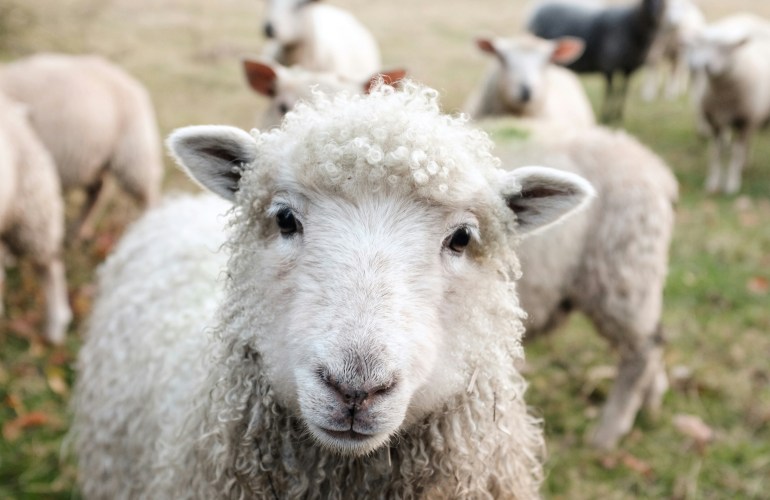
Sheep gazing at camera, with other sheep in background
Photo by Sam Carter on Unsplash

Recently I was asked in an interview what value most strongly guides my life. My response? COMPASSION.

Specifically, expanding my circle of compassion to include myself, others, all sentient beings, and our planet.

Compassion guided my decision to become a clinical psychologist and to empower others’ healing journeys. It guided me to become vegetarian and then later vegan, when I realized the cruelty and suffering inherent in animal agriculture. It led me to be more aware of social justice issues and the destruction of our environment – and to want to make more compassionate choices for the flourishing of all.

As humans, we are biologically wired for compassion, but many of us have learned to compartmentalize our compassion – often extending it only to select races, types of people, or species of animals. We have compassion for people who are “like us,” but often exclude those who are from different cultures or who hold different views.

And when it comes to animals, most of us love our companion animals, such as dogs and cats, but turn a blind eye to the animals who are part of our food system (pigs, cows, chickens, turkeys, and sea creatures) or who are used in research or other industries.

Compassion is a guiding principle of most spiritual, religious, and ethical systems. It literally means “to suffer together.” It is the empathic awareness of others’ distress or suffering, along with a desire to alleviate that suffering. From early times, great thinkers, philosophers, and teachers have advocated the importance of compassion for all beings to create a more humane, peaceful, and healthy society – leaders such as Pythagoras, Leonardo DaVinci, Leo Tolstoy, Albert Einstein, and Gandhi.

To be compassionate is not only good for others and our society, but also healthy for us on a personal level. Research finds that it is associated with better physical and emotional well-being, better relationships, and improved social and emotional skills.

Those of us who are empaths may sometimes fear that connecting with our compassion will overwhelm us – especially when there is so much suffering in our world. It is important to include ourselves in our circle of care and compassion. This brings a grounded well-being and mindful presence from which to extend our kindness and support.

While we don’t have the power individually to solve the vast problems in our world, by connecting with our compassion, and joining forces with others who share our concerns, together we can make a difference. In my view, awakening and cultivating our collective compassion is paramount for healing our selves, our world, and the many challenging issues of our time.

Compassion was a central theme that arose in my book research about the transformative impact of a vegan lifestyle for mind, body, and spirit. (My book is due to be published in early 2025 by Lantern Publishing).

To read the full article / interview in Shoutout DFW about the healing power of compassion and my personal journey, CLICK HERE.

With 25 years of experience as a licensed psychologist, Angela Crawford, Ph.D. is passionate about the power of a plant-powered, vegan lifestyle for human health; compassion for all sentient beings; and caring for our planet. She recently researched and wrote a book on the transformative impact of a vegan lifestyle for mind, body, and spirit, due to be published in 2025.

As a Vegan Lifestyle Educator, she offers resources that empower people to shift to a plant-powered lifestyle for better health and emotional well-being. In addition, she mentors vegans to flourish emotionally, find their authentic voice, and express their unique gifts toward creating a healthier and more compassionate world.

She holds a doctorate in Clinical Psychology and previously worked as a psychotherapist for over two decades. She holds certifications in Plant-Based Nutrition, and as a Master Vegan Lifestyle Coach and Educator, Transformational Coach, and EMDR practitioner.

The Power of True Connection

Table set for holiday dinner, with candles
Photo by Libby Penner on Unsplash

I was at Starbucks with a friend from my church, a devoted vegan.  It was 2007, early on my veg journey.  I had just stayed up much of the night reading The Food Revolution by John Robbins.  I was haunted by the stories and statistics – about immense animal suffering, human health crises, and the environmental destruction caused by our food choices.  I was learning about factory farming – the overcrowding of animals, the horrific conditions in which they are raised, and the industrialized slaughter process. 

Like many of us, I was raised to believe I needed meat and dairy in order to be healthy.  But now I was beginning to question this “truth.” Through my reading, I discovered that our meat-heavy diets contribute to many chronic diseases that are rampant in Western cultures – including heart disease, which runs in my family.

There was no one in my immediate social circle who I could talk to about what I was learning – no one who really got it.  Everyone around me was doing what I used to do – mindlessly eating the Standard American Diet (SAD) – heavy in meat, dairy, eggs, sweets, and processed foods.

We sat down with our coffees, my friend requesting plant-based milk instead of dairy milk.  I expressed my distress in realizing that 70 to 80 billion farm animals are slaughtered worldwide each year, with unspeakable suffering in how the animals are raised and ultimately killed.  I was also grappling with learning of the environmental impact – deforestation, depletion of land and water, pollution, greenhouse gas emissions, and destruction of ecosystems.

As I poured out my feelings, my friend’s presence and understanding were very reassuring.  I don’t remember much of what we said, just that our time together was a comforting balm amid my disillusionment and anguish.  She had experienced similar feelings when she made these discoveries years ago.

After that supportive visit with my vegan friend, I continued reading every book in my library on the topic.  What I learned deepened my commitment.  I went from daily meat eater to mostly vegetarian, to fully vegetarian, and in time, vegan.  The more I learned, the more I became committed to a plant-based lifestyle, free of animal products.  In every stage of my journey, finding support from others who were undergoing the same journey was key to not only sustaining my lifestyle, but also being a fulfilled and thriving vegan.

I met other vegans through on-line classes and groups and my local veg group.  Over time, I connected with vegans across the globe – all sharing my passion for creating a more compassionate, healthy, and sustainable world.  These conversations and connections had a deep impact, inspiring and uplifting me, and engaging me in a global movement of compassion and justice for all beings.

My vegan journey was so transformative, I longed to inspire others toward this compassionate, life-affirming path.  This led to me researching and working on a book about the emotional, social, and spiritual impacts of a vegan lifestyle.  I have surveyed over 350 vegans, following up with dozens of in-depth interviews about their experiences in choosing a vegan lifestyle.

One of the most transformative impacts reported by my research participants was “connecting with others who share my values.”  My respondents found that in living their deepest values and discovering greater purpose, they forged deep and meaningful connections with others who shared these passions.

Many of the vegans I interviewed are serving their purpose through volunteering, working in aligned organizations, or creating businesses that provide vegan products or services. Their passions and contributions connect them with others who care deeply about these same issues.  They report that these connections inspire them, uplift them, and nurture their commitment and hope during challenging times. 

A few quotes from my research respondents: 

  • “I’ve met so many wonderful, compassionate people since becoming vegan.  It has helped me to focus where I volunteer my time, where I donate, and helps me live a life of purpose.”
  • “I have connected with other like-minded people and have more meaningful relationships than ever before.”
  • “I have found an amazing set of beautiful souls who have the same purpose in life.”
  • “I found a tribe of like-minded individuals and it feels great.”

We are wired to be social beings – our health and even our longevity is supported by meaningful connections.  Vast research shows that those with quality relationships live longer and thrive better emotionally and physically.  In contrast, loneliness and lack of support is associated with increased health and mental health issues – and is as detrimental as cigarette smoking, obesity, high blood pressure, or lack of exercise.

Forming connections with others who share our values is deeply fulfilling – and for vegans, who are living a minority lifestyle, aligned support is essential.  Research suggests that lack of social support is one of the primary reasons for lapsing from veganism.

In addition to building strong connections with other vegans, we also must learn the art of being true to our values as we navigate our relationships with those who are not yet vegan, particularly those who do not understand our commitment to a vegan lifestyle. We have discovered truths that are deeply impactful to everything we care about – yet we often find that those closest to us are not interested in learning about a vegan or plant-based lifestyle, or understanding why it matters to us.

This paradox is common for many vegans – we find deep and meaningful connections with those who share our convictions.  We feel more connected to ourselves and to Nature through our choices.  And yet there are ongoing conflicts as we navigate being vegan in a not-yet-vegan world.  How do we successfully navigate these challenges?  How do we find true connection with others AND be true to ourselves and our values?

Here are seven tips for nurturing healthy connections (while staying true to your values):

1. Seek support from other vegans 

Find others who share your passions and values – through on-line groups, classes, and local veg groups.  Volunteer at a sanctuary or an organization that serves the causes you most care about.  It’s important to connect with others who share your commitment. This helps to stay dedicated during times of discouragement, to strengthen hope during times of despair, and to enjoy camaraderie in serving a shared cause. Support from other vegans also gives insights for handling challenging situations.

2. Implement self-care practices

Daily habits such as meditation, mindfulness, spiritual practices, exercise, and good nutrition provide an essential foundation for coping with emotional and social challenges – and staying true to your values during difficult times.  Identify a few self-care practices that strengthen you emotionally and physically, and commit to engaging in them regularly.

3. Connect with your core values and the reasons you became vegan 

When we remember the reasons we adopted a vegan lifestyle, it gives us strength to navigate challenges that come up. As one of my research respondents said, “I check back often with my core beliefs.  I know I don’t want to support violence and cruelty toward animals, or anyone for that matter, including myself.”  Whatever your reasons for being vegan – compassion for animals, health reasons, environmental, and/or food justice – reconnect with these reasons often to strengthen and renew your commitment.

4. Live your compassion in daily life.  

Advocacy and activism are powerful antidotes to feelings of helplessness, discouragement, or despair.  As one of my respondents said, “Instead of letting those negative feelings bring me down, I channel them into determination to change something, to make something better in the world.”

5. Learn the skills of speaking up positively and effectively

This includes gaining knowledge about veganism, so you can respond to common questions, concerns, and myths.  Even more importantly, it entails developing constructive communication skills.  When we are discussing topics that are emotionally charged, it can trigger us into fight-or-flight mode.  We need to learn skills for calming our emotional reactions, and expressing ourselves in ways that create meaningful dialogue. We may need to set boundaries around which situations we are willing (or not willing) to be part of and explore new traditions for our time with loved ones.

If you find that this is a challenge, check out the teachings of vegan psychologists, Dr. Melanie Joy and Clare Mann.  These powerful vegan leaders show us how to navigate social challenges in ways that create meaningful connections with others, while honoring our deepest values.

6. See yourself as a leader

You are an early adopter of a movement for health, compassion, and planetary healing.  In choosing a lifestyle based on a commitment to ethics and/or health, we must learn to care more about being true to our values than pleasing others.  As one of my research participants stated, “I have become more independent in my thinking, less likely to succumb to fearing the opinions of others, less affected by trying to fit in, less likely to worry about being judged.”

7. Develop compassion for others’ journeys

This isn’t easy when we want to see healing and change in our world ASAP.  However, pressuring or judging others rarely works to create personal or social change.  We need to remember that we are all conditioned from an early age to view eating certain animals as “natural, normal, and necessary,” as noted by psychologist Melanie Joy. It is not easy to wake from the trance of our upbringing and social conditioning.  When we become frustrated by the slow pace of change, we can shift our mindset by being a positive role model who embodies the compassion, health, and ethics we wish to inspire in others. 

Our journey to greater health and compassion is strengthened through transformative, meaningful connections.  In discovering the art of true connection, we feel connected to our values, and deeply supported by ourselves, Nature, and other people.  We also become a support and inspiration for others on their paths.  True connection is a pathway leading us toward a world of compassion, sustainability, and flourishing for all.

Angela Crawford, Ph.D. is a psychologist and transformational coach.  She is currently working on a book about the psychological, emotional, and spiritual impacts of a vegan lifestyle. Dr. Crawford is certified as a Master Vegan Lifestyle Coach and Educator through Main Street Vegan Academy and has a Plant-Based Nutrition certificate from the T. Colin Campbell Institute for Nutrition Studies at e-Cornell. She serves as a psychology advisor and contributor for weDIDit.Health, an on-line community that shares the benefits of a plant-powered lifestyle.  She hosts a YouTube channel, The Vegan Transformation.

The Transforming Effects of a Plant-Powered Vegan Lifestyle

Photo by Robert Lukeman on Unsplash

Highlights from my interview on the Healthy Lifestyle Solutions Podcast

I had the honor of being interviewed on the Healthy Lifestyle Solutions Podcast with Maya Acosta.  We discussed my vegan journey, the transformative effects of a plant-powered lifestyle, and how to inspire healthy lifestyle change.  We also discuss definitions of vegan and plant-based, and reasons for a vegan lifestyle. Below are some excerpts from the interview.

Tell us about your journey to a plant-based, vegan lifestyle

For most of my life, I was not a healthy eater.  I ate a lot of comfort foods, microwave meals, sweets, and processed foods.  I didn’t like to cook.  Although I exercised a fair amount, I didn’t eat a lot of fruits and vegetables. 

What opened my eyes and led me to eating more plants was when I learned about how animal agriculture works.   I saw a TV program about workers in a meat processing plant, and many of them were immigrants. They had frequent injuries from this difficult work, and were so financially vulnerable that they couldn’t speak up.  They didn’t have power in this system.  It made me think about how my food got to me.  At that time I was working in a pain management program that helped injured workers. That TV program made me think about what meat processing workers were going through.

And then I started to think about all aspects of it, including the treatment of animals and what was actually going into my body when I ate animal-based foods.  I started reading everything I could. I went to the library and read every book on vegetarianism and veganism.  I learned about the health benefits for reversing heart disease from Dr. Dean Ornish and Dr. Caldwell Esselstyn.  That really hit home for me because I have a strong family history of heart disease.  I learned about the impact of animal agriculture on animals and the environment.

After watching that program, I started cooking. The very next day, I bought my first vegetarian cookbook, and made vegetarian lasagna.  I had to buy all these new pots and pans because I never cooked.  It was a great experience and I found that I loved to cook – once I switched to plant-based. 

So many doors opened.  I tried new spices. I tried new ingredients that I’d never thought of before.  I started trying a new recipe or two every week. And over time, I gave up meat entirely. A few years later I started to give up dairy and eggs.  I found that after releasing dairy from my life, my seasonal allergies – that I thought I would always have – just went away.  Some skin conditions that I struggled with went away too. 

So here I am 15 years later, in my mid 50’s, with good health and a lot of energy. I feel good about the way I’m eating, knowing that it is kinder to animals, the planet, and my own health. So it feels good on all levels.  And now my food choices are so much more varied and interesting and nourishing than they used to be.  I would never go back.   

(To read more about my vegan journey, check out my blog article:  How Veganism Inspired Me to Find My Voice.)

What is the difference between vegan and plant-based?

Veganism at its core is an ethical way of living that seeks to avoid harm or exploitation to animals.  People who identify as vegan avoid buying anything that has animal products, including food and other items as well (clothing, shoes, household items, cosmetics, etc).  

A vegan diet excludes all animal products (meat, fish, dairy, or eggs).  A vegan diet can vary in terms of healthiness.  For example, fruits and veggies and beans are vegan, but so are Oreos and potato chips.  In general, a vegan diet that favors whole plant foods (fruits, vegetables, mushrooms, whole grains, legumes, nuts, and seeds), with fewer processed foods, brings optimal health benefits.

A plant-based diet is a more general term, often used interchangeably with vegan diet.  Most often, it refers to a plant-exclusive diet. However, it should be noted that sometimes the term “plant-based” can refer to a diet that is predominantly plant-based (e.g., 80% to 90%). 

A whole food plant-based (WFPB) diet is a plant-exclusive diet, focused on whole plant foods, as minimally processed as possible.  This way of eating has been associated with health benefits, and is high in nutrients, antioxidants, and fiber.

Why do people choose a plant-based (plant-exclusive) lifestyle?

One reason is health.  Eating more plants (and eliminating animal products) helps to prevent and even reverse certain diseases that are common in Western countries, like heart disease, diabetes, certain forms of cancer, and autoimmune disease.  Plant-powered nutrition also supports better fitness and overall health and energy. 

There are also ethical reasons, which I touched on when sharing my experience of learning about the slaughterhouse workers.  When I realized that I didn’t like how the workers were treated, it occurred to me, well, what about the animals?  So many of us love dogs and cats, but we don’t give a second thought to other animals and what that they go through. When we awaken to realize that cows and pigs and chickens matter too, the obvious choice is to no longer consume animal products, to no longer contribute to the suffering of these sentient beings.

A third reason for becoming vegan is caring for the environment.  Animal agriculture, especially the way it’s expanded into factory farming, has had an increasingly toxic effect on our environment, from the use of land and water, to greenhouse gases, as well as cutting down rainforests to create more feed and grazing space for the animals grown for food. All of that has a huge impact.  One book that I found really helpful is Eat for the Planet by Nil Zacharias and Gene Stone.  The authors show that by eating a vegan diet, you save 1500 gallons of water, 45 pounds of grain, and 30 square feet of forest per day. Simply by eating lower on the food chain, you save all of that, along with lowering your carbon emissions by 50%.

(For more information about the reasons for a vegan lifestyle, check out my resource page Why Vegan?

Tell us about your book research on the transformative effects of a plant-powered, vegan lifestyle.

One thing that really intrigues me as a psychologist is how what we eat affects our mental health, our emotional well-being, and even our spiritual well-being.  I’ve been collecting surveys and doing interviews with vegans on this topic.  My goal with this book to convey the changes in mind, body, and spirit that many people experience as they eat in ways that nourish their body, and that are aligned with the deeper values that they hold.  There’s the nutritional benefit of giving our body the nutrients it needs. And then there are psychological benefits of living aligned with our deepest values — caring deeply for our own health, living lightly on the earth, and causing the least harm to other sentient beings. There are amazing shifts that people are reporting, including more interconnectedness with all of nature.  As we eat in this healthy way, there’s a sense of fulfillment, purpose, and peace in honoring our values through our daily choices.

To listen to the full interview, check out The Healthy Lifestyle Solutions Podcast.

(Note: For this article, the interview transcript was copy-edited and some points expanded upon, to improve clarity).

Angela Crawford, Ph.D. is a psychologist and transformational coach. She is passionate about empowering people to create healthy lives that nurture mind, body, spirit, and planet. Dr. Crawford is certified as a Master Vegan Lifestyle Coach and Educator, and has a Plant-Based Nutrition certificate from the T. Colin Campbell Center for Nutrition Studies at e-Cornell. She is currently doing research for a book on the psychological and emotional benefits of a vegan lifestyle. She serves as a psychology advisor for WeDidIt.Health, an on-line community that shares the benefits of a plant-powered lifestyle.

Key Practices for Creating a Healthful Vegan Life

Colorful salad with tomatoes, bell peppers, and arugula
Photo by Sara Dubler on Unsplash

“Veganism is not an elimination diet, it is a lifestyle filled with happiness, peace, and contentment.”
“My health and my whole life have transformed.  I feel like I got my life back.”
 “I’m living a life of ahimsa, doing the least harm to myself, the planet, and all beings.”
“I feel lighter in body and soul.”

These are just a few of the comments shared by vegans participating in my book research on the mind-body-spirit impacts of a vegan lifestyle.

My survey respondents reported that their vegan journey brought a greater appreciation for the natural world and all beings that inhabit it.  Over and over, participants shared a sense of wonder in realizing the interconnectedness of all life.  Over and over, they shared the realization that caring for the well-being of others is deeply connected with their own well-being.  And while living this compassionate vegan lifestyle, they found that their own health and vitality significantly improved.

What helps to successfully move toward and sustain a healthy, plant-powered, vegan life? 

Here are some of the top suggestions from my survey respondents:

1. Connect with a strong motivation for being vegan.

Whether it is for animals, for justice, for health and fitness, and/or for the environment, regularly connecting with your “Why” helps you to keep going when inevitable challenges and obstacles arise.  Check out my article Going Plant-Based:  A Revelation for Body, Mind, and Spirit to learn some of the compelling reasons for a vegan lifestyle.

2. Build positive supports

Ask your family and friends to be allies on your vegan journey.  Even if they aren’t willing to go vegan with you, explain the importance of your vegan lifestyle to them, and ask them to support you and back you with this.  In addition, connect with like-hearted vegans who share your commitment.  Discovering your vegan tribe can be one of the most helpful and meaningful parts of the vegan journey.  You can find vegan supports through local or on-line plant-based/vegan communities, groups, or organizations.  Taking action through volunteer work (for animals, human health, and/or healing our planet) can also create positive connections and a sense that you are making a meaningful difference.

3. Educate yourself

Listen to podcasts, read books and articles, take classes, and check out plant-based websites.  This helps to stay connected to your motivations for being vegan, as well as to learn practical tips and skills for how to thrive as a vegan.  See my Plant-Powered Resources List for helpful websites, books, documentaries, and podcasts to empower your vegan journey.

4. Be proactive with social situations.

To stay the course with a healthy vegan lifestyle, it’s important to take responsibility for your own well-being and not leave things to chance.  Plan ahead so that you always have vegan food available, whether you are eating out, travelling, or going to a social gathering.  I learned this the hard way, after assuming there would be vegan options available at a restaurant or a social situation – and finding that sometimes there were not.  I learned to speak up, call ahead, bring dishes to share at social gatherings, and to always have healthy snacks on hand.  (For tips on handling social situations, check out my article Navigating Social Challenges on the Vegan Path).

5. Learn effective communication skills.

Healthy communication and relational skills are extremely important in expressing your wishes and needs as a vegan, as well as in advocating for the benefits of a plant-based, vegan lifestyle.  A book that I found really helpful to improve vegan communication skills is Beyond Beliefs by Dr. Melanie Joy.  For additional guidance, check out my article 7 Tips for Inspiring Others Toward a Plant-Based Lifestyle.

6. Practice healthy self-care.

Being a resilient, impactful, and healthy vegan means including yourself in your circle of compassion.  This means choosing nourishing plant-foods that bring vibrant health and energy, enjoying exercise and movement, spending time in nature, enjoying time with companion animals, renewing through meditation and yoga, and drawing on spiritual resources.  My participants noted that these self-care activities were essential for remaining empowered, hopeful, and resilient in their vegan lifestyle.

Incorporating these basic practices on your vegan journey will help you to flourish in mind, body, emotions, and spirit.  Your shining example will in turn inspire and empower others, moving us toward a world of compassion, health, sustainability, and flourishing for all.

Angela Crawford, Ph.D. is a psychologist and transformational coach. She is passionate about empowering people to create healthy lives that nurture mind, body, spirit, and planet. Dr. Crawford is certified as a Master Vegan Lifestyle Coach and Educator, and has a Plant-Based Nutrition certificate from the T. Colin Campbell Center for Nutrition Studies at e-Cornell. She is currently doing research for a book on the psychological and emotional benefits of a vegan lifestyle. She serves as a psychology advisor for WeDidIt.Health, an on-line community that shares the benefits of a plant-powered lifestyle.

5 Ways Veganism Transformed My Life

brilliant sunset over dunes and ocean
Photo by Angela Crawford, Cape May Point, NJ

I have always tended to be an introvert.  I relish solitude.  I prefer small groups to large crowds.  I’ve lived a quiet life, not often sharing my views and opinions publicly.

But then 15 years ago, I had an awakening that was so meaningful, compelling, and life-changing, it has continued to impact me and to make me more fully human, more fully me.  It revealed my deeply held values.  And over time, I came to realize that these values are universal and encompass our physical health, emotional and spiritual well-being, and the survival of the planet.  No longer could I keep this to myself as a private revelation.  I realized that I had to find a way to share this life-changing discovery.

My awakening happened in stages.  It started with learning about factory farming and the treatment of animals. I realized I would never want a dog or cat to go through that suffering.  Why was it okay for a pig, cow, or chicken?

I read everything I could, filling my Kindle with e-books on vegan topics.  Through my research, I learned about the healing benefits of a plant-based diet for many diseases that plague Western society. I also learned about the devastating effects of animal agriculture on the planet.

But I was most impacted by the suffering of animals treated as commodities rather than sentient beings.  Gradually, I broke through the deep layers of social conditioning that kept me emotionally disconnected from their plight.

Much to my surprise, becoming vegan did not seem like a sacrifice.  Rather, it turned out to be an experience of abundance and fulfillment, transforming my life in unexpected ways.

1. Veganism inspired me to find my voice

Veganism connected so many dots for me.  I wake with a deep sense of purpose each day.  Through my daily food choices, and my efforts to educate and raise awareness, I can be part of the solution for many causes that matter deeply to me: caring for animals and the planet, food insecurity, justice, and human health. Although I still think of myself as an introvert, my passion for veganism compels me to discover how I can use my voice and my gifts to make a difference.

2. Extending compassion to all beings

I have always viewed myself as an empathic person.  However, for years I ate meat daily, and was seemingly unaware of the animals who suffered as a result of my choices.  When I had my vegan awakening, I became aware of my connection with all life.  I developed a deeper appreciation for the complexity and beauty of nature and the animal kingdom.  Gradually, I realized that the kindest way of living and eating was also healthiest for me.

Recent visit at Farm Sanctuary

3. Greater peace 

There was a sense of freedom, a weight lifted, when I began living in a way that was truly aligned with my values.  An inner conflict that I had not even been fully aware of was resolved through the choice to not eat animals.  This brought a sense of peace and inner wholeness.

4. Appreciation and gratitude

My world opened to greater abundance and appreciation when I became vegan.   Yes, there is awareness of pain and suffering that is very difficult at times. But there is also an expanded sense of awe of nature and all life.  There are the delicious vegan meals I’ve learned to create, with vibrant colors and delectable flavors.  And there is appreciation for my body’s resilience and health, which has been strengthened by my plant-powered cuisine.

5. Connecting with like-hearted people across the globe

I have had the amazing experience of connecting with vegans around the world.  Through groups, collaborations, and trainings, I have met courageous and compassionate people from across the globe.

There are challenges being vegan in a world that is not yet vegan.  As someone who prefers harmony, it has not always been easy to live in a way that is at odds with the status quo.  And yet each time I meet others who embrace and live by vegan values, I feel inspired and uplifted.  And each time my example inspires someone else to consider the vegan path, it makes it all worthwhile.

Veganism is a path of listening to our heart’s guidance to extend kindness to all beings.  Through our daily choices, we join others to become a movement that seeks a world of compassion, sustainability, and flourishing for all.

Note: This article was originally published on Main Street Vegan Blog on November 23, 2021.

Angela Crawford, Ph.D. is a psychologist and transformational coach. She is passionate about empowering people to create lives that nurture mind, body, spirit, and planet. Dr. Crawford is certified as a Master Vegan Lifestyle Coach and Educator, and has a Plant-Based Nutrition certificate from the T. Colin Campbell Center for Nutrition Studies at e-Cornell. She is currently doing research for a book on the psychological and emotional benefits of a vegan lifestyle.

Going Plant-Based: A Revelation for Body, Mind, and Spirit

Brightly colored vegetables
Photo by Chantal Garnier on Unsplash

Going vegan was the best New Year’s resolution I ever made.  To be honest, it wasn’t really a resolution.  It was more of a quest that unfolded over time. 

I discovered that going plant-based is a transformation that leads to so much more than a surface level change in diet.  It brings the joy and freedom of living aligned with deeply held values, eating food that nourishes physical and emotional well-being.  Through veganism, we begin to create the world we want to see.  We join others to become a movement seeking a world of health, compassion, peace, and sustainability.

Moving toward the values embodied in veganism holds answers for many of the challenges we face globally and collectively.  Although there is much in our world that we cannot control, we can choose to eat in ways that create positive change. 

If you have been considering a plant-based diet or going vegan, there is no better time than now.  Whether your goal is better health, enhancing your fitness, helping the planet or animals, or lessening the likelihood of future pandemics, moving toward a plant-powered lifestyle has benefits for mind, body, and spirit

Planting seeds and opening up possibility

While the shift to a vegan lifestyle can occur “overnight,” often it involves a more gradual process of awakening.  For many years, I was not ready to consider plant-based eating.  I didn’t understand why it would be beneficial.  I believed what I had been taught—that I needed meat and dairy for my health.  I didn’t know about the Blue Zones, cultures where people eat a primarily plant-based diet, and live long, active, and healthy lives free of many of the diseases that plague Western nations.  I didn’t know about Dr. Dean Ornish’s research showing that heart disease can be prevented and reversed with a vegetarian diet.  I didn’t know about the elite athletes who have thrived on a plant-powered diet. 

And I was deeply disconnected from the process of how meat and dairy products arrive in their packages in the grocery store.  I was not in touch with the toll that this increasingly industrialized process takes on its workers, or the unspeakable suffering, pain, and cruelty endured by animals bred and raised for food.  I also didn’t know about animal agriculture’s devastating impact on greenhouse gas emissions, deforestation, aquifer depletion, dead zones in the ocean, and water and air pollution.

In addition, for many years, I couldn’t imagine making healthy dietary changes.  During my teens and twenties, it was not uncommon for me to eat a huge bag of chocolates in one sitting.  Even when I stopped that pattern in my early thirties, I still ate plenty of sweets and convenience foods.

But gradually I opened up to the possibility of change.  I became more invested in health and fitness, and began to eat more fruits and vegetables.  And after eating delicious plant-based meals at a conference, I became receptive to the possibility of a meat-free diet.

Many of us initially have blocks to considering a vegan lifestyle, including fears about whether we will get all of the nutrients we need, reluctance to give up foods we enjoy, or concerns about how we will handle social and family gatherings.  How do we overcome these resistances and fears?  Most of us need a deeper reason for making this level of change.  Sometimes a health issue, something we read or see on TV, or information shared by a friend sends us into readiness to consider change.

Whatever the impetus for considering veganism, once the seeds of possibility have been planted, we need to nurture them by seeking out information to inspire and guide us.  We don’t yet need to know all the “how-to’s” but we need enough knowledge for change to feel possible and desirable.  Documentaries such as Forks Over Knives, What the Health, The Game Changers, and Vegucated, as well as books like The China Study and Food Revolution can catalyze and galvanize this discovery process. 

Awakening

Many vegans describe a process of awakening.  For some, it’s the realization that despite the confusing information in the media about nutrition, there is actually a simple answer for how to eat in a way that is healthy and nourishing, a way that makes a lot of sense.  For others, it is the realization that if we care about climate change and the environment, the most meaningful action we can take is to eliminate animal products from our diet.  And for some, it is awakening to an awareness that the whole system of how farmed animals are bred, raised, and slaughtered is incredibly inhumane.  Most of us care about animals, and are deeply concerned if we learn of abuse toward a dog or a cat, but somehow we’ve been taught to disconnect from this inhumanity when it applies to species of animals that we think of as “food.”

My awakening occurred in stages, first through watching a program about slaughterhouse workers, which increased my awareness of how meat was “produced” and the inherent violence and suffering involved.  However, for many years, I did not connect with the full scope of animal exploitation.  It felt too overwhelming.  I found myself pulled into the trance of eating in ways that were socially accepted and familiar.  Watching the documentary Earthlings dissolved any remaining ambivalence and disconnection.  Although what I saw in the film was deeply upsetting, I felt lighter, freer, and clearer afterward. It strengthened my commitment to honor my deeper knowing and values, even when it was difficult.

During this period of awakening, it can help to have support from others who are vegan, to share your discoveries and to process the feelings that come up.  There is excitement, joy, and freedom embarking on this new lifestyle, but it also can feel overwhelming and disheartening when taking in the realities of animal suffering.  Consider finding a vegan mentor or support group, such as that offered by Vegan Outreach.

Preparing for your vegan transition

When you have taken in enough information to decide you are ready to move forward, it can be helpful to set a date for making the transition.  How much time do you need?  Some people are so impacted in the Awakening stage that they literally become vegan overnight.  For others, it’s a process of taking gradual steps toward becoming more and more vegan.  This is the time to discover delicious new recipes.  Learn how to “veganize” your favorite meals, develop vegan baking skills, and try out new, healthy ingredients to stock your pantry and refrigerator.  For guidance, check out The 30 Day Vegan Challenge, Main Street Vegan, The VegNews Guide to Being a Fabulous Vegan, or The Vegan Starter Kit.

Finding your vegan groove

To stay strong in your vegan commitment, it helps to continue learning about plant-powered living. There are a multitude of resources to support you, including countless websites, on-line support groups, books, documentaries, and podcasts.   (Check out some of the resources that supported my vegan journey).  In addition, social support is key to successful, lasting lifestyle change.  Continue to build connections with other vegans, and educate non-vegan family and friends, so that they are on-board with your new way of eating.

It’s normal to have ups and downs, times of strong commitment, and times of questioning.  Have self-compassion, recognizing that it can be difficult to make a change that may be challenged by family and friends.  It takes time to learn how to adapt to the social and practical implications of this new lifestyle.

Trust that with commitment, knowledge, and support, vegan living becomes second nature.  Over time, it becomes part of our identity, and for many of us, it is also part of our contribution to the greater well-being of all beings and the planet.  It goes beyond being a diet or lifestyle, connecting us with a deep sense of meaning and purpose.

Awakening to our highest values is an act of courage and inner transformation.  We are freed from bondage to unhealthy foods as we eat life-nourishing foods.  We embark on a path of self-discovery that frees us to be our authentic selves and to discover and express what truly matters to us.  And as we do so, we contribute to a more sustainable, just, and compassionate world.

Angela Crawford, Ph.D. is a psychologist, transformational coach, and vegan lifestyle educator.  Her work includes coaching those who feel called to help others, animals, and the planet, empowering them to discover and share their gifts, express themselves authentically, and live in ways that nourish body, mind, and spirit. She also writes and teaches about thriving emotionally with a plant-powered, vegan lifestyle.