Coping and Thriving Through Difficult Emotions

Woman sitting on dock, looking at the water.
Photo by Keenan Constance on Pexels.com

How do we cope with challenging emotions, especially in the face of suffering in the world around us? As we watch the news or scan social media, it seems that the problems that face us are ever-growing: climate change and natural disasters, hunger and food insecurity, wars, disease, polarization, and violence. Not to mention our own personal stressors in areas such as relationships, finances, career, and our physical and mental health.

On top of that, those of us on the vegan path face what psychologist, Clare Mann (author of Vystopia: The Anguish of Being Vegan in a Non-Vegan World), calls the “burden of knowing”: we have become aware of the vast suffering of animals in the food system and other oppressive systems, and want to raise awareness to end this suffering. How do we cope when it seems that most of society – and our political and social systems – are oblivious or indifferent to the impact of our daily choices on the planet and on sentient beings?

As a highly sensitive person and empath, I face my own share of difficult feelings – times of sadness, despair, anger, and fear. And sometimes I find myself in a downward emotional spiral when I listen to the news – or read negative, attacking comments on social media – or when I feel like an outsider at social events that are centered around animal foods. Sometimes I can handle these situations with strength, grace, and wisdom. But sometimes these situations bring me down into emotional negativity. Maybe you can relate.

I don’t have all the answers for how to handle difficult emotional experiences. However, as a lifelong seeker of personal and spiritual growth, and previously a psychotherapist for 25 years, I have committed myself to discovering ways to cope, transmute, and thrive through unsettling and painful emotions. Below, I share ten tips for coping with difficult emotions, drawing on my experience, the wisdom of other experts, and insights from my forthcoming book, The Vegan Transformation: A Journey to Heal Yourself and the World.

1. Remember that emotions are natural and essential – including the painful ones.

When we experience painful events, witness others’ suffering, or become aware of the widespread exploitation and harm to sentient beings, it is normal to experience sadness, anger, and even hopelessness or despair. It’s important to understand that emotions are essential for our survival and thriving. Even the emotions that we label as “negative,” like fear, sadness, or anger, serve important adaptive functions, helping us to recognize our needs and to take appropriate action. Many times, we wish to bury or push away negative emotions because we fear becoming overwhelmed by them. However, learning to acknowledge and move through our emotions is essential to psychological, physical, and interpersonal wellness. This mindful acknowledgement of our emotional experience reduces the risk that we will bury our feelings or become “stuck” in a particular emotion. Ultimately, acknowledging our emotions enables us to engage in life more fully and authentically.

2. Start by naming your emotions.

For example, “I’m feeling sad, angry, afraid,” or whatever feelings you are experiencing. By giving language to feelings, it often diffuses their emotional intensity. It helps us to gain some distance, so that we recognize that these are feelings (mental experiences), which can guide us, but do not define us. This helps to bring the Wise Brain back online, so that we can access more resources for coping. Listing all your feelings on paper can help to acknowledge the complex interplay of emotions underneath your distress. Sometimes we may be feeling sad, angry, afraid, and/or hopeful all at the same time. As you write out what you are feeling, this doesn’t mean getting caught up in your “story” around these feelings. Spending endless time justifying our reactions, interpretations, and/or “rightness” can keep us stuck. Simply name and acknowledge the different feelings you are experiencing, and be aware of the needs and desires that accompany them. If you have difficulties identifying your feelings, tools like the Feelings Wheel can help. In addition, the Center for Nonviolent Communication offers a helpful list of feelings and needs.

3. Develop skills for processing feelings and moving them through the body.

Strategies for working through feelings include mindfulness, yoga, journaling, taking a walk, being in nature, or spending time with companion animals. In addition, you may wish to incorporate powerful practices such as lovingkindness meditation, Emotional Freedom Technique (EFT), Internal Family Systems (IFS), or HeartMath techniques. I’ve included hyperlinks for each of these in case you wish to explore them further. I practice regular journaling, prayer, walks in nature, visualization, and mindfulness meditation to help stay grounded – and use IFS and EFT when I need emotional power tools.

4. It’s healthy to let yourself cry.

Tears help us release emotions such as sadness, sorrow, and grief. Sometimes we fear crying because we are afraid that we won’t be able to stop, or we will look weak to others. However, for most people, there is tremendous relief after a good cry. In addition, research shows that tears can make relationships stronger, because they help others relate to us. Allowing yourself to release tears helps you and may help to advocate more effectively as well.

5. Anger is a normal response to injustice, cruelty, and oppression.

It’s okay to feel angry – this is a natural response when we feel that we or others are being treated unjustly. The bigger issue is how you relate to and handle anger. First, as with any emotion, it’s helpful to name it and draw on coping skills to process and release physical tension in the body. Once we are calmer, we can discern wise and effective ways to respond to our anger. Chronic anger is not healthy for us or helpful for creating the changes we want to see. Unprocessed anger tends to lead to aggressive or hostile communication, which typically causes others to put up their defenses, rather than be receptive to our message. A healthier and more effective approach is to first calm and regulate the nervous system and then discern wise words and empowered actions that help toward our larger objective.

6. Remember healthy self-care in daily life.

To thrive emotionally and inspire the change we want to see in the world, we must include ourselves in our circle of compassion. Just as we would nurture a beloved friend, child, or companion animal, we need to extend that nurturing care toward ourselves. This ongoing self-care can also give us greater emotional resilience for handling difficult feelings. For example:

  • Eat nutrient-dense plant foods to nourish yourself optimally. Research finds that a plant-strong diet rich in antioxidants, fiber, and other nutrients is associated with improved moods and emotional health. This includes eating plenty of fruits, veggies, legumes, nuts, seeds, and whole grains, while reducing or eliminating inflammatory foods such as fast food, sugar, meat, and dairy.
  • Incorporate regular movement and exercise, restorative sleep, and meaningful time with loved ones, and avoid use of harmful substances.
  • Include regular stress management and emotional self-care practices, such as meditation, yoga, breathing techniques, journaling, spiritual practices, time in nature, connecting with beauty, and/or time with companion animals.
  • Find the right balance of work and rest; time with others and time alone.
  • Set boundaries on your exposure to disturbing news, images, and social media posts. Seek out positive and inspiring sources of information and support.

7. Your focus affects your physiology.

Rather than focus solely on what is wrong in the world, we can consciously imagine the compassionate, sustainable, and healthy world we want to see – and celebrate any signs of movement in that direction. While we all have negative thoughts from time to time, we don’t have to stay stuck there. Take a moment to consider, what motivates you? What gives you hope? Create daily affirmations and intentions that reconnect you with your WHY. Talk to yourself in encouraging ways and affirm steps of progress. Nurture moments of laughter, humor, and joy, and seek out positive support and inspiration. Why is this important? Our thoughts impact our physiology and how we feel and act, and how others respond to us. More empowered thoughts reap more productive interactions and outcomes.

8. Recognize the good that is happening.

Notice the blessings in your life. What positives do you experience emotionally, physically, interpersonally, and/or spiritually? Even though there is still much healing that needs to happen in our world, how do your choices make a positive difference? Also, notice the positives happening within the larger vegan movement and toward causes you care about. When you intentionally notice the good that is happening, it allows it to expand, not only in your consciousness, but also in the world. And there are many hopeful things happening. For example, there is tremendous growth in the vegan movement, greater awareness around social and animal justice issues, more plant-based products in the marketplace, and countless devoted advocates working to create a kinder, healthier, and more sustainable world.

9. Take positive action.

Joan Baez, the songwriter and activist, is noted for saying, “Action is the antidote to despair.” Being involved in a cause that matters to us can make all the difference in our sense of well-being, hope, and purpose. Whatever the cause that most speaks to you, whether animal protection, climate and environmental issues, human health, mental health, world hunger, injustice or oppression, spiritual healing, or any other issue, taking positive action can move you from powerless to empowered. If you are already involved in a cause or a movement, take a moment to appreciate what you are contributing. And if something feels missing in this area of your life, explore how you can connect with others who share your mission and passion – and discover ways to collaborate and contribute your gifts.

10. Know when to seek help.

If you experience severe emotional distress or symptoms that are disrupting your life, consider seeking support from a qualified psychotherapist or professional. In Defense of Animals offers resources and a list of therapists who are sensitive to vegan and animal rights issues. The support of a trained professional, who not only understands your feelings and concerns, but also offers tools for coping, can make a world of difference.

It is part of our human journey to experience a complex array of emotions, including some that are difficult and distressing. May you bring kindness to yourself through these feelings, practice compassionate self-care, and discover the wise actions you are called to take. Each of us has a part to play in creating a more compassionate and just world, one that recognizes our interconnectedness with all beings and with all of Nature. Often our toughest emotions are important keys that ultimately guide us to what matters most.

Angela Crawford, Ph.D. is a psychologist and vegan educator. She offers classes and resources to empower people toward a plant-powered lifestyle for physical and emotional well-being, compassion for all sentient beings, and caring for the planet. She is author of The Vegan Transformation: A Journey to Heal Yourself and the World (Lantern Publishing & Media, 2025).

Plant-Powered Journaling: Unleash Your Healthiest, Most Authentic Self

Colorful bowls of vegetables and dips
Photo by BULBFISH on Pexels.com

One of the most transformative experiences of my life was becoming vegan. I started on this path after seeing a program about injured workers in a meat processing plant. This raised my awareness of the devastating impacts of factory farming – on animals, humans, and the planet – and led me to read every book I could about veg living. Over time, I discovered the health, ethical, and environmental benefits of leaving animals off my plate and choosing plants instead. I expanded my food palette with delectable plant-based meals. On my vegan journey, I found a sense of peace in aligning with my deepest values, along with improved health, fulfillment, purpose, and mind-body-spirit well-being.

At the same time, this journey was not without its challenges. Early on my vegan path, I struggled emotionally with all that I was learning about the violence and suffering inherent in industrialized animal agriculture. I was in shock about what I discovered – and disillusioned that others around me couldn’t see what was now so obvious to me. I also felt out of place in social situations where animal foods dominated the menu. At moments, I found myself tempted to slip back into what was familiar and socially accepted, just because it seemed easier – even though I was totally committed to veganism.

Turning to my journal was a healing salve and guiding light that saw me through these initial struggles. I wrote about my feelings, challenges, discoveries, and insights, and explored new ways to handle social situations, while honoring my vegan values. Writing in my journal not only kept me sane, it also reminded me of my WHY for change when my commitment faltered. It showed me which approaches and patterns were working or not working for me, and it guided me to new, creative solutions.

I’ve found journaling to be incredibly helpful throughout my life – through all kinds of changes, transitions, losses, and accomplishments. It is such a powerful way to connect with yourself, live more authentically, gain clarity, accomplish goals, heal from emotional trauma, and overcome challenges. Not only have I found journaling personally beneficial, I’ve frequently recommended it to students and clients. I also incorporated journaling prompts in my forthcoming book about the transformative power of a vegan lifestyle.

Because journaling is so accessible, and yet so transforming and healing, I wanted to share some writing tools to support YOU on your plant-powered journey. These can be helpful wherever you are on this path – whether in the process of transitioning to a plant-strong lifestyle or already vegan and wanting tools to thrive in mind, body, and spirit. I’ll also share a link to my FREE Plant-Powered Journaling Guide that you can download.

What is journaling?

Journaling is a process of writing out our feelings, thoughts, experiences, concerns, questions, and insights. Regular journaling has been shown by research to improve emotional and physical health. There are many different approaches to journaling, which I will discuss further below. But first, let’s review some of the benefits demonstrated through research studies.

Benefits of journaling:

  • Decreased anxiety, depression, and stress
  • Improved emotional well-being
  • Decreased ruminative thoughts
  • Decreased PTSD symptoms
  • Improved physical health
  • Decreased doctor visits
  • Decreased blood pressure
  • Improved immune functioning
  • Decreased work absenteeism
  • Improved coping with stress

How does journaling help?

While the research is not 100% clear on this, some possible mechanisms include:

  • Release of emotions
  • Facilitates mental and emotional processing, helping to make sense of significant events
  • Reorganizes inner narratives to create more adaptive beliefs
  • Gives space from negative thoughts
  • Helps gain clarity about next steps to take
  • Self-awareness and self-discovery

What are some of the different types of journaling?

Tracking Progress. If you are seeking to change eating patterns, nutritional intake, physical activity, or health, it can be invaluable to track relevant behaviors and outcomes for a period of time – for 1 week, 4 weeks, 8 weeks, or longer. This gives incredible insight into your current eating and lifestyle patterns, and how changes in diet, exercise, or other lifestyle practices impact your physical and emotional well-being. You may discover that certain foods or activities negatively impact your symptoms, or you may uncover sabotaging patterns you had not previously recognized. You’ll also see which lifestyle changes create positive change. Health and fitness apps such as Fitbit, Apple Health, and Google Fit can be helpful tracking resources, or you can simply keep a written log.

Expressive Writing – There has been considerable research showing that expressive writing can improve physical and emotional health. This type of journaling typically involves writing for 15 to 20 minutes about an emotionally significant, stressful, or traumatic experience for a few days in a row. While writing, express your feelings and thoughts; how this experience affects your relationships and other aspects of your life; insights and learning; and what you would like to see happen. Notice how you feel afterward. You may feel temporary distress as you express your feelings. However, most people report relief and clarity after writing, particularly over time. To learn more about expressive writing, check out the book Opening Up by Writing it Down by James W. Pennebaker, Ph.D. and Joshua M. Smyth, Ph.D.

Morning Pages – This is an approach developed by Julia Cameron, author of The Artist’s Way: A Spiritual Path to Higher Creativity. Cameron recommends writing three pages each morning, preferably stream-of-consciousness, hand-written, and not to be edited or critiqued. Being consistent with Morning Pages opens up creativity, increases connection with the Self, and improves emotional well-being. Several of my friends and colleagues swear by this process for gaining greater insight, creativity, and self-awareness.

Deep Soul Writing – Created by Janet Conner, author of Writing Down Your Soul: How to Activate and Listen to the Extraordinary Voice Within. Deep Soul Writing was recommended to me by a coach when I was going through a major life transition, and has become my go-to journaling approach ever since. In this approach, you write journal entries to your Higher Power or your Higher Self – expressing your thoughts and feelings, asking questions about issues that trouble you, seeking guidance, and writing down the insights and responses you receive. An important aspect is intentionality – setting the intention to connect with the Divine, your Soul, or Higher Wisdom through your writing. This form of journaling can be a guiding light through turbulent times.

Guided Journaling – This involves responding to prompts asking about your feelings, thoughts, perspectives, concerns, and desires. You can find guided journals on a variety of topics. Below, I share my FREE journaling guide with reflection prompts to support your plant-powered journey.

How does journaling help with thriving on the plant-based journey?

Journaling can be a life-changing tool that helps to identify and release feelings, reach greater self-awareness, get through tough times, and gain new insights. Here are some of the ways it can help on the path to a plant-powered lifestyle:

  • Track and celebrate progress toward your goals
  • Recognize obstacles, and explore how to get back on track if you have a setback
  • Express and process the range of feelings that come up along your vegan journey
  • Write about emotional and social challenges, how you handled them, and what you might do differently in the future
  • Write about your discoveries and all the positives that come with your new lifestyle
  • Document your change journey – this helps to connect with your resilience and commitment
  • Seek guidance from your Inner Wisdom for challenges or questions you are wrestling with
  • Get more in touch with your truest, most authentic Self

Are you ready to try the power of journaling to support your veg journey? If so, I invite you to check out my FREE Plant-Powered Journaling Guide. It offers information about the benefits of journaling, types of journaling you can try, and reflective writing prompts to get you started.

May your plant-powered journey bring you authentic fulfillment. And may you be fueled by the power of journaling to unleash your healthiest and most authentic Self.

Angela Crawford, Ph.D. is a psychologist, author, and vegan educator. She is passionate about the benefits of plant-powered living for physical and emotional well-being, compassion for all sentient beings, and caring for the planet. She recently researched and wrote a book on the transformative impact of a vegan lifestyle for mind, body, and spirit due to be published in 2025.

Flourishing Emotionally with Plant-Powered Nutrition

Photo by ja ma on Unsplash

Many who choose a vegan diet are aware of the benefits for improving physical health and reversing diseases.  We’ve read the China Study and How Not to Die, watched Forks over Knives, and may have personally met people who reversed heart disease, diabetes, or cancer through a plant-based diet.

When I became vegan, I wondered if a plant-based diet also had an impact on emotional health.   As I dove into the research, I discovered that the same plant-strong diet that contributes to a healthier immune system and that lessens risk of many medical diseases is also helpful for improving our mental and emotional states.

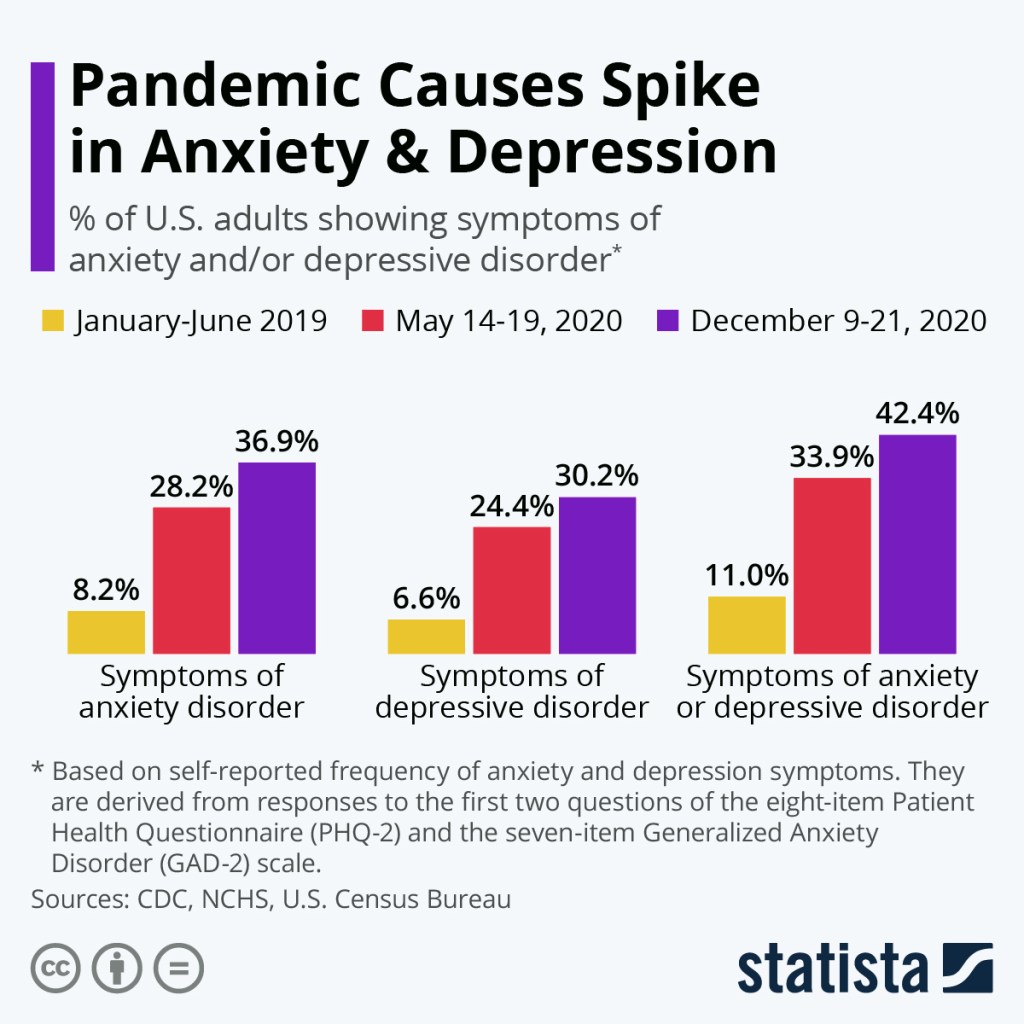
Increased rates of depression and anxiety during pandemic

According to the National Institute for Mental Health (NIMH), 7% of the U.S. population experienced an episode of clinical depression in 2017.  Rates of depression in the U.S. increased more than threefold following the onset of the COVID-19 pandemic in March 2020.  Levels of anxiety and stress have also escalated during this pandemic.  Increasing numbers of people are seeking mental health treatment due to these challenges.

Lifestyle, nutrition, and emotional well-being

How do we address emotional difficulties such as anxiety and depression? In addition to professional treatment, such as psychotherapy or medication, there are many lifestyle practices that support improved mental health.  For example, exercise and meditation are well-known for reducing depression and improving mood.  Social connections and engaging in pleasurable activities are also beneficial for thriving emotionally.

However, it is easy to overlook the impact of nutrition on mental health. And yet, should it surprise us that the same nutrient-dense plant foods that nourish our body also support our emotional thriving?  Several studies found that individuals who ate more servings of fruits and vegetables on a daily basis reported greater emotional well-being and life satisfaction, as well as less emotional distress, compared to those who ate lesser amounts.  These studies suggest that 7 to 10 servings per day may be optimal.

In addition, a study of young adults found that those who consumed more servings of fruits and vegetables scored higher on measures of emotional flourishing, including creativity and sense of purpose, than those who consumed lesser amounts.  And the same individuals reported higher levels of these positive mood states on the days they ate more fruits and vegetables compared to the days they ate lesser amounts.

Cross-sectional studies of vegans and vegetarians found that both of these groups demonstrated lower scores on measures of depression, anxiety, and emotional distress compared to omnivores.  In addition, omnivores who were asked to eliminate meat, poultry, and fish had improved mood scores after two weeks on a vegetarian diet, compared to control subjects who continued eating meat.

In a randomized, controlled study conducted in a corporate setting, participants who were instructed to eat a vegan diet for health and weight loss not only had improved health measures, but also had decreased depression and anxiety and improved emotional well-being compared to participants in a control group who did not change their diet. 

Why does a plant-based diet help mood?  Research suggests that the nutrients and antioxidants in whole plant foods promote a healthy balance of feel-good neurotransmitters.  In addition, plant foods have been shown to be anti-inflammatory, which appears to have a beneficial impact on mood.  In contrast, meat, eggs, dairy, and processed foods are associated with higher levels of inflammatory compounds, which may negatively impact mental and emotional states.

Greater happiness and peace

Evaluating my own personal experience, I have enjoyed greater overall happiness since starting a plant-based diet many years ago.  Based on the above research, I would guess that eating a healthier, high-nutrient diet, while reducing the processed and inflammatory foods that were previously part of my Standard American Diet, has contributed to my improved mood. 

But I have discovered emotional benefits beyond the biochemical effects of my food.  Going vegan has led to an inner transformation that is so much more than merely a change in diet.  Choosing not to consume animal products has contributed to a sense of freedom and peace that extends beyond the ups and downs of daily life.

Our well-being is interconnected with the health of the planet

While there are many things in life that we don’t have control over, we can make daily lifestyle choices to support our emotional resilience and well-being.  In addition to regular exercise, meditation, and meaningful social connections, we can enjoy a vegan diet packed with nutrient-dense plant foods.  And the bonus is that in choosing this life-nourishing diet, we also contribute to a more sustainable, healthy, and compassionate world.

Note: An adapted version of this article was published March 30, 2021 in Main Street Vegan Blog.

Angela Crawford, Ph.D. is a psychologist and transformational coach. She is passionate about empowering people to create lives that nurture body, mind, and spirit.  Dr. Crawford is certified as a Master Vegan Lifestyle Coach and Educator, and has a Plant-Based Nutrition certificate from the T. Colin Campbell Center for Nutrition Studies at eCornell.  She is currently doing research for a book on the emotional and psychological benefits of a vegan lifestyle.