A Compassionate Vegan Thanksgiving

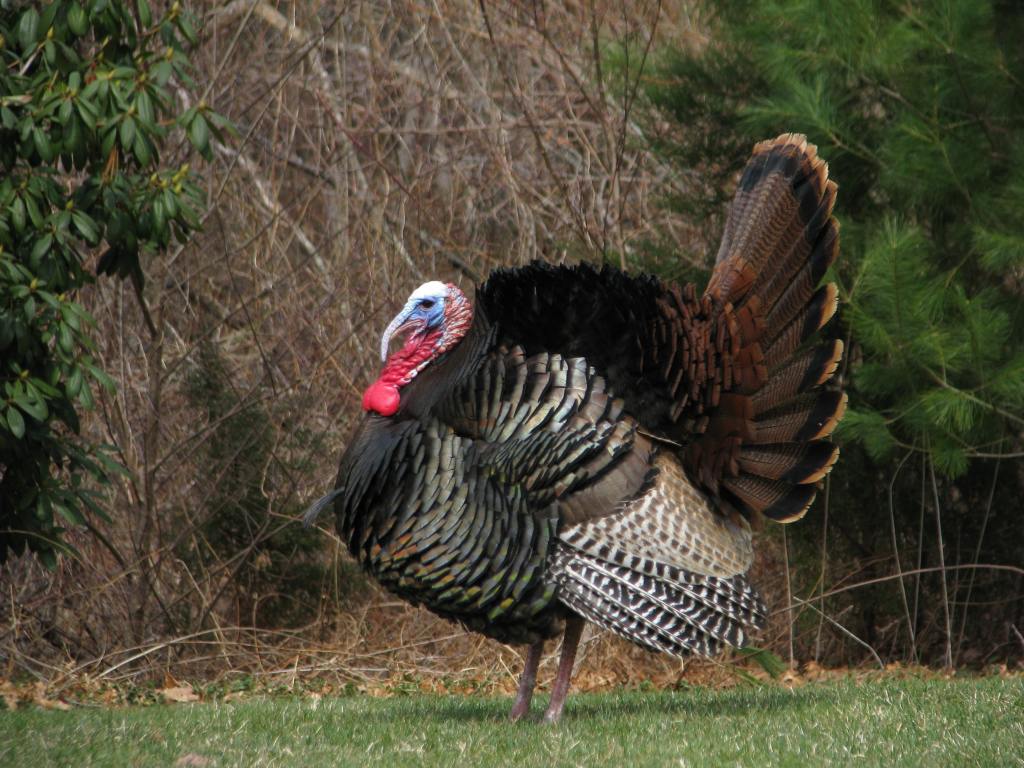
Turkey on grassy field
Photo by Suzy Brooks on Unsplash

What does Thanksgiving Day mean to you? Is it about time with family, expressing gratitude, or enjoying certain foods and traditions? How has the meaning of Thanksgiving changed for you over the years?

During my growing up years – perhaps you can relate – Thanksgiving was primarily a feast shared with loved ones, in which a turkey was the central part of the meal. When I became vegetarian several years ago (and vegan in 2019), it changed how I viewed Thanksgiving and what this holiday means to me.  I came to see the sentience and beauty of turkeys and other “farmed” animals – and feel incredibly sad about the suffering and lives of animals lost for this one meal. I have also come to appreciate the many delicious, plant-based, cruelty-free foods that I now enjoy.  

I still look forward to a shared meal with loved ones.  But now my scrumptious dishes are made from the plant kingdom.  And I try to view this day as a celebration of values such as compassion, appreciation, and gratitude. I invite you to explore – and perhaps rethink – what this day means to you.

Here are some ideas for enjoying a compassionate Thanksgiving:
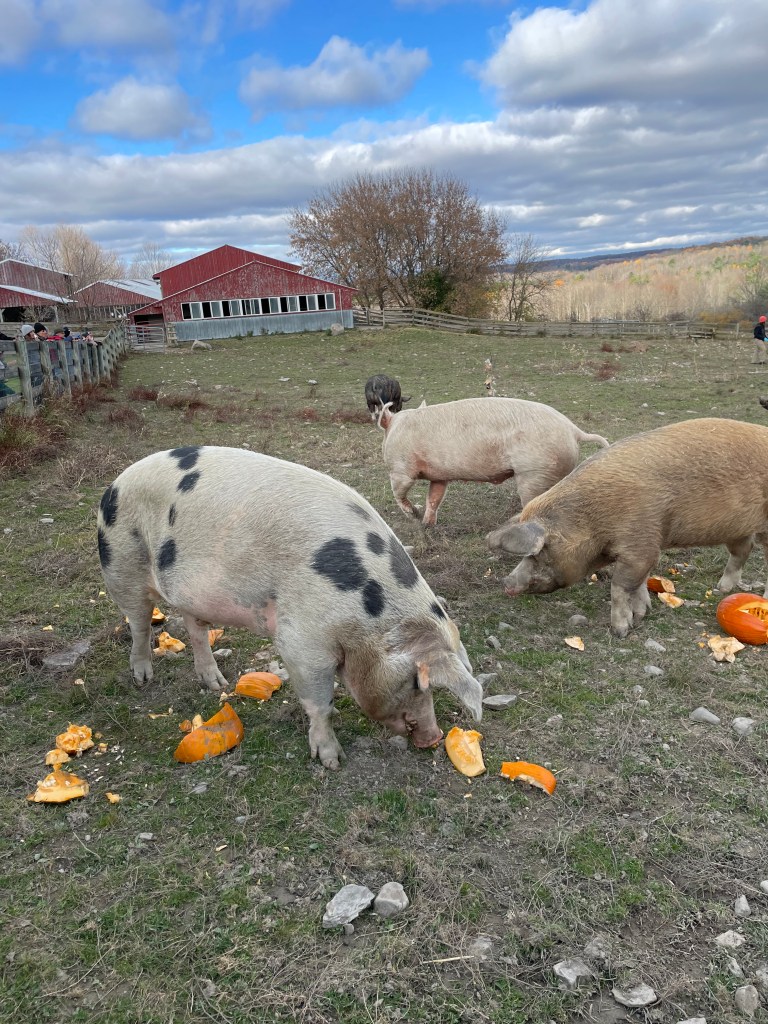
Photo by Angela Crawford – Farm Sanctuary

Rather than eating a turkey, “adopt” oneFarm Sanctuary (which has shelters in New York State and California) offers the option of symbolically adopting a rescued turkey by making a small donation. The funds provide food and care for turkeys living at the shelter.  Farm Sanctuary sends a certificate that includes a picture and the story of your adopted turkey. 

Visit an animal sanctuary. Some sanctuaries offer special events near Thanksgiving, such as Farm Sanctuary’s annual Celebration for the Turkeys. At this wonderful event, visitors enjoy quality time with the animal residents, along with staff, speakers, and other visitors who are committed to creating a just, compassionate, and sustainable food system. Last year I attended the Celebration at the Farm Sanctuary near Watkins Glen, NY. We watched the pigs enjoy a feast of pumpkins and the human visitors enjoyed a delicious plant-based holiday dinner. When I spend time with the animals at the sanctuary, I realize they have all the same qualities that we love in our companion cats and dogs – playfulness, the desire for affection, complex relationships, the desire to avoid pain, and their own unique personalities.

“People don’t consider farm animals loving and affectionate creatures, but once you raise them and see what they’re like – which is just like us – you get it.” – Donna Gervasi, co-owner of Grayrock Farm Sanctuary in Clinton, New Jersey (Press & Sun-Bulletin, 11/18/2024)

Enjoy an abundant feast from the plant kingdom.  Try out vegan versions of your traditional favorites.  This year, rather than cooking, my husband and I decided to order the Thanksgiving meal offered by our local vegan restaurant, Parlor City Vegan. In past years, we created delicious dishes such as roasted garlic mashed potatoes; mushroom gravy; sweet potato biscuits; roasted squash; cornbread stuffing; cranberry-orange relish; maple-glazed Brussels sprouts; and chocolate pecan pie. (I’m pretty sure we will be making that chocolate pecan pie again this year.)

Discover new recipes. If you aren’t sure where to get started with creating your own vegan feast, check out these wonderful resources for holiday recipes:

Consider a meat alternative.  Create a home-cooked main dish for the centerpiece, such as baked tofu, stuffed butternut squash, cauliflower “steak,” veggie pot pie, or shepherds pie. Or, if you would like a ready-made alternative that just needs to be heated in the oven, Gardein, Tofurky, and Field Roast offer plant-based holiday roasts you can enjoy. Sometimes I skip the “centerpiece” and just enjoy all the yummy vegan side dishes.

Connect with your reasons for eating plant-based.  Some of us go plant-based for health, others for ethical or environmental reasons. Being connected with your “WHY” can help you overcome any challenges on your veg journey. I became vegan for ethical reasons, and quickly learned about the health and environmental impacts of my food choices, which further strengthened my commitment. Ultimately, however, it is compassion for sentient beings that keeps me devoted to plant-based living. More than 46 million turkeys are bred and killed each year in the US for Thanksgiving alone. Commercially raised turkeys are bred to be much heavier than wild turkeys (so heavy they can barely walk or move). They live in confined, miserable conditions, and are slaughtered at only 12 to 19 weeks old.  Taking in these realities (and discovering that I could thrive with delicious, healthy plant-based foods) made me realize that I no longer wanted or needed to participate in this. 

Consider what Thanksgiving means to you.  Take time to explore your deeper meaning for the Thanksgiving holiday.  Many of us follow old traditions out of habit, rather than making a conscious decision about how we want to enjoy our holidays – or assessing which traditions still fit for us.  Although many refer to Thanksgiving as “turkey day,” is eating turkey really what this day is about? This year may be a perfect year to reevaluate your holidays, what they mean to you, and how you want to celebrate them.  Maybe you will want to keep some old traditions, modify others, and create new ones. Maybe you will want to honor compassion as a central theme in how you celebrate.

Take care of yourself emotionally. For many vegans and veg-seekers, holidays and social events that center around animal-based foods can be difficult. You may feel like you don’t fit in, now that you eat differently than the majority of people around you. And you may feel sadness, despair, or anger about animal suffering. Decide the best way for you to navigate holiday gatherings, whether that means bringing lots of great vegan food you can share, getting together for a vegan “friendsgiving,” or spending time with loved ones that is not centered around food. Check out my Vegan Communication Resource Guide for books, videos, and articles to help you with coping and communication strategies.

Practice gratitude.  Thanksgiving is a time to appreciate all the blessings in your life, and to share that appreciation with others.  Even in the midst of what is a challenging time for so many, we have reasons for gratitude. There are many health and psychological benefits of making a daily practice of acknowledging our blessings.

Make kind and compassionate purchases.  One way of appreciating our blessings is to pass them on to others.  In addition to donating time or money to causes that we care about, we can extend compassion to sentient beings and to workers by researching fair trade, cruelty-free, sustainable, and health-promoting choices for our food and gift purchases.  (Check out PETA and EWG for compassionate and sustainable buying options.) In addition, we can consciously shop at local or small businesses when possible. Our decision to extend compassion to others is a win-win situation, because ultimately it brings more health, fulfillment, and joy back to us.

Choosing compassion is not only kinder toward others, it is also strengthens our own well-being. We are wired for compassion – and when we expand our circle of compassion to include ourselves AND all sentient beings, it has the potential to heal our world.

WISHING YOU AND YOUR LOVED ONES A HEALTHY, JOYFUL, AND COMPASSIONATE THANKSGIVING!

Author holding book

Angela Crawford, Ph.D. is a psychologist, vegan educator, and plant-based culinary instructor. She is author of The Vegan Transformation: A Journey to Heal Yourself and the World (Lantern, 2025). The Vegan Transformation shares the healing benefits of a compassionate lifestyle and is available wherever you buy books.

Note:  This article was revised and updated from Vegan Thanksgiving 2024.

Emotional Self-Care for Vegans through the Holidays

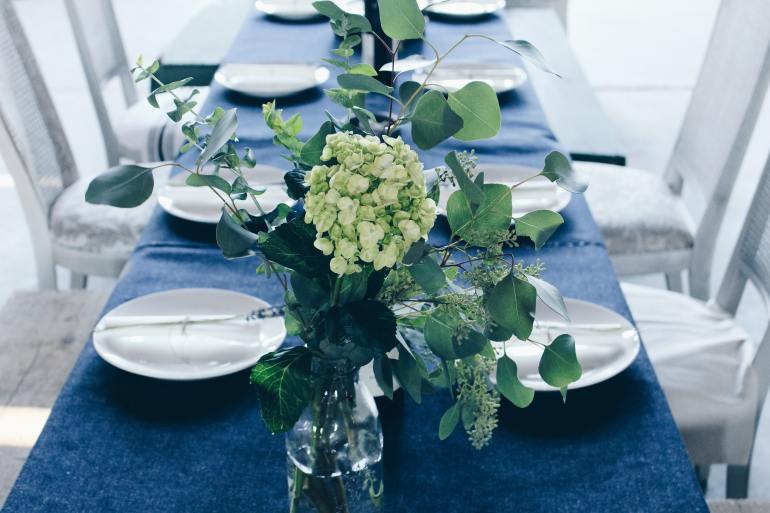
Table set with plates, flowers, and blue tablecloth
Photo by Paulette Wooten on Unsplash

While holidays are often a beautiful time of celebration and connection, they can also be rife with family expectations, unhealthy dynamics, and old emotional baggage. These “normal” holiday challenges can be intensified and magnified for those of us living a vegan lifestyle. We may feel like we are walking a delicate tightrope, surrounded by family gatherings, foods, and traditions that don’t align with our values. Under these circumstances, it’s easy to feel isolated, anxious, tense, and even emotionally drained. How can we maintain our peace while honoring our compassionate values? In this article, I discuss three key practices to navigate the holidays with grace and resilience (and maybe even a little joy sprinkled in).

First, before we dive in, I invite you to reflect: What social situations are most challenging for YOU during the holidays? Perhaps you are the only vegan in your family or social circle, and you feel isolated and unsupported. Perhaps you are not sure how to navigate social gatherings centered around animal foods. Or you feel frustrated by family tensions or conflicts. Whatever your holiday challenges, it can be incredibly helpful to proactively develop a plan for how to approach these.

You may wish to grab a note pad or journal to reflect on the questions and suggestions offered below. Consider your personal situation, goals, and desires – and create your own unique holiday self-care “prescription.”

1. Be intentional

Once we become vegan, we see the world very differently than we had previously. We now recognize animal foods (the “centerpiece” of many holiday meals) as the products of suffering, and no longer choose to purchase, eat, or partake in these. As we learn more about the impact of our choices (on animals, humans, the planet, and our own health), we move toward more mindful, conscious, healthy, and compassionate ways of living. Whether others are ready to join us yet or not, we can still be proactive in considering how we want to celebrate. We have the power to influence how our holidays will be.

I invite you to take a moment to envision your ideal holiday season. Take some time to dream and imagine. Who would you spend the time with during the holidays? What kinds of things would you focus on? What foods would you eat? What activities would you engage in? What are the values you want to live by and the mindsets you want to cultivate? Play out an “ideal” holiday, from when you get up to when you go to bed, using all your senses – sights, sounds, sensations, feelings, smells, and tastes.

Now, as you’ve visualized what your ideal holiday might look and feel like, let’s bring it down to a more tangible level. While your vision may or may not fully unfold, there are things you can do to help move in that direction. Reflect on the following questions:

  • What social events and family traditions do you want to continue to be part of?
  • Which events will you choose NOT to attend?
  • What new traditions would you like to create?
  • What vegan foods will you prepare and bring to events?
  • How will you incorporate time for rest, renewal, and self-care?
  • How will you communicate with non-vegan family and friends about the changes you would like to make?

Be creative in exploring solutions that work best for you. It may be as simple as bringing lots of great vegan dishes to social gatherings – ensuring that you have food to eat, while allowing others to discover how scrumptious plant-based cuisine can be. Or you may decline to attend certain gatherings, and instead, plan a vegan meal with friends. Perhaps you might get together with non-vegan family and friends later for a drink, vegan dessert, or movie. Maybe you will schedule some personal time for an activity you love. As you consider these questions and ideas, give yourself time to explore what feels best to you and to discover creative solutions.

2. Emotional self-care

No matter how beautifully you plan your holidays, you’re probably going to experience some anxiety, stress, tension, or frustration at some point. For many of us, holidays are already a stressful time, because there’s so much baggage attached to it. There are family expectations and dynamics, as well as cultural messages and expectations. This “normal” holiday stress can be magnified when we have experienced life changes or losses – or are living and eating differently than the majority of those around us. This means that having an emotional self-care plan for the holidays is essential.

Here again, being proactive can be hugely helpful in preparing for and thriving through the holidays. Take time to reflect (and journal) on the following questions:

  • Which holiday situations do you anticipate will likely bring up stress? How can you prepare for these situations?
  • What plan can you have for handling unexpected stressors? What techniques can you use in the moment to manage stress?
  • How can you implement ongoing self-care to lessen stress?
  • What self-talk and actions will nurture greater self-compassion?
  • How will you nourish yourself physically? (e.g., eating plenty of healthy whole plant foods, exercising, getting adequate sleep).
  • What support systems do you have in place?
  • What pleasurable activities will you enjoy? How can you take time to laugh, play, and enjoy the beauty of life?

Mindful self-awareness is an important foundation for healthy emotional self-care. Consider checking in with yourself periodically to ask these questions: What am I feeling? What do I need? Do I have the energy or bandwidth to continue this conversation or situation right now? Can I take a moment to pause and return to this later? What would nourish me right now, or what might I need to do later?

To navigate emotional stress more effectively, it helps to develop ongoing self-care practices (your self-care “prescription”). Choose a few practices that you are willing to commit to regularly, such as meditation, yoga, affirmations, breathing techniques, taking a walk, time in nature, journaling, time with companion animals, art, or music.

Based on the questions and suggestions above, what daily practices will you implement to relax, manage stress, and process emotions? Write out your holiday self-care prescription, including how and when you will implement these practices. (For additional suggestions, see my recent article on coping with difficult emotions.)

3. Healthy communication

As you explore new ways to navigate the holidays, ultimately you will need to communicate with others about your desired changes. In approaching these conversations, you may wish to reflect: What are creative ways to honor my values AND enjoy meaningful festivities with those I love? How can I communicate this in ways that allow me to be true to myself, while remaining connected to those I care about?

If you are a new vegan, this will include letting those close to you know that you are no longer eating animal products. You may need to explain that you will not be eating Grandma’s beloved pumpkin pie or Uncle Pete’s special pasta Bolognese. It’s important to recognize that for some people, sharing food is their way of sharing love. In these situations, it can be helpful to emphasize that you still love and value the other person(s) and your relationship – and that your decision to go vegan is a personal one, based on values such as ethics or health. You might offer to bring some vegan dishes to share and note that you are happy to provide more information about veganism or plant-based diets if they are interested.

There is an art to effective communication. In some situations, communication flows smoothly and naturally, and you don’t have to give it a lot of thought. However, some conversations can be emotionally charged, and therefore more challenging. Below are some suggestions for navigating these challenging conversations more effectively.

Set an intention for your communication.

The book Crucial Conversations emphasizes the importance of taking time to pause and clarify your intentions and desires before initiating important conversations. This allows you to connect with your Wise Brain, the part of your brain that holds emotional intelligence. Take a deep breath, and then ask yourself questions such as: “What do I really want here – for myself and for the other person? What do I want for the larger situation? What is the best way to express myself to create those results?” This reflection connects you with your deeper wishes, so you can be proactive, not reactive, in how you communicate. It helps to discern the right timing, words, tone, and body language to have a fruitful conversation.

Is your agenda healthy?

In her book, Beyond Beliefs: A Guide to Improving Relationships and Communication for Vegans, Vegetarians, and Meat Eaters, Dr. Melanie Joy discusses the importance of having healthy expectations and intentions for our communication. When we are focused on being “right,” or changing another person, this rarely leads to meaningful communication. Perhaps the healthiest intention for a conversation is greater mutual understanding. We may have secondary goals, but without mutual understanding, our conversation becomes more of a lecture or monologue, not a true interaction. We are each more likely to be touched and moved when we feel heard and understood. Our words will also have more impact, coming from a place of greater understanding and connection.

Communicate assertively, not passively or aggressively.

Assertive communication entails expressing your feelings and needs clearly and directly, in a way that is respectful of the other person as well as yourself. When you communicate assertively, you are honest about what you feel, where you stand, and what you would like to see happen, and at the same time, do this in a way that honors the dignity of the other person. Assertive communication is not just about words, but also about a respectful tone of voice, body language, and manner. It includes using “I-language,” and sharing your perspective and story so that others can better understand where you are coming from. It also involves active listening, to better understand the other’s concerns and perspectives. Assertive communication increases the likelihood of achieving greater mutual understanding and discovering creative solutions.

Passive communication, in contrast, is when we don’t speak up at all, or dance around the issues, rather than be clear and direct. Often this occurs when we are trying to please others or avoid conflict. When we are indirect, this may lead to misunderstandings, and even unintended conflict, because others can’t “read” our desires and intentions.

And then there’s aggressive communication, which comes across as hostile or threatening. It can range from speaking in an angry tone of voice, to name-calling, to verbal attacks, even to physical violence. Those on the receiving end of aggression tend to feel threatened, which triggers a fight-or-flight response, often leading to anger (fight), or to withdrawal (flight). Passive-aggressive behavior is a more subtle form of aggression, which can include sarcasm, ridicule, or sabotaging behaviors. If you’ve ever been on the receiving end of aggressive or passive-aggressive communication, consider how this made you feel. It’s safe to say that this style of communicating rarely lends itself to positive understanding or meaningful change.

Consider: How can you implement intentional, healthy, assertive communication to express your wishes, needs, and/or changes in holiday plans with loved ones? (Check out my Vegan Communication Resource list for additional resources to improve communication.)

Bringing it all together

In this article I’ve discussed three core strategies for navigating the holidays more peacefully: Being intentional and proactive, prioritizing emotional self-care, and implementing healthy communication skills. Developing these skills occurs over time and with practice. While being vegan in a not-yet-vegan world can bring up emotional and interpersonal challenges, it contributes to so much that is positive – for animals, the planet, and for our own health and peace of mind. In honoring our deepest values, and walking the path less traveled, veganism offers an opportunity to live more authentically in our relationship with ourself and with others. Living authentically may ulitimately enable us to navigate the holidays (and beyond) with greater grace, peace, fulfillment, and joy.

Check out my recent presentation on Emotional Self-Care for Vegans (available on YouTube) for additional tips on thriving emotionally through the holidays.

Angela Crawford, Ph.D. is a psychologist, transformational coach, vegan educator, and plant-based culinary instructor. She is author of The Vegan Transformation: A Journey to Heal Yourself and the World (Lantern, 2025).

Vegan Thanksgiving 2024

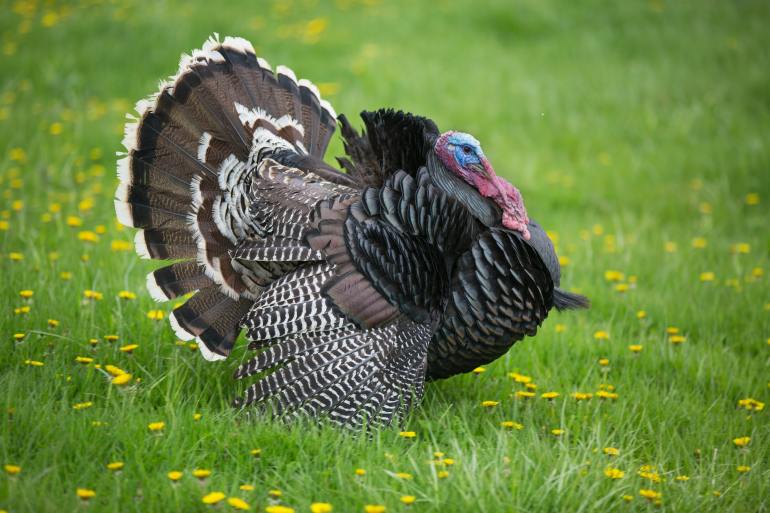
Turkey bird standing in grass, with plumage
Photo by Suzy Brooks on Unsplash

What does Thanksgiving Day mean to you? During my growing up years, Thanksgiving was centered around a feast shared with loved ones, in which a turkey was the central part of the meal. When I became vegetarian several years ago (and vegan in 2019), it changed how I viewed Thanksgiving and what this holiday means to me.  I now see the sentience and beauty of turkeys and other “farmed” animals – and feel incredibly sad about the lives of animals lost for this one meal, especially when there are many delicious, plant-based, cruelty-free alternatives.  

I still look forward to a shared meal with loved ones.  But now my scrumptious dishes are made from the plant kingdom.  And I try to view this day as a celebration of values such as compassion, appreciation, and gratitude. I invite you to explore – and perhaps rethink – what this day means to you.

Here are some ideas for enjoying a compassionate Thanksgiving:

Photo by Angela Crawford – Farm Sanctuary

Rather than eating a turkey, “adopt” oneFarm Sanctuary (which has shelters in New York State and California) offers the option of symbolically adopting a rescued turkey by making a small donation. The funds provide food and care for turkeys living at the shelter.  Farm Sanctuary sends a certificate that includes a picture and the story of your adopted turkey. 

Visit an animal sanctuary. Some sanctuaries offer special events near Thanksgiving, such as Farm Sanctuary’s annual Celebration for the Turkeys. At this wonderful event, visitors enjoy quality time with the animal residents, along with staff, speakers, and other visitors who are committed to creating a just, compassionate, and sustainable food system. This year I attended the Celebration at the Farm Sanctuary near Watkins Glen, NY. We watched the pigs enjoy a feast of pumpkins, the turkeys had their own private feast, and the human visitors enjoyed a delicious plant-based holiday dinner. When I spend time with the animals at the sanctuary, I realize they have all the same qualities that we love in our companion cats and dogs – playfulness, the desire for affection, complex relationships, the desire to avoid pain, and their own unique personalities.

“People don’t consider farm animals loving and affectionate creatures, but once you raise them and see what they’re like – which is just like us – you get it.” – Donna Gervasi, co-owner of Grayrock Farm Sanctuary in Clinton, New Jersey (Press & Sun-Bulletin, 11/18/2024)

Enjoy an abundant feast from the plant kingdom.  Try out vegan versions of your traditional favorites.  This year, rather than cooking, my husband and I decided to order the Thanksgiving meal offered by our local vegan restaurant, Parlor City Vegan. In past years, we created delicious dishes such as roasted garlic mashed potatoes; shitake mushroom gravy; sweet potato biscuits; roasted squash; cornbread stuffing; cranberry-orange relish; maple-glazed Brussels sprouts; and chocolate pecan pie. 

Discover new recipes. If you aren’t sure where to get started with creating your own vegan feast, check out these wonderful resources:

Consider a meat alternative.  Gardein, Tofurky, and Field Roast offer plant-based holiday roasts you can enjoy.  These options can provide a satisfying centerpiece to the meal.  Or create a home-cooked main dish for your centerpiece, such as baked tofu, stuffed butternut squash, veggie pot pie, or shepherds pie. (Or sometimes I just enjoy all the yummy vegan side dishes).

Connect with your reasons for eating plant-based.  Some of us go plant-based for health, others for ethical or environmental reasons. Being connected with your “WHY” can help you overcome any challenges on your veg journey. I became vegan for ethical reasons, and quickly learned about the health and environmental impacts of my food choices, which further strengthened my commitment. Ultimately, however, it is compassion for sentient beings that keeps me devoted to plant-based living. More than 46 million turkeys are bred and killed each year in the US for Thanksgiving alone. Commercially raised turkeys are bred to be much heavier than wild turkeys (so heavy they can barely walk or move). They live in confined, miserable conditions, and are slaughtered at only 12 to 19 weeks old.  Taking in these realities (and discovering the abundance of delicious, healthy plant-based options) made me realize that I no longer wanted or needed to participate in this. 

Consider what Thanksgiving means to you.  Take time to explore your deeper meaning for the Thanksgiving holiday.  Many of us follow old traditions out of habit, rather than making a conscious decision about how we want to enjoy our holidays.  This year may be a perfect year to reevaluate your holidays, what they mean to you, and how you want to celebrate them.  Maybe you will want to keep some old traditions, modify others, and create new ones.

Take care of yourself emotionally. For many vegans, holidays and social events that center around animal-based foods can be difficult. You may feel like you don’t fit in, now that you eat differently than the majority of people around you. And you may feel sadness, despair, or anger about animal suffering. Decide the best way for you to navigate the holidays, whether that means not attending a holiday gathering, having a friendsgiving with vegan friends, or bringing lots of great vegan food you can share. Check out my Vegan Communication Resource Guide for books, videos, and articles to help you with coping and communication strategies.

Practice gratitude.  Thanksgiving is a time to appreciate all the blessings in your life, and to share that appreciation with others.  Even in the midst of what is a challenging time for so many, we have reasons for gratitude.  There are many health and psychological benefits of making a daily practice of acknowledging our blessings.

Make kind and compassionate purchases.  One way of appreciating our blessings is to pass them on to others.  In addition to donating time or money to causes that we care about, we can extend compassion to sentient beings and to workers by researching fair trade, cruelty-free, sustainable, and health-promoting choices for our food and gift purchases.  Our decision to extend compassion to others is a win-win situation, because ultimately it brings more health, fulfillment, and joy back to us.

WISHING YOU AND YOUR LOVED ONES A HEALTHY, JOYFUL, AND COMPASSIONATE THANKSGIVING!

Photo by Angela Crawford – Farm Sanctuary

Angela Crawford, Ph.D. is a psychologist, transformational coach, vegan educator, and plant-based culinary instructor. She is author of The Vegan Transformation: A Journey to Heal Yourself and the World (Lantern, 2025).

Note:  This article was revised and updated from Vegan Thanksgiving (11/25/2020), Enjoying a Vegan Thanksgiving (11/22/2021), and Vegan Thanksgiving 2022 (11/18/2022).

Turkey on grassy field

Enjoying a Vegan Thanksgiving

Wild turkey with beautiful plumage
Photo by Randy Fath on Unsplash

I have to acknowledge that Thanksgiving Day is not always easy for me as a vegan.  When I adopted a plant-based diet 15 years ago, it changed how I viewed Thanksgiving and what this holiday means to me.  I feel sad about the lives of animals lost for this one meal, especially when there are so many delicious, plant-based, cruelty-free alternatives.  

I still look forward to the shared meal with family.  But now my scrumptious dishes are made from the plant kingdom.  And I try to view this day as a celebration of values such as compassion, appreciation, and gratitude.

Here are some ideas for enjoying a compassionate Thanksgiving:

  • Rather than eating a turkey, “adopt” oneFarm Sanctuary (which has shelters in New York State and California) offers the option of symbolically adopting a rescued turkey by making a small donation.  The funds provide food and care for turkeys living at the shelter.  Farm Sanctuary sends a certificate that includes a picture and the story of your adopted turkey. 
  • Enjoy an abundant feast from the plant kingdom.  For the Thanksgiving meal, I like to bring vegan versions of traditional favorites.  This year, my husband and I will be contributing roasted garlic mashed potatoes and parsnips; shitake mushroom gravy; sweet potato biscuits; cranberry-orange relish; maple-glazed Brussels sprouts; and chocolate “cream” pie.  There are many great vegan Thanksgiving recipes available on-line.  Here are a few websites to check out:
  • Consider a meat alternative.  Gardein, Tofurky, and Field Roast offer plant-based holiday roasts you can enjoy.  These options can provide a satisfying centerpiece to the meal.  (This year, we are going to try Field Roast which comes with sage stuffing and porcini mushroom gravy).
  • Connect with your reasons for eating plant-based.  Some of us go plant-based for health, others for ethical or environmental reasons.  I was influenced by all of these considerations, but have stayed committed due to compassion for all sentient beings.  Approximately 46 million turkeys are bred and killed each year in the US for Thanksgiving alone.  Commercially raised turkeys are bred to be much heavier than wild turkeys, live in confined conditions, and are slaughtered at only 12 to 19 weeks old.  Taking in these realities (and discovering the abundance of delicious, healthy plant-based options) made me realize that I no longer wanted or needed to participate in this. 
  • Consider what Thanksgiving means to you.  Take time to explore your deeper meaning for the Thanksgiving holiday.  Many of us follow old traditions out of habit, rather than making a conscious decision about how we want to enjoy our holidays.  This year may be a perfect year to reevaluate your holidays, what they mean to you, and how you want to celebrate them.  Maybe you will want to keep some old traditions, modify others, and create new ones.
  • Practice gratitude.  I am reminding myself this Thanksgiving to appreciate all the blessings in my life, and to share that appreciation with others.  Even in the midst of what is a challenging time for so many, we all have reasons for gratitude.  In addition, there are many health and psychological benefits of making a daily practice of acknowledging our blessings.
  • Make kind and compassionate purchases.  One way of appreciating our blessings is to pass them on to others.  In addition to donating time or money to causes that we care about, we can extend compassion to sentient beings and to workers by researching fair trade, cruelty-free, sustainable, and health-promoting choices for our food and gift purchases.  Our decision to extend compassion to others is a win-win situation, because ultimately it brings more health, fulfillment, and joy back to us.

WISHING YOU AND YOUR LOVED ONES A HEALTHY, JOYFUL, AND COMPASSIONATE THANKSGIVING!

Note:  This article was revised and updated from Vegan Thanksgiving published on 11/25/2020

Angela Crawford, Ph.D. is a psychologist, transformational coach, and vegan lifestyle educator.