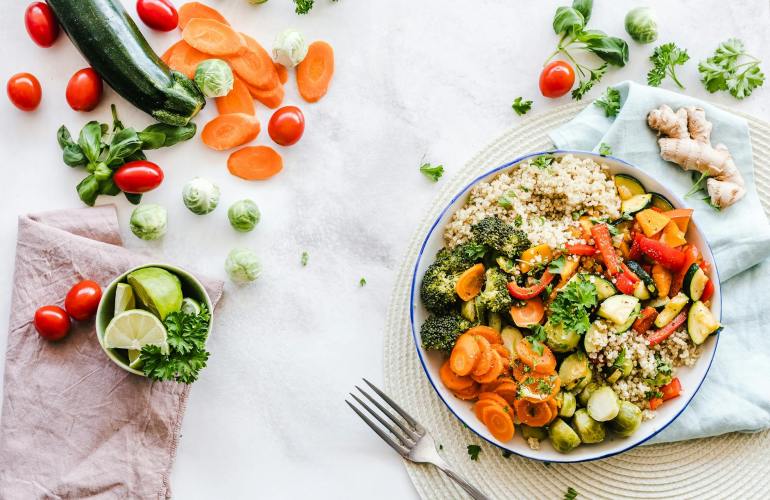
Vegetables on plate

From Comfort Food to Conscious Living: My Journey into The Vegan Transformation

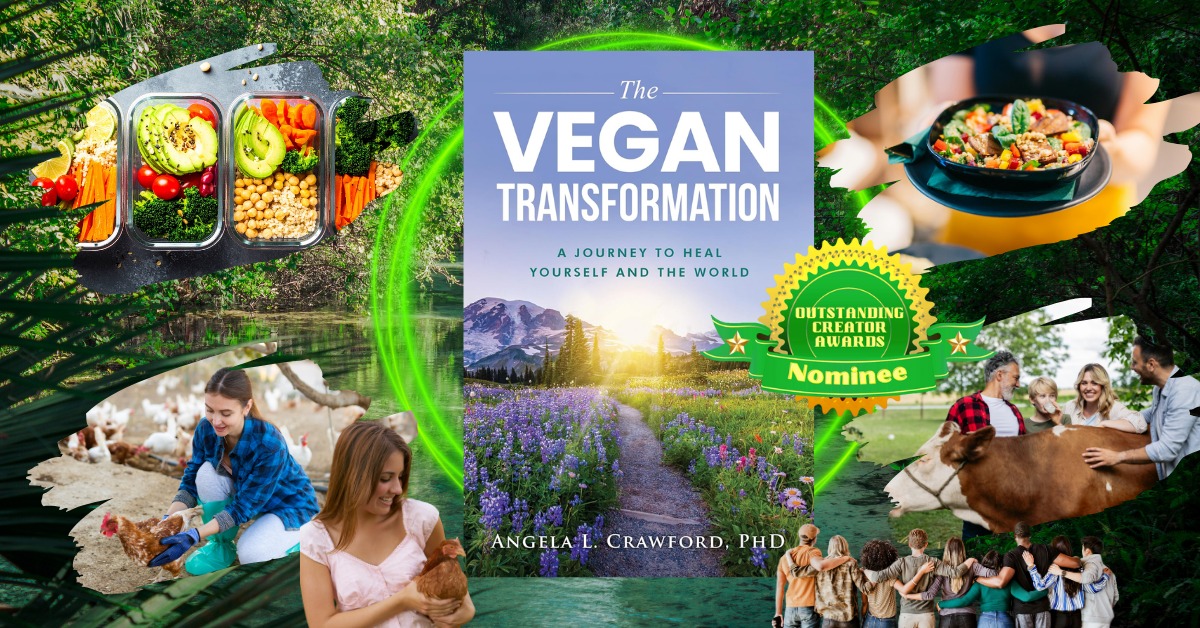
Graphic by Outstanding Creator Awards

Going vegan was a transformation I didn’t see coming.

I grew up in small-town Iowa, in the heart of farm country. I was aware of the farms around me – but had very little awareness of how my food was produced, or the realities of animal agriculture. Plus, I had personal issues that blocked me from looking more deeply…Issues like food addictions and comfort eating. I ate what was convenient, comforting, and tasty. And like many of us, I was confused by the conflicting messages about what was truly healthy.

So even though I was a psychotherapist, empowering clients to make healthy lifestyle changes, I knew little about the power of nutrition – and I myself wasn’t eating in a very healthy way. While I knew it would benefit me to eat more fruits and vegetables, most often I chose frozen microwave dinners, salty snacks, and chocolate bars. In addition, my Midwestern upbringing taught me that meat and dairy were absolute necessities. I had meat for most of my meals, and thought something was missing if it wasn’t there. I thought I needed it for energy, to have enough protein, and to balance out my sugar highs.

Then in late 2006, I had what I think of as my awakening. I saw a program on PBS about working conditions for employees in a meat processing plant, which got me thinking about how my food got to me. Even though the program did not show any gory details about “meat processing,” I felt empathy for the workers and the terrible conditions and injuries they endured. And very soon, this led me to think, “Well, if you don’t like how the workers are treated, what do you think happens to the animals?”  

The very next day, I bought my first plant-based cookbook and cooked my first vegetarian recipe – a spinach, red pepper, and artichoke lasagna. It was delicious – and even though I hadn’t enjoyed cooking before, suddenly it became a fulfilling adventure. I discovered an array of beautiful, colorful, and flavorful plant-sourced ingredients – fruits, vegetables, legumes, whole grains, nuts, seeds, spices and herbs, and all kinds of flavorings and condiments.

I began reading everything I could about the ethical, health, nutritional, and environmental impacts of our food choices. These discoveries led me to go vegetarian within a couple of months of watching this PBS program. Once I understood (and emotionally connected with) the animal suffering and cruelty inherent in factory farming and industrialized slaughter, I just couldn’t eat meat anymore.

Over time, after further reading and watching videos, I came to see all the ways humans harm and exploit animals (e.g., the egg and dairy industries; leather, wool, and down; research and testing; entertainment). Something shifted in me. I broke through my disconnection and dissociation about the animal harm and exploitation in so many industries – and took a stand to do my best not to contribute to this. I made the decision to go vegan in early 2019, and when I did, so much opened up inside of me.

I felt a sense of freedom and lightness that surprised me. I found greater authenticity, a sense of meaning and purpose, and connections with like-hearted others across the globe. I went from being a very private introvert, to being much more willing to be out there in the world, starting a blog and doing public speaking about thriving with a vegan lifestyle.

Even though it was emotionally painful to connect with the suffering of animals – and the reality that many people seem unwilling to make changes that would lessen this suffering – I also felt freer and more empowered when I acknowledged what I must have known deep down. I hadn’t previously realized the weight I felt when eating animal products, but once I shifted to a plant-powered diet, I felt noticeably lighter and more peaceful.

I also felt more empowerment over my personal health and well-being, as I learned about the benefits of a plant-based diet for preventing and reversing many common chronic diseases of our time. Learning about the research of Drs. Dean Ornish and Caldwell Esselstyn showing that a whole food, vegan diet can help to prevent and reverse heart disease was super-empowering, especially given my strong family history of cardiovascular issues.

And somewhat to my surprise, I found it much easier to make healthier food choices. As I ate high-nutrient plant foods on a regular basis (fruits, veggies, legumes, nuts, and whole grains), many of my cravings for addictive and less healthy foods seemed to fade. (I still love chocolate, but find myself satisfied with small qualities of high-quality dark chocolate rather than the large bags of milk chocolate candies that I ate years ago.)

I also discovered that there is a strong connection between what we eat and our emotional well-being. I dove into the research and learned that an anti-inflammatory, high-fiber plant food diet helps to boost our brain, nervous system, and gut health. (You can learn more about this in my recent podcast interview on Food and Mood).

It has been deeply fulfilling to realize how so many things I care about are interconnected. Choosing to honor my compassion by no longer eating animal products also turned out to be an act of compassion for my own well-being, for other humans, and for our planet.

My own transformation – and that of other vegans I met through networking groups – led me to research and write my recently released book, The Vegan Transformation: A Journey to Heal Yourself and the World. I had read a lot about the health benefits of a plant-based diet, and about the ethical reasons for going vegan. But I hadn’t seen much about the emotional and spiritual benefits of this lifestyle. What changes do we experience internally, psychologically, and spiritually when we honor our values and our compassion, and take this road less traveled?

I created an online survey in 2021, which was completed by about 350 vegans. I followed up with 75 in-depth interviews. From these surveys and interviews, I identified seven core transformative pillars: Values alignment; expanding compassion; meaning and purpose; authentic fulfillment; meaningful connections with others; health empowerment; and spiritual deepening. The book shares these pillars, along with stories from my interviewees that illustrate them. I also explain why these transformative themes matter – from the lens of positive psychology, health psychology, and lifestyle medicine.

Learning the stories of other vegans through these interviews and surveys was incredibly uplifting for me – because even though it can certainly be challenging to be vegan in a non-vegan world, it is also deeply fulfilling and healing for many of us. I was struck by how, for many vegans, sharing this lifestyle became central to their purpose and mission.

The year I became vegan, 2019, was dubbed “The Year of the Vegan.” It was an era of heightened interest in vegan and plant-based lifestyles. Right now (in late 2025), the forces of society do not feel so supportive for veganism, even compared to a couple of years ago when I was deep into writing the book. But I continue to hold on to the vision of a compassionate, healthy, vegan world – a world where we end exploitation and unnecessary harm to animals, where we recognize that all sentient beings matter, where we care for one another, ourselves, and our planet.

I invite you to imagine – what would this healthy, compassionate world look like and feel like for you? Take a moment to imagine a world where we are kind to one another and to all beings, where we are healthy in mind-body-spirit, and where we find creative and harmonious solutions to care for the world we live in. Consider how holding that vision daily might uplift you and energize you – even when you face discouraging times and it seems the world will never change. (Here is a link to my guided meditation of “Visioning a Compassionate Vegan World.”)

I truly believe that we are called to expand our circle of compassion – and to bring our unique selves and gifts to serve. We each have something to contribute. And often that starts with our everyday choices – the ones we may have once taken for granted. We come to see that with each meal, and with each conscious and intentional choice, we become – and inspire – the compassionate change we want to see in the world.

NOTE: This article is an adaptation of my presentation for The Vegan Transformation launch celebration. You can watch the presentation on YouTube here.

To learn more about the transformative themes, stories, and research shared in this article, check out my book, The Vegan Transformation, available in paperback, e-book, and audiobook at major booksellers.

The graphic at the top of the page was created by Outstanding Creator Awards, who reviewed The Vegan Transformation and awarded it first place in several categories.
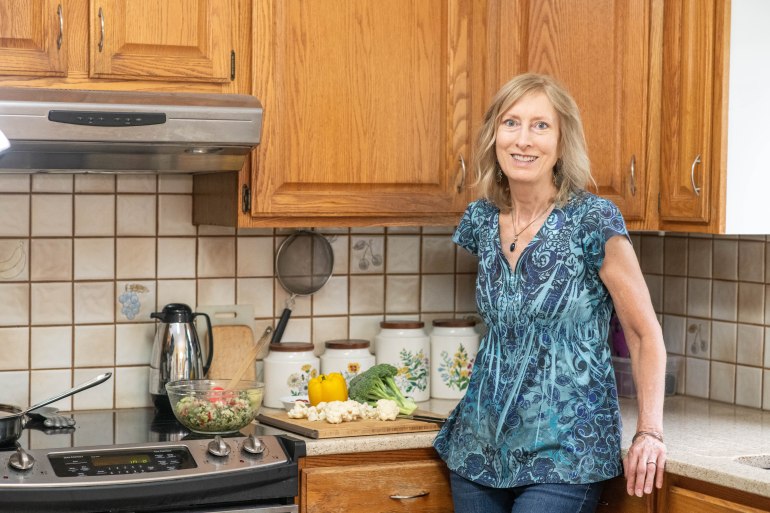
Author standing in kitchen with vegetables on counter

Angela Crawford, Ph.D. is a psychologist, vegan educator, and PCRM Food for Life instructor. She is author of The Vegan Transformation: A Journey to Heal Yourself and the World (Lantern, 2025). The Vegan Transformation is a winner of the Outstanding Creator Awards and Vegan Choice Award, and is available at major booksellers.

A Compassionate Vegan Thanksgiving

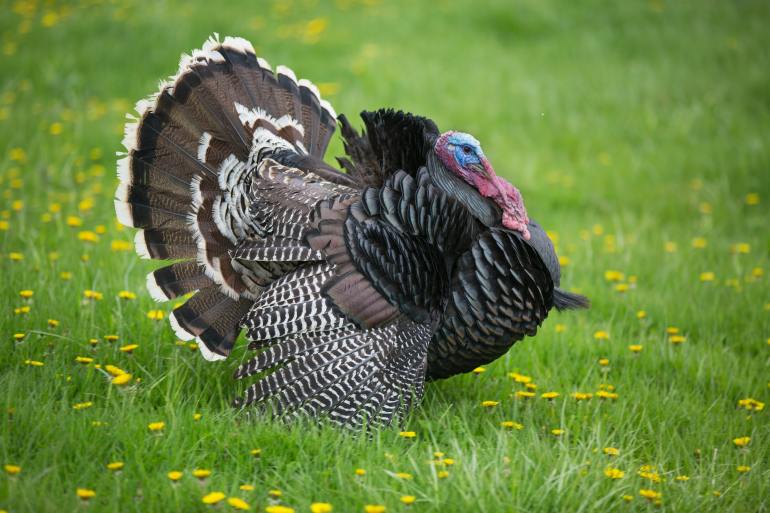
Turkey on grassy field
Photo by Suzy Brooks on Unsplash

What does Thanksgiving Day mean to you? Is it about time with family, expressing gratitude, or enjoying certain foods and traditions? How has the meaning of Thanksgiving changed for you over the years?

During my growing up years – perhaps you can relate – Thanksgiving was primarily a feast shared with loved ones, in which a turkey was the central part of the meal. When I became vegetarian several years ago (and vegan in 2019), it changed how I viewed Thanksgiving and what this holiday means to me.  I came to see the sentience and beauty of turkeys and other “farmed” animals – and feel incredibly sad about the suffering and lives of animals lost for this one meal. I have also come to appreciate the many delicious, plant-based, cruelty-free foods that I now enjoy.  

I still look forward to a shared meal with loved ones.  But now my scrumptious dishes are made from the plant kingdom.  And I try to view this day as a celebration of values such as compassion, appreciation, and gratitude. I invite you to explore – and perhaps rethink – what this day means to you.

Here are some ideas for enjoying a compassionate Thanksgiving:

Photo by Angela Crawford – Farm Sanctuary

Rather than eating a turkey, “adopt” oneFarm Sanctuary (which has shelters in New York State and California) offers the option of symbolically adopting a rescued turkey by making a small donation. The funds provide food and care for turkeys living at the shelter.  Farm Sanctuary sends a certificate that includes a picture and the story of your adopted turkey. 

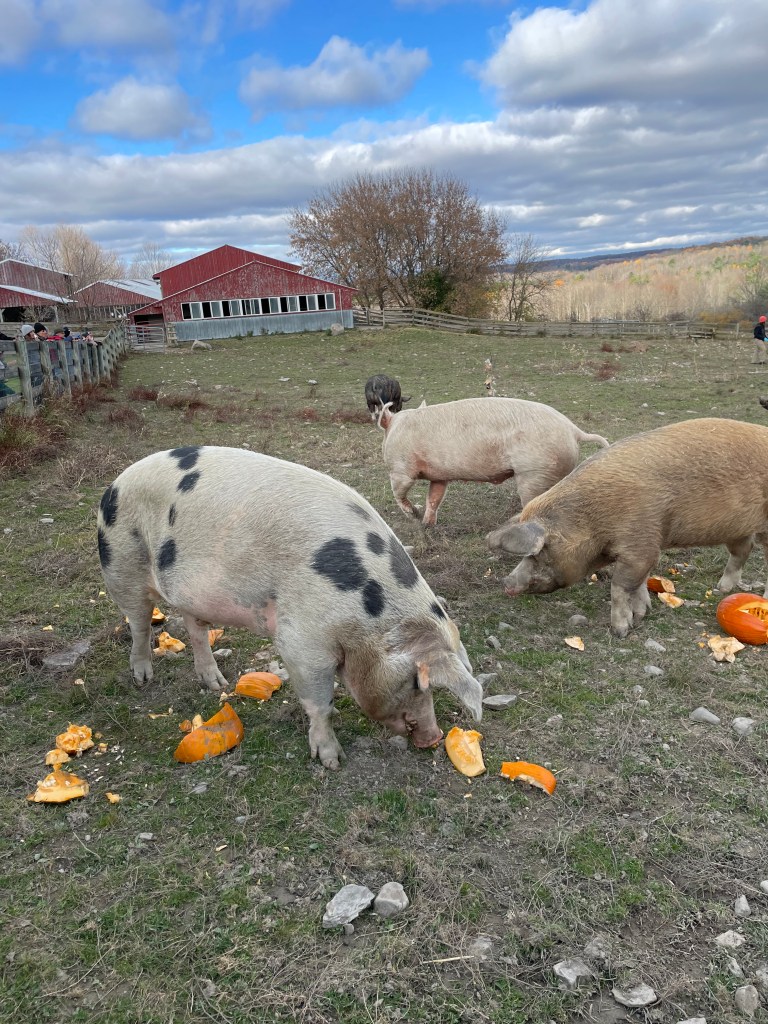
Visit an animal sanctuary. Some sanctuaries offer special events near Thanksgiving, such as Farm Sanctuary’s annual Celebration for the Turkeys. At this wonderful event, visitors enjoy quality time with the animal residents, along with staff, speakers, and other visitors who are committed to creating a just, compassionate, and sustainable food system. Last year I attended the Celebration at the Farm Sanctuary near Watkins Glen, NY. We watched the pigs enjoy a feast of pumpkins and the human visitors enjoyed a delicious plant-based holiday dinner. When I spend time with the animals at the sanctuary, I realize they have all the same qualities that we love in our companion cats and dogs – playfulness, the desire for affection, complex relationships, the desire to avoid pain, and their own unique personalities.

“People don’t consider farm animals loving and affectionate creatures, but once you raise them and see what they’re like – which is just like us – you get it.” – Donna Gervasi, co-owner of Grayrock Farm Sanctuary in Clinton, New Jersey (Press & Sun-Bulletin, 11/18/2024)

Enjoy an abundant feast from the plant kingdom.  Try out vegan versions of your traditional favorites.  This year, rather than cooking, my husband and I decided to order the Thanksgiving meal offered by our local vegan restaurant, Parlor City Vegan. In past years, we created delicious dishes such as roasted garlic mashed potatoes; mushroom gravy; sweet potato biscuits; roasted squash; cornbread stuffing; cranberry-orange relish; maple-glazed Brussels sprouts; and chocolate pecan pie. (I’m pretty sure we will be making that chocolate pecan pie again this year.)

Discover new recipes. If you aren’t sure where to get started with creating your own vegan feast, check out these wonderful resources for holiday recipes:

Consider a meat alternative.  Create a home-cooked main dish for the centerpiece, such as baked tofu, stuffed butternut squash, cauliflower “steak,” veggie pot pie, or shepherds pie. Or, if you would like a ready-made alternative that just needs to be heated in the oven, Gardein, Tofurky, and Field Roast offer plant-based holiday roasts you can enjoy. Sometimes I skip the “centerpiece” and just enjoy all the yummy vegan side dishes.

Connect with your reasons for eating plant-based.  Some of us go plant-based for health, others for ethical or environmental reasons. Being connected with your “WHY” can help you overcome any challenges on your veg journey. I became vegan for ethical reasons, and quickly learned about the health and environmental impacts of my food choices, which further strengthened my commitment. Ultimately, however, it is compassion for sentient beings that keeps me devoted to plant-based living. More than 46 million turkeys are bred and killed each year in the US for Thanksgiving alone. Commercially raised turkeys are bred to be much heavier than wild turkeys (so heavy they can barely walk or move). They live in confined, miserable conditions, and are slaughtered at only 12 to 19 weeks old.  Taking in these realities (and discovering that I could thrive with delicious, healthy plant-based foods) made me realize that I no longer wanted or needed to participate in this. 

Consider what Thanksgiving means to you.  Take time to explore your deeper meaning for the Thanksgiving holiday.  Many of us follow old traditions out of habit, rather than making a conscious decision about how we want to enjoy our holidays – or assessing which traditions still fit for us.  Although many refer to Thanksgiving as “turkey day,” is eating turkey really what this day is about? This year may be a perfect year to reevaluate your holidays, what they mean to you, and how you want to celebrate them.  Maybe you will want to keep some old traditions, modify others, and create new ones. Maybe you will want to honor compassion as a central theme in how you celebrate.

Take care of yourself emotionally. For many vegans and veg-seekers, holidays and social events that center around animal-based foods can be difficult. You may feel like you don’t fit in, now that you eat differently than the majority of people around you. And you may feel sadness, despair, or anger about animal suffering. Decide the best way for you to navigate holiday gatherings, whether that means bringing lots of great vegan food you can share, getting together for a vegan “friendsgiving,” or spending time with loved ones that is not centered around food. Check out my Vegan Communication Resource Guide for books, videos, and articles to help you with coping and communication strategies.

Practice gratitude.  Thanksgiving is a time to appreciate all the blessings in your life, and to share that appreciation with others.  Even in the midst of what is a challenging time for so many, we have reasons for gratitude. There are many health and psychological benefits of making a daily practice of acknowledging our blessings.

Make kind and compassionate purchases.  One way of appreciating our blessings is to pass them on to others.  In addition to donating time or money to causes that we care about, we can extend compassion to sentient beings and to workers by researching fair trade, cruelty-free, sustainable, and health-promoting choices for our food and gift purchases.  (Check out PETA and EWG for compassionate and sustainable buying options.) In addition, we can consciously shop at local or small businesses when possible. Our decision to extend compassion to others is a win-win situation, because ultimately it brings more health, fulfillment, and joy back to us.

Choosing compassion is not only kinder toward others, it is also strengthens our own well-being. We are wired for compassion – and when we expand our circle of compassion to include ourselves AND all sentient beings, it has the potential to heal our world.

WISHING YOU AND YOUR LOVED ONES A HEALTHY, JOYFUL, AND COMPASSIONATE THANKSGIVING!

Author holding book

Angela Crawford, Ph.D. is a psychologist, vegan educator, and plant-based culinary instructor. She is author of The Vegan Transformation: A Journey to Heal Yourself and the World (Lantern, 2025). The Vegan Transformation shares the healing benefits of a compassionate lifestyle and is available wherever you buy books.

Note:  This article was revised and updated from Vegan Thanksgiving 2024.

people holding and cutting vegetables

Support on Your Vegan Path

Photo by Maarten van den Heuvel on Pexels.com

One of the most important – but often overlooked – aspects of thriving with a plant-powered, vegan lifestyle is having a strong support network. Research suggests that social challenges are among the most common reasons for straying from a plant-based lifestyle. Many find it hard to eat differently than those in their social circle, to be the “odd one out.” Having a social network with other vegans appears to strengthen our commitment and adherence. It also brings joy and fulfillment, as we connect with like-hearted others. Supportive social relationships have been hugely important on my journey, as well as for many of the vegans I interviewed for my recently released book, The Vegan Transformation: A Journey to Heal Yourself and the World (Lantern, 2025).

To experience the transformation that is possible with a vegan lifestyle, we can’t do it alone. We need others we can talk to, and share our hopes, dreams, and challenges. These supportive relationships inspire and uplift us. They give us hope and strengthen our commitment during challenging times. They empower and encourage us. In many cases, they collaborate toward a shared vision, whether to be more healthy, awaken spiritually, advocate for animals, or heal our planet.

Learning to build supportive connections with other vegans, as well as with non-vegan friends and family, is important for thriving with your plant-powered lifestyle. Below are five tips for building greater social fulfillment and connection: 

  1. Join vegan networks or groups. Whether online or in person, it’s important to create vegan friendships where you feel supported, nurtured, and inspired. This may include online meetings, plant-based conferences, local meet-ups, or volunteering for a vegan or animal rights organization.These networks provide a safe space to share feelings and receive support. It isn’t the size of network that is most important; even a few vegan friends can make a huge difference. You can find these networks through searching online, on social media, or connecting with a local plant-based Building Healthy Communities group.
  2. Be okay with being different. This is a big one—because eating plant-based is still a minority lifestyle, and for many of us, it isn’t easy to go against the status quo. We are biologically wired to want to fit in and avoid social rejection. Some people are more naturally rebellious and may not find this as difficult, but for many, it can be a major struggle. Thriving vegans discover how to shift their mindset around the idea of being “different.” It’s important to connect with a strong WHY for your choice to be vegan. What motivated you to choose a vegan lifestyle? Staying connected with these motivations strengthens you to hold your beliefs in the face of social pressures. This will empower you to speak up and honor your values with courage and integrity.
  3. Learn to speak up assertively and effectively. Thriving vegans develop the ability to express their feelings, needs, and perspectives in ways that create heart-felt dialogue. Unfortunately, many of us lack the ability to skillfully navigate differences, and this leads to unresolved conflicts and emotional cut-offs. Many of us fall into extremes of being too passive (people-pleasing and avoiding conflict) – or too aggressive (speaking out in angry or hostile ways), rather than being assertive (speaking up clearly, directly, and respectfully). Thriving vegans work to develop healthy communication skills. These skills empower you to set boundaries around which situations you are willing (or not willing) to be part of and explore new ways to connect with those you love, including replacing old traditions that center around animal foods. (See my Resource List for books and resources on improving communication).
  4. Create vegan allies. Even when your loved ones are not willing to go plant-based along with you, you can request their support for your journey. In her book Beyond Beliefs, Dr. Melanie Joy emphasizes the value of cultivating vegan “allies” who understand and support your vegan choice. These are people who, although not necessarily vegan themselves, do not undermine your choice to be vegan, and advocate for you when you need support. This is important because you are more likely to thrive on your journey when others are supportive and understand why a vegan lifestyle matters to you. Asking someone to be an ally lessens the likelihood they will try to sabotage your lifestyle – and invites them to be more receptive to learn about veganism, because they are not feeling personally pressured or judged.
  5. Planting seeds for positive change. Focus on being a positive role model who embodies the compassion and well-being you wish to inspire in others. Rather than staying stuck in frustration when others are not willing to change, realize that everyone has their own journey. Pressuring or criticizing others rarely works to create personal or social transformation. At the same time, you can plant seeds that will help others, never knowing when those seeds may take root. As you embody a healthy, fulfilling, plant-powered lifestyle, you never know who you may inspire, and what transformations may unfold.

Developing meaningful connections is one of the joys that can come with discovering your passion for vegan living, and sharing this with others. Our connections strengthen us, bring fulfillment, and inspire us to be better versions of ourselves. Strengthening our skills for healthy relating, navigating differences, and nurturing support helps to create a healthy and fulfilling life, and a thriving, joyful vegan lifestyle.

NOTE: Excerpt adapted from The Vegan Transformation: A Journey to Heal Yourself and the World by Angela Crawford, Ph.D. Parts of this article were also shared with Vedge Your Best podcast and newsletter. CLICK HERE to listen to my interview on Vedge Your Best podcast.

Angela Crawford, Ph.D. is a psychologist, vegan educator, transformational coach, and Food for Life instructor. She is author of The Vegan Transformation: A Journey to Heal Yourself and the World (Lantern, April 2025). She also hosts a YouTube channel, @The Vegan Transformation.

Mountains with sun shining behind them.

Discovering the Vegan Transformation

Photo by Sagui Andrea on Pexels.com

Have you ever felt pulled to make some kind of life change, maybe even a change that surprised you? Maybe it was an inner knowing that it was time to start down a new career path, end a relationship, or finally take charge of your health. You may have felt an inner call, a sense that you needed to take action, even though you weren’t sure exactly how it would all work out. Or perhaps circumstances lined up so that you saw no other choice but to launch onto a new, unknown, and uncertain path. This call from the deepest parts of us often gives us the opportunity to become a truer version of ourselves. It can lead us down pathways that initially we are somewhat hesitant to take, but ultimately seem very right, even exhilarating.

—Angela L. Crawford, Ph.D. (From The Vegan Transformation: A Journey to Heal Yourself and the World, 2025)

I’ve experienced an inner calling, drawing me to unforeseen paths, many times in my life. This led me to change majors from journalism to psychology midway through my junior year in college. It sent me to many unexpected places throughout my educational and career journey. This inner voice also guided me to uplevel my self-esteem, relationships, spirituality, financial choices, and many other areas of my life. However, perhaps one of the most surprisingly transformative experiences in my life was becoming vegan.

Like many of us, I’ve loved animals since a young age, and never wanted to harm them. However, my Midwestern upbringing taught me that meat and dairy were absolute necessities. I believed that I couldn’t survive, and certainly couldn’t thrive, without eating them. I had meat at most of my meals; I thought something was missing if it wasn’t there. I thought I needed it for energy, to have enough protein, and to balance out my sugar highs. I had met only a few vegetarians or vegans, and I couldn’t imagine what they ate, or how a meatless diet could possibly sustain them.

On top of that, life felt too overwhelming to take on any major dietary changes, anything that would require extra energy beyond eating what was tasty, familiar, and convenient. Although I’ve always valued a healthy lifestyle, for the first few decades of my life, I was not a healthy eater. I ate a lot of comfort foods, microwave meals, sweets, and salty snacks. I rarely came anywhere near the recommended five to nine daily servings of fruits and veggies. I couldn’t imagine taking on the effort of regular cooking and meal planning.

What opened my eyes and led me to eating more plants was when I learned how animal agriculture works. In December 2006, I happened to see a news program about workers in a meat processing plant. These workers, most of whom were immigrants, endured frequent occupational injuries due to the dangerous and repetitive nature of their work. They were coerced to not report their injuries but rather to continue working or face the threat of losing their jobs and income. The program didn’t show any gory details of “meat processing” – but something about this story really impacted me.

As I felt empathy for the workers, it struck me that if I didn’t like how they were treated, I would be appalled if I saw the actual slaughter process or what happened to the animals. For the first time in my life, I began to consider the systems that produced my food, and the injustices in these systems. At that time, I didn’t know about factory farming. I only saw the cows grazing in the fields; I didn’t know about the large-scale factory farms that raised, bred, and slaughtered billions of animals, since these were kept well out of sight.

The very next day after watching that program, I bought my first veg cookbook and tried out a recipe for roasted red pepper, spinach, and artichoke lasagna. Because I was such a novice at cooking, I had to drive to a shopping center midway through the recipe to purchase appropriate pots and pans. The lasagna turned out to be delicious, full of vibrant colors and sumptuous flavors. I shared it with my boyfriend (now husband) and his family, and it got rave reviews. Wow, who knew I could cook?

For the first time in my life, I found that I enjoyed cooking. I realized that I had never liked handling meat, and always worried about it being cooked enough to avoid illnesses like salmonella. Now I began exploring new plant-based recipes, going to the health food store, and buying spices and condiments I had never used before. Cooking ceased to be a chore, and instead became an enjoyable and meaning-filled adventure.

I went on to read every book I could find about vegetarianism. I read about plant-based nutrition, to make sure I was covering all my nutritional bases. I read about the ethical and environmental impacts of industrialized animal agriculture. I found myself captivated, and horrified, by what I was learning. Once I truly connected with the painful realities of how farmed animals are raised, the oppressive conditions they live in, and the suffering inherent in the slaughter process, I could no longer consume meat.

I quickly came to understand that despite what my upbringing and culture had taught me, I did not need animal flesh to thrive physically. In fact, as I discovered from impactful books like The China Study (T. Colin Campbell, Ph.D.), How Not to Die (Michael Greger, M.D.), and Undo It (Dean Ornish, M.D.), vast research shows that a plant-based lifestyle can prevent and reverse heart disease, Type 2 diabetes, autoimmune disease, and some forms of cancer. This really hit home for me, as I have a strong family history of heart disease. I discovered that my choice to stop eating meat was not only kinder to animals, it was also better for my own health.

Several years later, I decided to become vegan and eliminated dairy and eggs. I found that after releasing dairy from my life, my seasonal allergies – that I thought I would always have – just went away. Some skin conditions that I struggled with went away too. I discovered vibrant health and energy.

When I stopped eating animals and embraced the bounty of the plant kingdom, I experienced positive inner changes I hadn’t anticipated. Even though there were challenges along the way, once I committed, I felt a great inner peace. I felt exhilarated and awakened by this choice. I was free to be more authentically me. As I lived more aligned with my compassionate nature, I felt a weight lifted that I hadn’t realized I was there. Through having the courage to defy social norms around what I ate and purchased, I discovered the peace that came with aligning my behaviors with my spiritual and ethical values.

As I shared in one of my early blog articles, veganism helped me find my voice. As someone who identifies as an introvert, I lived a private and quiet life. Prior to becoming vegan, I didn’t have a website or social media, and I didn’t enjoy public speaking. I kept a low public profile. Becoming vegan has changed that. Within six months after I committed to a fully vegan lifestyle, I attended Main Street Vegan Academy in New York City and became a Certified Vegan Lifestyle Coach and Educator. Through this life-changing class, I learned more about all the reasons that being vegan aligns so well with my values. The more I learned, the more I became committed to sharing this transformative way of living with others.

Within a year I started a blog focused on psychology and veganism, writing on topics such as navigating social challenges as a vegan, thriving emotionally, and the benefits of veganism for mind, body, and spirit. I found myself engaged in public speaking, something I couldn’t have imagined previously. I took plant-based nutrition courses, and now teach others about plant-based cooking and nutrition. I met vegans from all over the world through various on-line groups. In honoring my core values and daring to speak about these values, I found a like-hearted tribe, along with greater confidence, peace, and fulfillment.

Along my journey, I’ve come to realize that becoming vegan is about much more than my own ethics and personal health, even though these are important. Even more so, it is about standing for a world of compassion, kindness, health, and sustainability. I now see how so many things I care about are interconnected, and that the daily choice of what we eat has the power to impact the well-being of animals, humans, and the very planet on which we reside.

While there are challenges in adopting any lifestyle change, and particularly being vegan in a not-yet-vegan world, I found that following this path has brought unexpected abundance, fulfillment, passion, and authenticity. I went on to research and write a book, The Vegan Transformation: A Journey to Heal Yourself and the World, due to be published in April 2025 (Lantern Publishing & Media). This book, based on extensive review of research, as well as surveys and interviews with vegans, reveals the mind-body-spirit transformation that is possible through a plant-powered lifestyle. It’s written to empower seekers who are curious about being plant-based, and those anywhere on the veg path, to live with greater health, well-being, fulfillment, and purpose.

To sum up with a quote from my forthcoming book: “Becoming vegan is not just a dietary choice, like the latest low-carb diet craze. . . It does involve changing what you eat, but it is so much more. It’s one of those rare life opportunities, where in changing something as basic as what you eat, you have the potential to not only optimize your own physical, emotional, and spiritual wellness, but also to contribute to healing many of the larger problems that face our world today” (Crawford, The Vegan Transformation: A Journey to Heal Yourself and the World, 2025).

To support your plant-powered journey, check out my Resource List for helpful books, cookbooks, websites, documentaries, and podcasts.

And for more information on the benefits of a vegan lifestyle for health, animals, and the planet, CLICK HERE.

Angela Crawford, Ph.D. is a psychologist, vegan educator, transformational coach, and plant-based culinary instructor. She is author of The Vegan Transformation: A Journey to Heal Yourself and the World (Lantern, April 2025). She also hosts a YouTube channel, @The Vegan Transformation.

Emotional Self-Care for Vegans through the Holidays

Table set with plates, flowers, and blue tablecloth
Photo by Paulette Wooten on Unsplash

While holidays are often a beautiful time of celebration and connection, they can also be rife with family expectations, unhealthy dynamics, and old emotional baggage. These “normal” holiday challenges can be intensified and magnified for those of us living a vegan lifestyle. We may feel like we are walking a delicate tightrope, surrounded by family gatherings, foods, and traditions that don’t align with our values. Under these circumstances, it’s easy to feel isolated, anxious, tense, and even emotionally drained. How can we maintain our peace while honoring our compassionate values? In this article, I discuss three key practices to navigate the holidays with grace and resilience (and maybe even a little joy sprinkled in).

First, before we dive in, I invite you to reflect: What social situations are most challenging for YOU during the holidays? Perhaps you are the only vegan in your family or social circle, and you feel isolated and unsupported. Perhaps you are not sure how to navigate social gatherings centered around animal foods. Or you feel frustrated by family tensions or conflicts. Whatever your holiday challenges, it can be incredibly helpful to proactively develop a plan for how to approach these.

You may wish to grab a note pad or journal to reflect on the questions and suggestions offered below. Consider your personal situation, goals, and desires – and create your own unique holiday self-care “prescription.”

1. Be intentional

Once we become vegan, we see the world very differently than we had previously. We now recognize animal foods (the “centerpiece” of many holiday meals) as the products of suffering, and no longer choose to purchase, eat, or partake in these. As we learn more about the impact of our choices (on animals, humans, the planet, and our own health), we move toward more mindful, conscious, healthy, and compassionate ways of living. Whether others are ready to join us yet or not, we can still be proactive in considering how we want to celebrate. We have the power to influence how our holidays will be.

I invite you to take a moment to envision your ideal holiday season. Take some time to dream and imagine. Who would you spend the time with during the holidays? What kinds of things would you focus on? What foods would you eat? What activities would you engage in? What are the values you want to live by and the mindsets you want to cultivate? Play out an “ideal” holiday, from when you get up to when you go to bed, using all your senses – sights, sounds, sensations, feelings, smells, and tastes.

Now, as you’ve visualized what your ideal holiday might look and feel like, let’s bring it down to a more tangible level. While your vision may or may not fully unfold, there are things you can do to help move in that direction. Reflect on the following questions:

  • What social events and family traditions do you want to continue to be part of?
  • Which events will you choose NOT to attend?
  • What new traditions would you like to create?
  • What vegan foods will you prepare and bring to events?
  • How will you incorporate time for rest, renewal, and self-care?
  • How will you communicate with non-vegan family and friends about the changes you would like to make?

Be creative in exploring solutions that work best for you. It may be as simple as bringing lots of great vegan dishes to social gatherings – ensuring that you have food to eat, while allowing others to discover how scrumptious plant-based cuisine can be. Or you may decline to attend certain gatherings, and instead, plan a vegan meal with friends. Perhaps you might get together with non-vegan family and friends later for a drink, vegan dessert, or movie. Maybe you will schedule some personal time for an activity you love. As you consider these questions and ideas, give yourself time to explore what feels best to you and to discover creative solutions.

2. Emotional self-care

No matter how beautifully you plan your holidays, you’re probably going to experience some anxiety, stress, tension, or frustration at some point. For many of us, holidays are already a stressful time, because there’s so much baggage attached to it. There are family expectations and dynamics, as well as cultural messages and expectations. This “normal” holiday stress can be magnified when we have experienced life changes or losses – or are living and eating differently than the majority of those around us. This means that having an emotional self-care plan for the holidays is essential.

Here again, being proactive can be hugely helpful in preparing for and thriving through the holidays. Take time to reflect (and journal) on the following questions:

  • Which holiday situations do you anticipate will likely bring up stress? How can you prepare for these situations?
  • What plan can you have for handling unexpected stressors? What techniques can you use in the moment to manage stress?
  • How can you implement ongoing self-care to lessen stress?
  • What self-talk and actions will nurture greater self-compassion?
  • How will you nourish yourself physically? (e.g., eating plenty of healthy whole plant foods, exercising, getting adequate sleep).
  • What support systems do you have in place?
  • What pleasurable activities will you enjoy? How can you take time to laugh, play, and enjoy the beauty of life?

Mindful self-awareness is an important foundation for healthy emotional self-care. Consider checking in with yourself periodically to ask these questions: What am I feeling? What do I need? Do I have the energy or bandwidth to continue this conversation or situation right now? Can I take a moment to pause and return to this later? What would nourish me right now, or what might I need to do later?

To navigate emotional stress more effectively, it helps to develop ongoing self-care practices (your self-care “prescription”). Choose a few practices that you are willing to commit to regularly, such as meditation, yoga, affirmations, breathing techniques, taking a walk, time in nature, journaling, time with companion animals, art, or music.

Based on the questions and suggestions above, what daily practices will you implement to relax, manage stress, and process emotions? Write out your holiday self-care prescription, including how and when you will implement these practices. (For additional suggestions, see my recent article on coping with difficult emotions.)

3. Healthy communication

As you explore new ways to navigate the holidays, ultimately you will need to communicate with others about your desired changes. In approaching these conversations, you may wish to reflect: What are creative ways to honor my values AND enjoy meaningful festivities with those I love? How can I communicate this in ways that allow me to be true to myself, while remaining connected to those I care about?

If you are a new vegan, this will include letting those close to you know that you are no longer eating animal products. You may need to explain that you will not be eating Grandma’s beloved pumpkin pie or Uncle Pete’s special pasta Bolognese. It’s important to recognize that for some people, sharing food is their way of sharing love. In these situations, it can be helpful to emphasize that you still love and value the other person(s) and your relationship – and that your decision to go vegan is a personal one, based on values such as ethics or health. You might offer to bring some vegan dishes to share and note that you are happy to provide more information about veganism or plant-based diets if they are interested.

There is an art to effective communication. In some situations, communication flows smoothly and naturally, and you don’t have to give it a lot of thought. However, some conversations can be emotionally charged, and therefore more challenging. Below are some suggestions for navigating these challenging conversations more effectively.

Set an intention for your communication.

The book Crucial Conversations emphasizes the importance of taking time to pause and clarify your intentions and desires before initiating important conversations. This allows you to connect with your Wise Brain, the part of your brain that holds emotional intelligence. Take a deep breath, and then ask yourself questions such as: “What do I really want here – for myself and for the other person? What do I want for the larger situation? What is the best way to express myself to create those results?” This reflection connects you with your deeper wishes, so you can be proactive, not reactive, in how you communicate. It helps to discern the right timing, words, tone, and body language to have a fruitful conversation.

Is your agenda healthy?

In her book, Beyond Beliefs: A Guide to Improving Relationships and Communication for Vegans, Vegetarians, and Meat Eaters, Dr. Melanie Joy discusses the importance of having healthy expectations and intentions for our communication. When we are focused on being “right,” or changing another person, this rarely leads to meaningful communication. Perhaps the healthiest intention for a conversation is greater mutual understanding. We may have secondary goals, but without mutual understanding, our conversation becomes more of a lecture or monologue, not a true interaction. We are each more likely to be touched and moved when we feel heard and understood. Our words will also have more impact, coming from a place of greater understanding and connection.

Communicate assertively, not passively or aggressively.

Assertive communication entails expressing your feelings and needs clearly and directly, in a way that is respectful of the other person as well as yourself. When you communicate assertively, you are honest about what you feel, where you stand, and what you would like to see happen, and at the same time, do this in a way that honors the dignity of the other person. Assertive communication is not just about words, but also about a respectful tone of voice, body language, and manner. It includes using “I-language,” and sharing your perspective and story so that others can better understand where you are coming from. It also involves active listening, to better understand the other’s concerns and perspectives. Assertive communication increases the likelihood of achieving greater mutual understanding and discovering creative solutions.

Passive communication, in contrast, is when we don’t speak up at all, or dance around the issues, rather than be clear and direct. Often this occurs when we are trying to please others or avoid conflict. When we are indirect, this may lead to misunderstandings, and even unintended conflict, because others can’t “read” our desires and intentions.

And then there’s aggressive communication, which comes across as hostile or threatening. It can range from speaking in an angry tone of voice, to name-calling, to verbal attacks, even to physical violence. Those on the receiving end of aggression tend to feel threatened, which triggers a fight-or-flight response, often leading to anger (fight), or to withdrawal (flight). Passive-aggressive behavior is a more subtle form of aggression, which can include sarcasm, ridicule, or sabotaging behaviors. If you’ve ever been on the receiving end of aggressive or passive-aggressive communication, consider how this made you feel. It’s safe to say that this style of communicating rarely lends itself to positive understanding or meaningful change.

Consider: How can you implement intentional, healthy, assertive communication to express your wishes, needs, and/or changes in holiday plans with loved ones? (Check out my Vegan Communication Resource list for additional resources to improve communication.)

Bringing it all together

In this article I’ve discussed three core strategies for navigating the holidays more peacefully: Being intentional and proactive, prioritizing emotional self-care, and implementing healthy communication skills. Developing these skills occurs over time and with practice. While being vegan in a not-yet-vegan world can bring up emotional and interpersonal challenges, it contributes to so much that is positive – for animals, the planet, and for our own health and peace of mind. In honoring our deepest values, and walking the path less traveled, veganism offers an opportunity to live more authentically in our relationship with ourself and with others. Living authentically may ulitimately enable us to navigate the holidays (and beyond) with greater grace, peace, fulfillment, and joy.

Check out my recent presentation on Emotional Self-Care for Vegans (available on YouTube) for additional tips on thriving emotionally through the holidays.

Angela Crawford, Ph.D. is a psychologist, transformational coach, vegan educator, and plant-based culinary instructor. She is author of The Vegan Transformation: A Journey to Heal Yourself and the World (Lantern, 2025).

Navigating Social Situations on Your Vegan Path

Colorful vegetables with sauces on plate, and wine glasses on table
Photo by Angela Crawford

Early on my vegan journey, I discovered many powerful reasons for eating plant-based. First and foremost was becoming more at peace with myself through making more compassionate choices and leaving animals off my plate. Before becoming plant-based, I couldn’t understand how anyone could be vegetarian or vegan – or what they would eat. But once I awakened my compassion for farmed animals, I couldn’t imagine turning back.  

 I quickly discovered that eating a plant-exclusive diet was not only kinder to animals – it was also better for my own health. Unlike what I had been taught growing up, I did not need meat or dairy to thrive. In fact, research studies have shown that a plant-based diet can help to prevent, and even reverse, many of our most common medical conditions, such as coronary heart disease and Type 2 diabetes. With a strong family history of cardiovascular disease, this really hit home for me. I also learned that eating a plant-based diet is one of the most powerful things we can do to live more sustainably on our planet.

Beyond the ethical, health, and environmental reasons for going veg, there are also psychological, emotional, and spiritual benefits. My own personal experience, as well as my research with other vegans for my forthcoming book, The Vegan Transformation: A Journey to Heal Yourself and the World, shows that often these emotional and spiritual shifts are among the most meaningful parts of being plant-based.

So, with all these wonderful benefits, it should be easy to share this lifestyle with others – our loved ones, acquaintances, coworkers, etc. – right? If we have discovered a major way to change lives for the better, why wouldn’t we want everyone to know about it – and hopefully inspire others to join us?

Sadly, things don’t always flow so smoothly when we navigate conversations about veganism. While plant-based diets are more popular than ever before, statistics show that vegans are still only about 3% of the population. Research suggests that social challenges are perhaps the biggest hurdle in starting and sustaining a vegan lifestyle. For many of us, it’s not easy to adopt a lifestyle that is different than most people around us, and we may experience stress, anxiety, or frustration when we try to navigate everyday social situations. I know this was certainly true for me, especially when I was a new vegan, as I struggled with an inner conflict between my desire to honor my values and my desire to “fit in” socially.

Take a moment to reflect: What social situations or conversations throw you off track, lead to stress, or cause you to react in ways you are not proud of? If you are like many vegans, this may include things like:

  • Navigating family and cultural traditions centered around animal foods
  • Handling social expectations, reactions, and dynamics
  • Not wanting to inconvenience others or make a “fuss”
  • Dealing with critical or judgmental comments about veganism
  • Not knowing any other plant-based eaters or vegans in your social circle

It is important to develop strategies that can help us handle these challenges successfully. How do we honor our personal values and goals, while navigating social gatherings and conversations where there may be conflict around these? How can we respond with grace and ease? Below I discuss four tips for thriving socially while living a plant-powered lifestyle.

1. Remember your WHY

First, let’s start with your foundation. What are your reasons for going plant-based? Is it compassion for animals, being healthier, improved fitness, overcoming a medical issue, caring for the planet, or environmental sustainability? Write down your primary reason(s), then go deeper with exploring this. How does being vegan or plant-based help toward things that really matter to you? How do your lifestyle choices affect the causes that you are passionate about? How does your WHY create a positive difference for yourself and for others?

 After writing down your responses to these questions, it can be helpful to encapsulate them into one or two sentences that describe your WHY. Read your statement daily to help you stay connected with your deepest motivations. Remembering our reasons for going vegan can help us to weather challenges we face along the way. Staying connected to our WHY can give us to the resilience to learn new skills and to dare to be different on behalf of our vision, values, and goals.

2. Seek vegan support

Healthy relationships are paramount for our emotional and physical well-being. Supportive connections are especially important when we make a lifestyle change where we are living differently than many around us. Support from other vegans who share our passion and commitment provides numerous benefits. For one, we no longer feel alone. There is great relief and comfort in connecting with others who share our views, concerns, and joys. In addition, these kindred spirits cheer us on, provide camaraderie, and encourage us. They guide and support us in overcoming our difficulties, including ways to navigate challenging social situations.

How can you connect with other vegans? Consider these options:

  • Check out local or online vegan meetup groups
  • Go to Veg Fests or wellness expos
  • Attend plant-based and vegan courses, conferences, trainings, and programs
  • Create your own vegan event or local group
  • Volunteer with local animal sanctuaries, shelters, or vegan organizations
  • Follow vegans on social media, read vegan blogs, or listen to plant-based podcasts
  • Find a vegan mentor to support you. Peace Advocacy Network and Vegan Outreach offer free peer mentoring programs.
  • Attend vegan cooking classes, such as Food for Life, to learn plant-based cooking skills and connect with other class participants.

3. Be prepared and proactive

As vegans, we quickly learn the importance of planning ahead, particularly when it comes to social events or traveling. Often, we realize this after attending an event where we discover, to our dismay, that there are no vegan options available. This happened to me more than once before I accepted that I needed to be proactive if I wanted to enjoy non-vegan social events. Here are some suggestions to proactively approach social situations:

  • For social events, talk to the host ahead of time. Let them know you are vegan, what you eat and don’t eat, and ask if they would be okay with you bringing a vegan dish to share. In some cases, they also may offer to provide something vegan for you.
  • For potlucks or holiday meals, bring delicious food to share. Not only will you ensure that you have something to eat, but you also offer the opportunity for others to experience how appealing plant-based cuisine can be.
  • When eating out, use the Happy Cow app or other online sites to find vegan and veg-friendly restaurants. If you are going to a restaurant that doesn’t have obvious vegan options, it helps to call ahead or talk with a staff person to see what options may be available. Be creative – look for ways to veganize existing menu options.
  • Create new holiday traditions. Perhaps you might provide a vegan meal for loved ones or offer to bring vegan side dishes. Or, perhaps you might enjoy a vegan potluck meal with friends, and later get together with family for a drink or an enjoyable activity. Envision how you want to enjoy your holidays, in ways that align with your values AND nurture your connection with loved ones.

4. Develop healthy communication skills

Successfully navigating social challenges calls on us to become effective communicators. This is not an ability we are necessarily born with; most of us need to work to develop our communication skills. Whether it is speaking up with the host of a social event, the wait staff at a restaurant, your mother, your partner, or the person who makes obnoxious comments about veganism, you need skills to communicate effectively. Thriving vegans develop the ability to express their feelings, needs, and perspectives in ways that create heart-felt dialogue. Unfortunately, many people lack the ability to skillfully navigate differences, and this leads to unresolved conflicts and emotional cut-offs.

There is an art to effective and generative communication. In general, an assertive communication approach (rather than being passive, aggressive, or passive-aggressive) is most effective for addressing differences and increasing mutual understanding. Assertive communication entails expressing your feelings and needs clearly, directly, and respectfully. You are honest about what you feel and what you would like to see happen, and at the same time, you are respectful of yourself and the other person.

Passive communication, in contrast, is when we don’t speak up at all, or dance around the issues, rather than be clear and direct. Often this occurs when we are trying to please others or avoid conflict. Aggressive communication is when we express ourselves in a critical, angry, or hostile way. Aggressive communication is often contagious; those on the receiving end of aggression tend to feel threatened, which often triggers them to react back with anger – or to withdraw and shut down. Passive-aggressive behavior is a more subtle form of aggression, which can include sarcasm, ridicule, or undermining behaviors. These communication styles tend to shut down connection, and generally are not helpful for increasing mutual understanding or resolving differences.

Now, think about the challenging social situation(s) that you identified earlier and what changes you would like to make. Start by clarifying your intentions for the situation. What do you hope to create—for yourself, for the other(s) involved, and for the larger picture? This reflection reconnects you with your deeper wishes, rather than being reactive. Once you have identified what you truly want for the relationship and/or situation, you can then determine the best way to move forward. Do you need a time-out to calm your emotions? How can you initiate a meaningful dialogue that will increase mutual understanding and create positive change? If you need help to improve your communication skills, check out my Communication Resource List for some great books and resources.

Developing these skills occurs over time and with practice. While being vegan in a not-yet-vegan world can be source of conflict, it can also be an opportunity to strengthen our communication and relational skills, as we learn how to work through differences. And it can be an opportunity to break through our old limiting patterns like people-pleasing or self-sabotage. Through remembering our WHY, creating a strong support network, being proactive, and nurturing healthy communication skills, we can honor our values AND navigate social situations with confidence and ease.

Angela Crawford, Ph.D. is a psychologist and vegan educator. She is passionate about the benefits of plant-powered living for physical and emotional well-being, compassion for all sentient beings, and caring for the planet. She is author of The Vegan Transformation: A Journey to Heal Yourself and the World (Lantern Publishing & Media, 2025).

Enjoying Vegan Summer Cuisine

Sliced tomatoes, avocado, and corn on plate
Photo by BULBFISH on Pexels.com

One of the joys of getting my Vegan Transformation book ready for publication is trying out the recipes that my interviewees submitted – wonderful meals like Black Bean and Sweet Potato Burgers, Couscous Summer Salad, Not Tuna Salad, Sweet Potato Enchiladas, Cauliflower Tabouleh, Basil and Celery Leaf Pesto, Peanut Butter Chocolate Chip Cookies and many more – all so delish.

When I started researching and writing my book about the mind-body-spirit transformation of a vegan lifestyle, I was told by my friends that it absolutely needed to include some plant-based recipes – and I could see their point.

Part of the challenge in considering a plant-based lifestyle – at least initially – is figuring out what to eat. Since so many of our family and social traditions center on animal foods, it can be difficult at first to see another way.

I know that was the case for me before becoming plant-based. My past eating patterns weren’t particularly healthy, and I usually chose what was convenient and comforting. I couldn’t imagine what someone would eat on a plant-based diet. It was only after I enjoyed appetizing vegan cuisine at a conference that I became open to the possibility. Then a few months later, when I saw a program that awakened me to factory farming, I became determined to learn HOW to move to a plant-based lifestyle.

It took me some time to learn the ins and outs of plant-based nutrition and cooking – but it was an adventure that I enjoyed. Eating from the bounty of the plant kingdom has brought me greater health, fulfillment, and peace of mind. It has opened me to many wonderful foods I had never previously considered. It has transformed me from someone who didn’t enjoy cooking to someone who now looks forward to creating delicious plant-based meals that I can share with loved ones.

Rather than being restrictive or depriving, becoming vegan has expanded my food palette. Many of the vegans that I have interviewed in my book research also described greater fulfillment and abundance with their vegan lifestyle.

We can especially enjoy this abundance in summer – with fresh fruits and vegetables from the garden, farmer’s market, or produce stand. And we don’t have to give up grilling – there are so many awesome plant options to enjoy on the grill. Not only are there delicious varieties of veggie burgers and hotdogs, you can be creative and try grilled cauliflower, veggie fritters, peppers and onions, portobello mushrooms, eggplant, squash, sweet corn, veggie and tofu kebobs, even pizza. There are also a variety of wonderful salads, chilled soups, and side dishes.

Early on my veg journey, I felt like the odd one out at social events. However, now, plant-based eating seems to be more accepted – and even intriguing – to many people. Recently, when my husband and I hosted a cookout, I was moved that all our guests, even though not vegan, were happy to bring vegan salads and grill foods to the gathering. It was a wonderful experience – and the meal was delicious: Grilled portobello mushrooms, black bean burgers, tabouleh, chickpea and pasta salads, even vegan chocolate cake.

As we enter the Summer Solstice in the Northern Hemisphere, I invite you to explore and enjoy the bounty of summer. To get your creative juices flowing, here is a wonderful article about vegan grilling options: https://grillio.com/blog/vegan…, (shared with me by Ellie and Heather, visitors to my website). You can also find a few summer recipes on my Plant-Powered Recipes resource page, including Beet Burgers, Black Bean/Sweet Potato Burgers, White Bean Gazpacho, and Couscous Confetti Salad.

May you enjoy meaningful connection and delicious food at your summer gatherings. And may your veg eating inspire others toward healthful, compassionate, and sustainable food choices.

Angela Crawford, Ph.D. is a psychologist, author, and vegan lifestyle educator. She is passionate about the power of a plant-powered, vegan lifestyle for human health; emotional well-being; compassion for all sentient beings; and caring for our planet. She recently researched and wrote a book on the transformative impact of a vegan lifestyle for mind, body, and spirit, due to be published in 2025.

For a list of helpful books and websites to support your plant-based journey, check out the Plant-Powered Living Resource Page.